 VeriMom
¿Es propolis extract seguro durante el embarazo?
Reviewed by VeriMom Editorial Team · Last reviewed
Ingredientes
propolis extract
SIN RIESGOS CONOCIDOS93
/100
0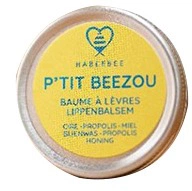
Pregnancy-safe products containing propolis extract
uncategorized
Pranarôm
Pranarôm Science Aromaforce Spray Nasal 15ML
99/100
HABEEBEE
HABEEBEE Lip Balm
99/100
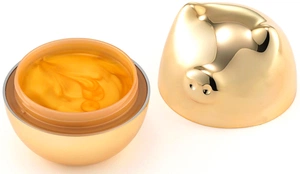
TonyMoly
TonyMoly Golden Pig Collagen Bounce Mask
98/100
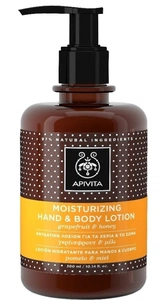
Apivita
Apivita Moisturizing Hand And Body Lotion
98/100
Numbuzin
numbuzin No. 4 Honey Glow Propolis Serum
98/100
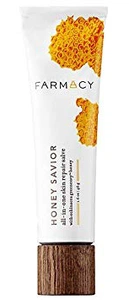
Farmacy
Farmacy Honey Savior All-In-One Skin Repair Salve With Echinacea Greenenvy™ Honey
98/100
VT
VT Cica Collagen Capsule Mask - 7.5g x 10pcs
98/100
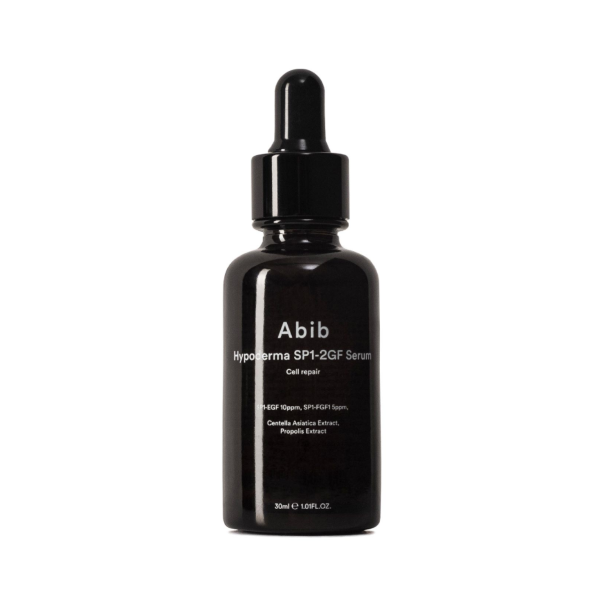
Abib
Abib Hypoderma SP1-2GF Serum Cell Repair - 30ml
98/100
BONAJOUR
BONAJOUR Royal Honey Lip Essence
98/100
Olivier Soaps
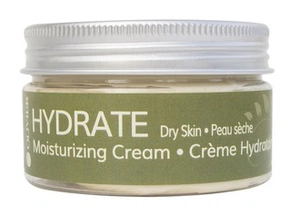
Olivier Soaps Hydrate Moisturizing Cream
98/100
Related ingredients
Ver también
Sources & references
Authoritative references used to score this ingredient.
Frequently asked questions
- ¿Es propolis extract seguro durante el embarazo?
- No harmonised CLP reproductive classification exists for propolis extract (ECHA Annex VI). Regulatory safety reviews and databases (CosIng, PubChem) and the peer‑reviewed literature do not identify consistent animal or human reproductive toxicity or teratogenicity for propolis as used topically. Topical cosmetic exposure can give low but potentially measurable systemic exposure for complex botanical extracts, so exposure is scored as low (e=1). Sources: ECHA Annex VI (no harmonised classification), CosIng, PubChem, PubMed literature reviews (no reproductive toxicity signal).
- ¿Es propolis extract seguro durante la lactancia?
- No evidence of reproductive or lactation-specific toxicity or published data demonstrating transfer into human milk. Topical application may result in low systemic absorption; therefore exposure for a breastfeeding parent is scored as low (e=1). Sources: PubMed (no lactation/toxicokinetic signal), CosIng, PubChem, absence of harmonised classification in ECHA Annex VI.
- ¿Es propolis extract seguro para la piel del bebé?
- No infant-specific reproductive or developmental toxicity data identified. However, infant skin has higher permeability and surface‑area‑to‑weight, and topical application of propolis can cause contact allergy in sensitised individuals (documented in case reports), so exposure is increased by +1 (adult e=1 → infant e=2). No evidence justifying increased hazard or mechanistic reproductive concern in infants. Sources: PubMed case reports on dermatitis and sensitisation to propolis; CosIng; PubChem; ECHA (no harmonised repro classification).
- ¿Cómo puntúa VeriMom a propolis extract?
- VeriMom puntúa propolis extract en 93/100 (sin riesgos conocidos) según el estado EU CosIng, clasificaciones ECHA y estudios PubMed.
- ¿Cuáles son las alternativas seguras a propolis extract en el embarazo?
- Consulta nuestra lista de alternativas seguras a propolis extract según función similar y clasificación sin riesgos conocidos.
Revisa tus propios cosméticos
Pega la lista de ingredientes de cualquier producto en nuestro verificador gratuito y mira cada ingrediente evaluado con datos regulatorios de la UE e investigación revisada por pares.
Abrir el verificador de ingredientes seguros en el embarazoComprueba cualquier etiqueta en 2 segundos
Descarga VeriMom gratis — escanea cualquier producto y ve la puntuación de seguridad en el embarazo al instante.
Aviso Médico
Esta información es solo para fines educativos y no constituye asesoramiento médico. Las puntuaciones de seguridad se basan en datos disponibles públicamente y pueden no reflejar todos los riesgos. Siempre consulte a su profesional de salud antes de usar cualquier producto durante el embarazo o la lactancia.