 VeriMom
¿Es polyquaternium-80 seguro durante el embarazo?
Reviewed by VeriMom Editorial Team · Last reviewed
Ingredientes
polyquaternium-80
SIN RIESGOS CONOCIDOS100
/100
0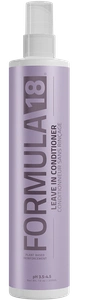
Pregnancy-safe products containing polyquaternium-80
Formula 18
Formula 18 Leave In Conditioner
99/100
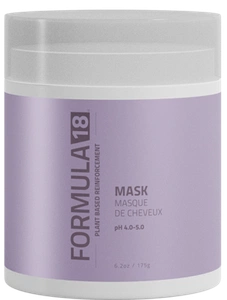
Formula 18
Formula 18 F18 Mask
99/100
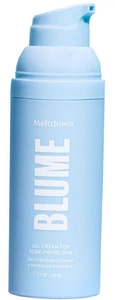
Blume
Blume Meltdown Gel Cream For Acne-prone Skin
98/100
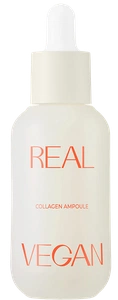
KLAVUU
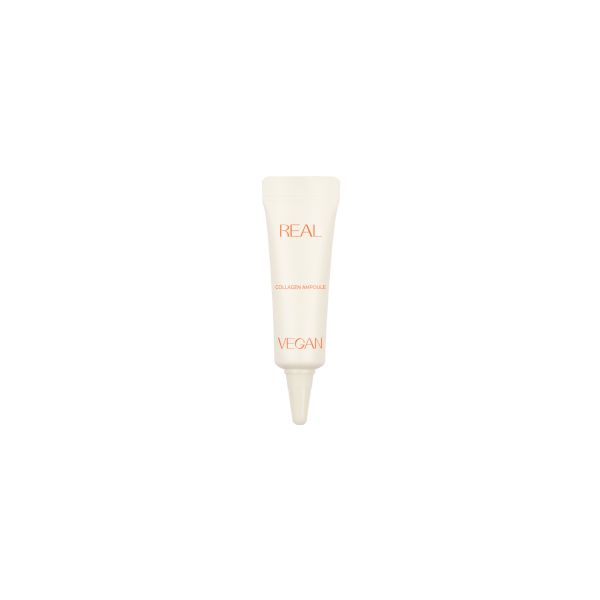
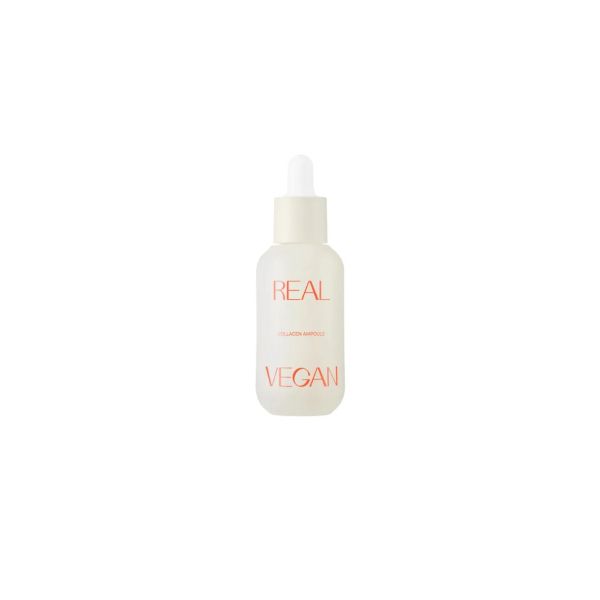
KLAVUU Real Vegan Collagen Ampoule
98/100
KLAVUU
KLAVUU Real Vegan Collagen Ampoule - 5ml
98/100
Hero Cosmetics
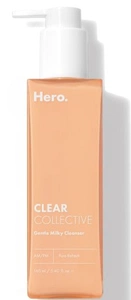
Hero Cosmetics Gentle Milky Cleanser
98/100
Ceramedx
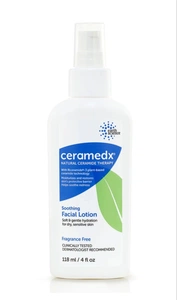
Ceramedx Soothing Facial Lotion
98/100
KLAVUU
KLAVUU Real Vegan Collagen Ampoule - 30ml
98/100
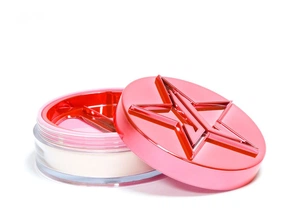
Jeffree Star
Jeffree Star Magic Star Setting Powder Shade Fair
98/100
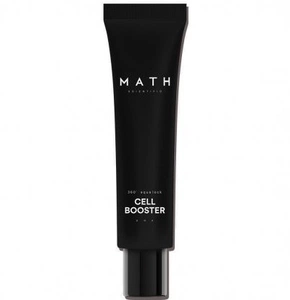
MATH scientific
MATH scientific Moisturising Cream With Peptides Cell Booster
98/100
Related ingredients
Ver también
Sources & references
Authoritative references used to score this ingredient.
Frequently asked questions
- ¿Es polyquaternium-80 seguro durante el embarazo?
- No harmonised CLP classification or SCCS/CIR reproductive safety flags were identified for polyquaternium-80; available regulatory/ingredient databases (CosIng, PubChem, ECHA entries) and the lack of peer‑reviewed reproductive toxicity reports indicate no evidence of reproductive hazard for topical cosmetic use. Polymethacrylate/quaternary ammonium conditioning polymers are high‑molecular‑weight and generally have negligible dermal absorption, supporting minimal systemic exposure during pregnancy (CosIng, PubChem, ECHA).
- ¿Es polyquaternium-80 seguro durante la lactancia?
- No data or regulatory warnings indicate effects on lactation or milk transfer; with no harmonised classification and no reported reproductive/endocrine activity in literature or regulatory dossiers, risk via topical cosmetic use is not indicated. High molecular weight quaternary polymers are not expected to be systemically bioavailable to a degree likely to reach breastmilk (CosIng, PubChem, ECHA).
- ¿Es polyquaternium-80 seguro para la piel del bebé?
- No infant‑specific safety signals or regulatory restrictions were found. Polyquaternium‑type polymers are large, water‑soluble conditioning agents with low dermal penetration; therefore infant exposure from typical rinse‑off or leave‑on cosmetic formulations is expected to be negligible and no baby‑specific reproductive mechanism is identified (CosIng, ECHA).
- ¿Cómo puntúa VeriMom a polyquaternium-80?
- VeriMom puntúa polyquaternium-80 en 100/100 (sin riesgos conocidos) según el estado EU CosIng, clasificaciones ECHA y estudios PubMed.
- ¿Cuáles son las alternativas seguras a polyquaternium-80 en el embarazo?
- Consulta nuestra lista de alternativas seguras a polyquaternium-80 según función similar y clasificación sin riesgos conocidos.
Revisa tus propios cosméticos
Pega la lista de ingredientes de cualquier producto en nuestro verificador gratuito y mira cada ingrediente evaluado con datos regulatorios de la UE e investigación revisada por pares.
Abrir el verificador de ingredientes seguros en el embarazoComprueba cualquier etiqueta en 2 segundos
Descarga VeriMom gratis — escanea cualquier producto y ve la puntuación de seguridad en el embarazo al instante.
Aviso Médico
Esta información es solo para fines educativos y no constituye asesoramiento médico. Las puntuaciones de seguridad se basan en datos disponibles públicamente y pueden no reflejar todos los riesgos. Siempre consulte a su profesional de salud antes de usar cualquier producto durante el embarazo o la lactancia.