 VeriMom
¿Es polyquaternium-51 seguro durante el embarazo?
Reviewed by VeriMom Editorial Team · Last reviewed
Ingredientes
polyquaternium-51
SIN RIESGOS CONOCIDOS100
/100
0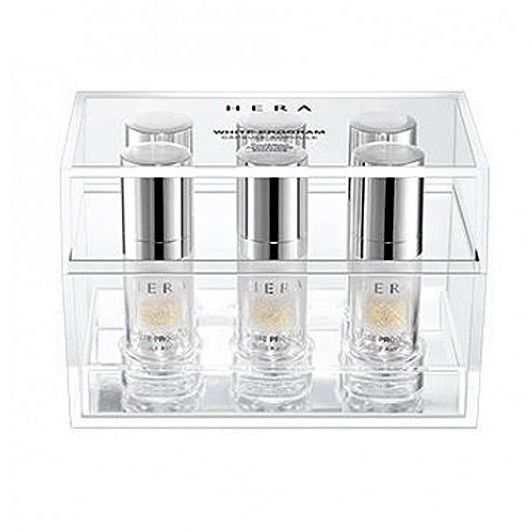
Pregnancy-safe products containing polyquaternium-51
Hera
HERA White Program Capsule Ampoule - 1pack - 6pc
99/100
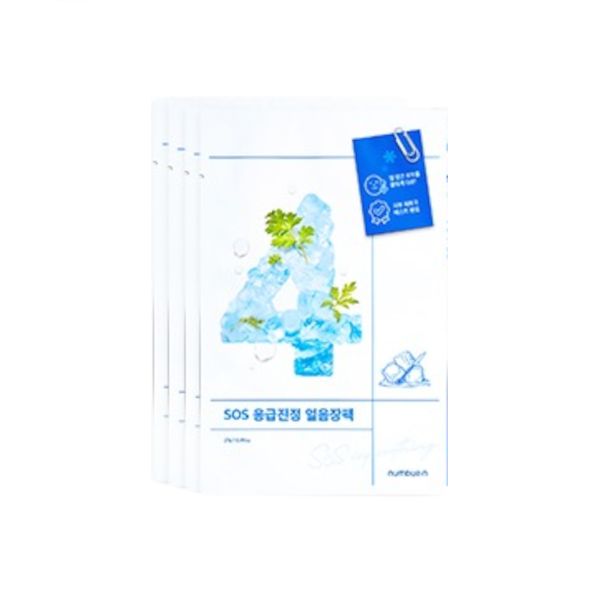
numbuzin No.4 Icy Soothing Sheet Mask - 27g*4ea
99/100
Rohto Mentholatum AD Lotion - 200g
99/100
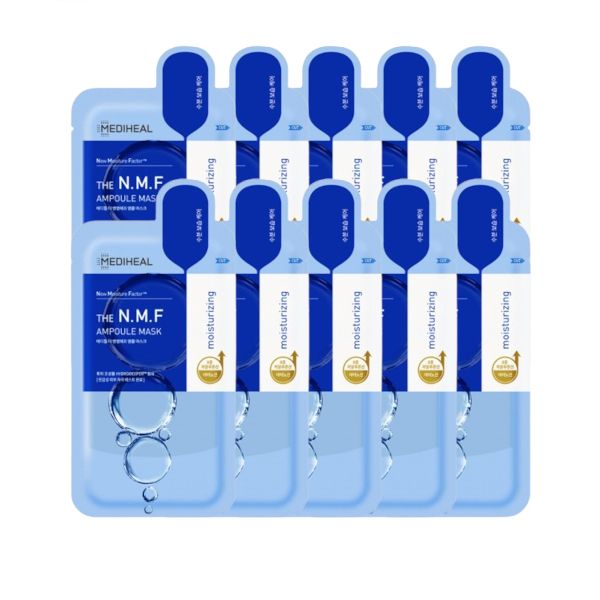
Mediheal The N.M.F Ampoule Mask - 10pc
99/100
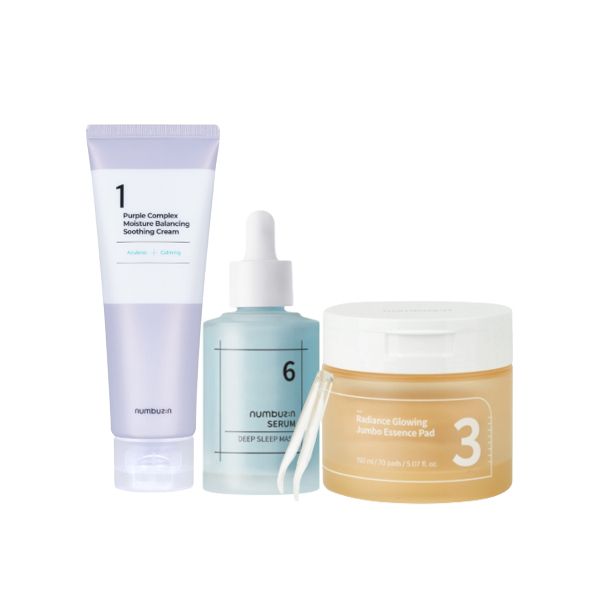
Numbuzin
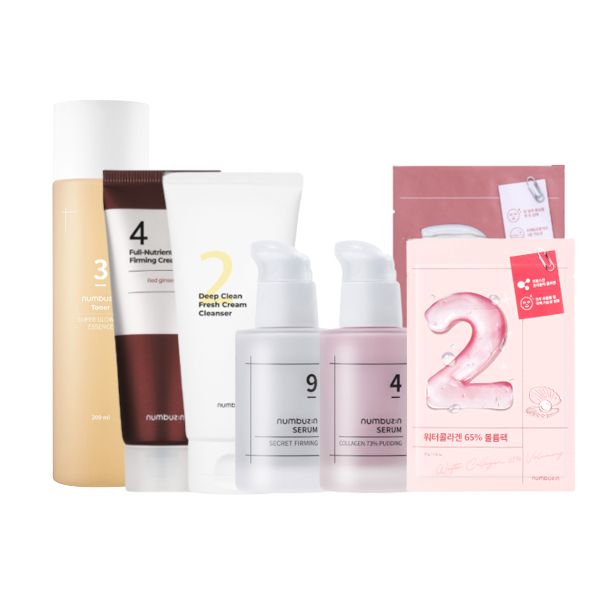
numbuzin anti-aging Skincare Set
99/100
IOPE
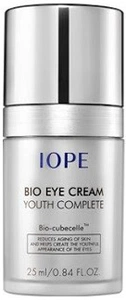
IOPE Bio Eye Cream Youth Complete
99/100
Mediheal
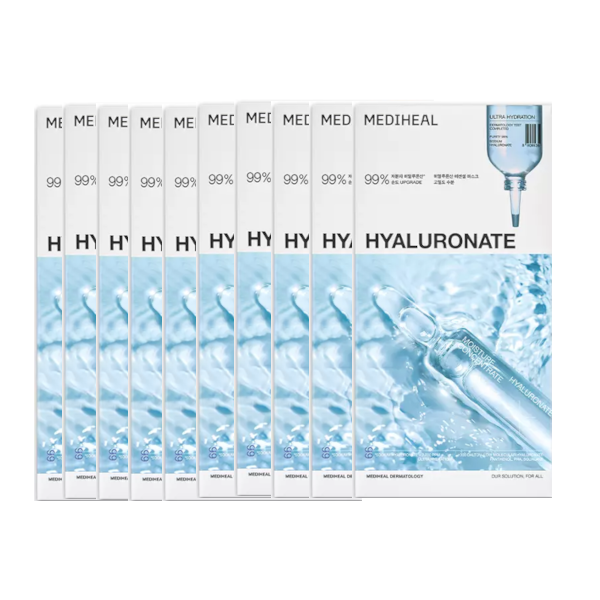
Mediheal Hyaluronate Essential Mask Sheet - 10pcs
99/100
Numbuzin
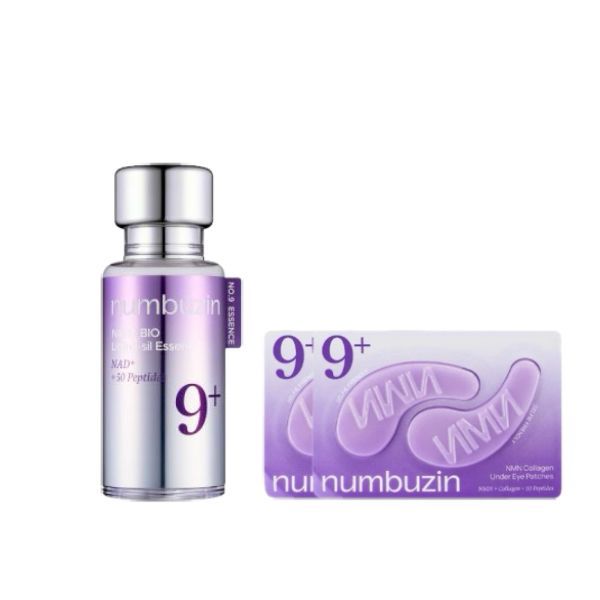
numbuzin No.9 NAD+ BIO Lifting-sil Essence - 30ml (1ea) & NAD+ Collagen Under Eye Patches - 2ea Set
99/100
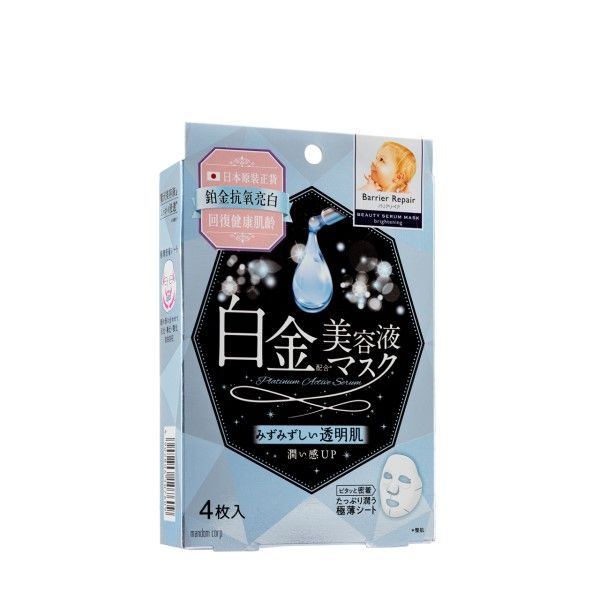
Mandom
Mandom Barrier Repair Beauty Serum Mask - Brightening - 4pcs
99/100
Numbuzin
numbuzin Dry Skincare Set A
99/100
Related ingredients
Ver también
Sources & references
Authoritative references used to score this ingredient.
Frequently asked questions
- ¿Es polyquaternium-51 seguro durante el embarazo?
- No harmonised CLP reproductive classifications or SCCS/CIR safety findings were identified for polyquaternium‑51; it is a high‑molecular‑weight quaternary ammonium polymer with no published reproductive toxicity or teratogenicity data in the regulatory/authoritative sources checked (ECHA Annex VI, PubChem, CosIng). Polymers of this type are generally poorly absorbed dermally, so topical maternal exposure is expected to be negligible.
- ¿Es polyquaternium-51 seguro durante la lactancia?
- No evidence of reproductive or lactation-specific toxicity or systemic maternal effects was identified in authoritative sources (no harmonised CLP, no SCCS/CIR assessment indicating hazard). Given the polymeric high‑MW nature and expected minimal dermal absorption, transfer into breast milk is unlikely and exposure to nursing infants from topical maternal use is expected to be negligible.
- ¿Es polyquaternium-51 seguro para la piel del bebé?
- No infant‑specific reproductive or developmental hazards were identified. Polyquaternium‑51 is a high‑molecular‑weight polymer with low expected systemic absorption; however, immature infant skin has higher permeability, so dermal exposure for babies (0–3 yr) is considered low but measurable (adult exposure scored 0 → infant exposure scored +1). No studies were found that demonstrate placental transfer, endocrine activity, or infant toxicity.
- ¿Cómo puntúa VeriMom a polyquaternium-51?
- VeriMom puntúa polyquaternium-51 en 100/100 (sin riesgos conocidos) según el estado EU CosIng, clasificaciones ECHA y estudios PubMed.
- ¿Cuáles son las alternativas seguras a polyquaternium-51 en el embarazo?
- Consulta nuestra lista de alternativas seguras a polyquaternium-51 según función similar y clasificación sin riesgos conocidos.
Revisa tus propios cosméticos
Pega la lista de ingredientes de cualquier producto en nuestro verificador gratuito y mira cada ingrediente evaluado con datos regulatorios de la UE e investigación revisada por pares.
Abrir el verificador de ingredientes seguros en el embarazoComprueba cualquier etiqueta en 2 segundos
Descarga VeriMom gratis — escanea cualquier producto y ve la puntuación de seguridad en el embarazo al instante.
Aviso Médico
Esta información es solo para fines educativos y no constituye asesoramiento médico. Las puntuaciones de seguridad se basan en datos disponibles públicamente y pueden no reflejar todos los riesgos. Siempre consulte a su profesional de salud antes de usar cualquier producto durante el embarazo o la lactancia.