 VeriMom
¿Es polylysine seguro durante el embarazo?
Reviewed by VeriMom Editorial Team · Last reviewed
Ingredientes
polylysine
SIN RIESGOS CONOCIDOS100
/100
0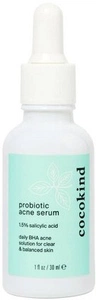
Pregnancy-safe products containing polylysine
cocokind
Cocokind Probiotic Acne Serum
99/100
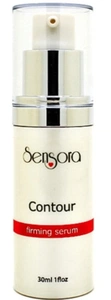
Sensora
Sensora Contour Serum – Jawline Remodelling
99/100
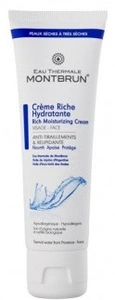
Eau Thermale Montbrun
Eau Thermale Montbrun Crème Riche Hydratante
99/100
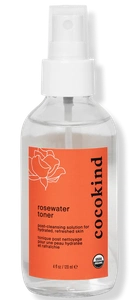
cocokind
Cocokind Rosewater Post Cleansing Toner Spray
99/100
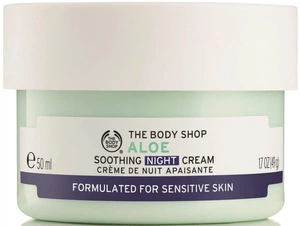
The Body Shop
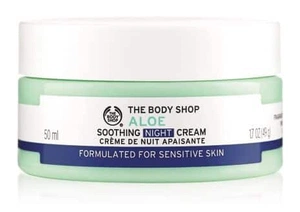
The Body Shop Soothing Night Cream Aloe
99/100
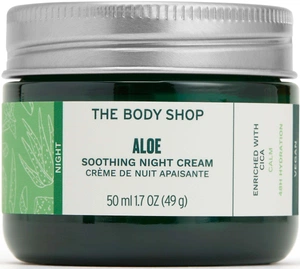
The Body Shop
The Body Shop Aloe Soothing Night Cream
98/100
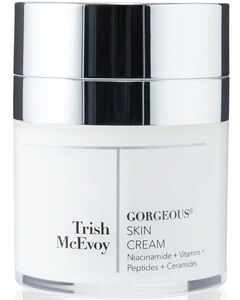
Trish McEvoy
Trish McEvoy Gorgeous Skin Cream
98/100
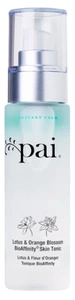
Pai
Pai Lotus & Orange Blossom Bioaffinity Toner
98/100
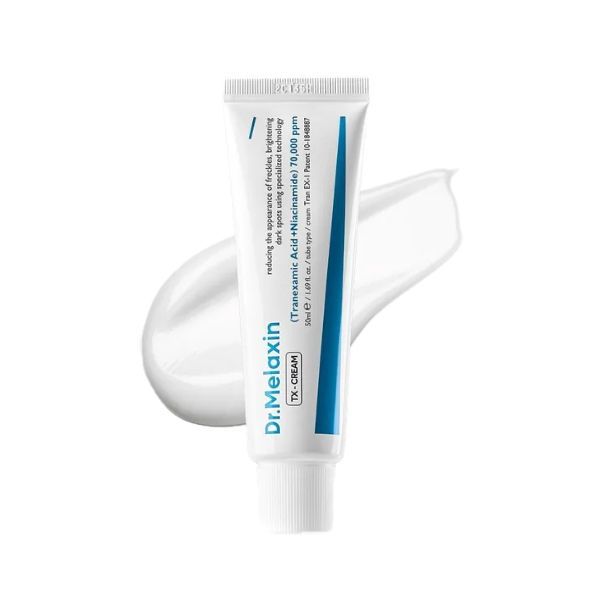
Dr. Melaxin TX Cream - 50ml
98/100
The Body Shop
The Body Shop Aloe Night Cream
98/100
Related ingredients
Ver también
Sources & references
Authoritative references used to score this ingredient.
Frequently asked questions
- ¿Es polylysine seguro durante el embarazo?
- No CIR or SCCS safety assessment or harmonised ECHA reproductive classification (H360/H361) was found for polylysine (CAS 25104-18-1). Available authoritative sources (ingredient databases and supplier/SDS records) list irritation endpoints but do not report reproductive or developmental toxicity; peer-reviewed literature does not provide evidence of reproductive hazard or well‑characterised placental transfer for this cosmetic ingredient. Therefore default scoring is 0/0/0. (See EWG, ChemBlink/SDS, supplier/product data, and a PubMed review of polypeptides/drug delivery indicating lack of reproductive/toxicology signals for polylysine used as a polymer).
- ¿Es polylysine seguro durante la lactancia?
- No data were found indicating transfer into breastmilk or demonstrated effects on lactation or nursing infants. High‑molecular‑weight, water‑soluble polymers such as polylysine are generally of low systemic absorption from skin, and no breastfeeding-specific hazard evidence was located, so default scoring is 0/0/0.
- ¿Es polylysine seguro para la piel del bebé?
- Hazard and mechanism scores remain 0 because no infant-specific reproductive/toxic evidence was found. Exposure (e) is increased to 1 for baby skin because infant skin has higher surface‑area‑to‑body‑weight and an immature barrier; while polylysine is a high‑MW, water‑soluble polymer (low dermal penetration expected), it is not completely non‑absorbable and measurable absorption cannot be fully excluded for very young skin, so e = 1 for 0–3 yr.
- ¿Cómo puntúa VeriMom a polylysine?
- VeriMom puntúa polylysine en 100/100 (sin riesgos conocidos) según el estado EU CosIng, clasificaciones ECHA y estudios PubMed.
- ¿Cuáles son las alternativas seguras a polylysine en el embarazo?
- Consulta nuestra lista de alternativas seguras a polylysine según función similar y clasificación sin riesgos conocidos.
Revisa tus propios cosméticos
Pega la lista de ingredientes de cualquier producto en nuestro verificador gratuito y mira cada ingrediente evaluado con datos regulatorios de la UE e investigación revisada por pares.
Abrir el verificador de ingredientes seguros en el embarazoComprueba cualquier etiqueta en 2 segundos
Descarga VeriMom gratis — escanea cualquier producto y ve la puntuación de seguridad en el embarazo al instante.
Aviso Médico
Esta información es solo para fines educativos y no constituye asesoramiento médico. Las puntuaciones de seguridad se basan en datos disponibles públicamente y pueden no reflejar todos los riesgos. Siempre consulte a su profesional de salud antes de usar cualquier producto durante el embarazo o la lactancia.