 VeriMom
¿Es polyglyceryl-3 polyricinoleate seguro durante el embarazo?
Reviewed by VeriMom Editorial Team · Last reviewed
Ingredientes
polyglyceryl-3 polyricinoleate
SIN RIESGOS CONOCIDOS100
/100
0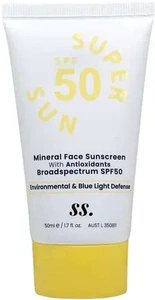
Pregnancy-safe products containing polyglyceryl-3 polyricinoleate
Sunny Skin
Sunny Skin Super Sun SPF50
100/100
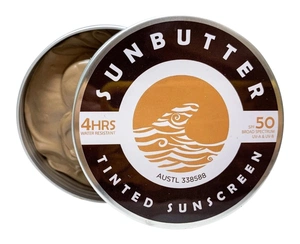
SunButter
SunButter SPF50 Tinted Sunscreen
100/100
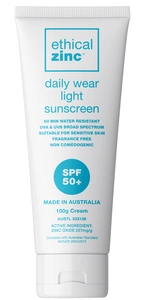
Ethical Zinc
Ethical Zinc Daily Wear Light Sunscreen Spf 50
100/100
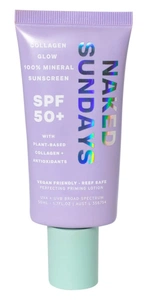
Naked Sundays
Naked Sundays SPF50+ Collagen Glow 100% Mineral Perfecting Priming Lotion
100/100
Supergoop!
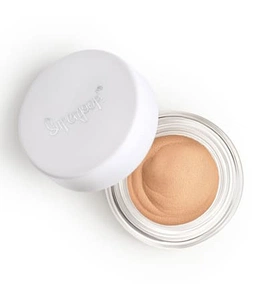
Supergoop! Shimmershade Illuminating Cream Eyeshadow Spf 30
100/100
Sunny Skin
Sunny Skin Super Sun SPF 50
100/100
MOTHERSPF
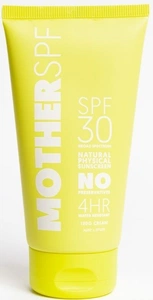
MOTHERSPF Face & Body SPF30
100/100
Ultra Violette
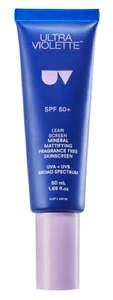
Ultra Violette Lean Screen SPF 50+
100/100
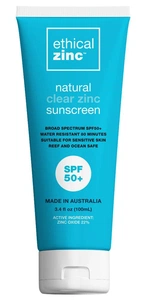
Ethical Zinc
Ethical Zinc Ethical Zinc SPF50+ Natural Clear Zinc Sunscreen
100/100
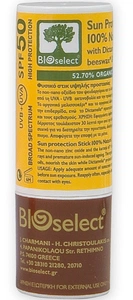
Bioselect
Bioselect Sunscreen Stick
100/100
Related ingredients
Ver también
Sources & references
Authoritative references used to score this ingredient.
Frequently asked questions
- ¿Es polyglyceryl-3 polyricinoleate seguro durante el embarazo?
- No harmonised ECHA reproductive classification was found and the Cosmetic Ingredient Review (CIR) monograph covering polyglyceryl fatty‑acid esters (which includes polyglyceryl‑3 ricinoleate / polyricinoleate CAS 29894‑35‑7) does not identify reproductive/developmental hazards and treats these esters as safe in cosmetic use. PubChem and regulatory substance records do not show H360/H361 style classifications. (CIR; ECHA; PubChem).
- ¿Es polyglyceryl-3 polyricinoleate seguro durante la lactancia?
- No data indicating breast‑milk transfer or breastfeeding hazards for the intact ester were identified in authoritative safety assessments. CIR concluded polyglyceryl esters are acceptable for cosmetic use, and EWG lists low concern for reproductive/developmental effects. No clinical human lactation studies were found. (CIR; EWG; PubChem).
- ¿Es polyglyceryl-3 polyricinoleate seguro para la piel del bebé?
- No evidence of developmental/reproductive hazard specific to infants; CIR assessment covers dermal cosmetic use and lists these esters in common topical products without reproductive flags. There were no quantitative dermal‑absorption data located showing significant systemic uptake; therefore no increase to exposure scoring was applied for infants. If future data show measurable percutaneous absorption, infant exposure should be reassessed. (CIR; PubChem).
- ¿Cómo puntúa VeriMom a polyglyceryl-3 polyricinoleate?
- VeriMom puntúa polyglyceryl-3 polyricinoleate en 100/100 (sin riesgos conocidos) según el estado EU CosIng, clasificaciones ECHA y estudios PubMed.
- ¿Cuáles son las alternativas seguras a polyglyceryl-3 polyricinoleate en el embarazo?
- Consulta nuestra lista de alternativas seguras a polyglyceryl-3 polyricinoleate según función similar y clasificación sin riesgos conocidos.
Revisa tus propios cosméticos
Pega la lista de ingredientes de cualquier producto en nuestro verificador gratuito y mira cada ingrediente evaluado con datos regulatorios de la UE e investigación revisada por pares.
Abrir el verificador de ingredientes seguros en el embarazoComprueba cualquier etiqueta en 2 segundos
Descarga VeriMom gratis — escanea cualquier producto y ve la puntuación de seguridad en el embarazo al instante.
Aviso Médico
Esta información es solo para fines educativos y no constituye asesoramiento médico. Las puntuaciones de seguridad se basan en datos disponibles públicamente y pueden no reflejar todos los riesgos. Siempre consulte a su profesional de salud antes de usar cualquier producto durante el embarazo o la lactancia.