 VeriMom
¿Es polyglyceryl-3 palmitate seguro durante el embarazo?
Reviewed by VeriMom Editorial Team · Last reviewed
Ingredientes
polyglyceryl-3 palmitate
SIN RIESGOS CONOCIDOS100
/100
0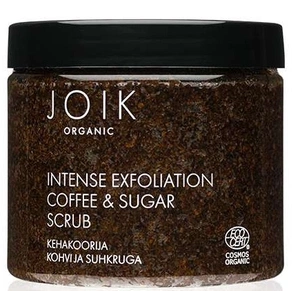
Pregnancy-safe products containing polyglyceryl-3 palmitate
Joik Organic
Joik Organic Intense Exfoliation Coffee & Sugar Scrub
99/100
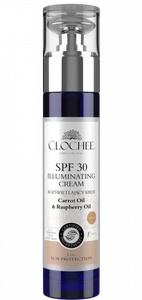
CLOCHEE
CLOCHEE Illuminating Cream SPF 30 Carrot Oil & Raspberry Oil
98/100
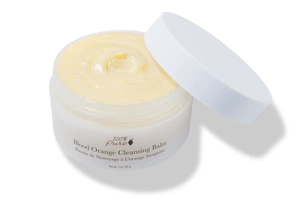
100% Pure
100% Pure Blood Orange Cleansing Balm
98/100
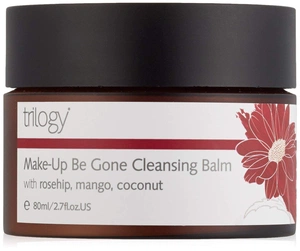
Trilogy
Trilogy Make-Up Be Gone Cleansing Balm
96/100
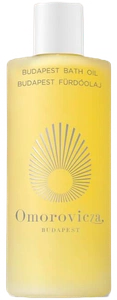
Omorovicza
Omorovicza Budapest Bath Oil
85/100
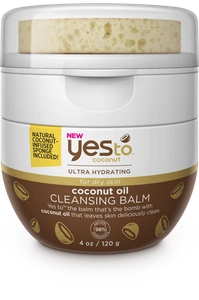
Yes to
Yes To Coconut Oil Cleansing Balm
84/100
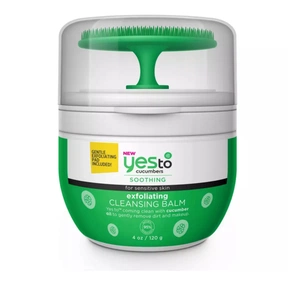
Yes to
Yes To Cucumbers Exfoliating Cleansing Balm
84/100
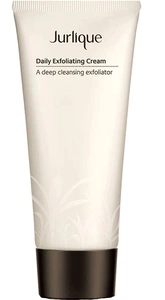
Jurlique
Jurlique Daily Exfoliating Cream
82/100
body-care
Unknown
yes to Cucumbers Exfoliating Cleansing Balm 120g
81/100
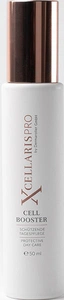
Xcellaris Pro
Xcellaris Pro Cell Booster
80/100
Related ingredients
Ver también
Sources & references
Authoritative references used to score this ingredient.
Frequently asked questions
- ¿Es polyglyceryl-3 palmitate seguro durante el embarazo?
- No harmonised CLP reproductive classification (no H360/H361) and no SCCS or CIR safety assessment flagging reproductive hazards. No peer‑reviewed reproductive or developmental toxicity studies identified for polyglyceryl‑3 palmitate; ingredient is a high‑MW non‑ionic emulsifier with low expected dermal penetration, so default hazard/mechanism scores are 0. Sources consulted: ECHA Annex VI (no harmonised classification), SCCS/CIR (no adverse opinions), PubMed (no reproductive studies), PubChem/CosIng (ingredient listing).
- ¿Es polyglyceryl-3 palmitate seguro durante la lactancia?
- Same justification as pregnancy: no reproductive or lactation‑related toxicity indication in regulatory or peer‑reviewed sources; expected low dermal/systemic availability from cosmetic topical use makes transfer to breast milk unlikely. Sources: CIR/SCCS (no concerns), PubChem, CosIng.
- ¿Es polyglyceryl-3 palmitate seguro para la piel del bebé?
- Hazard and mechanism remain 0 (no evidence of reproductive or developmental toxicity). Exposure is increased by one category for infants (e from 0→1) because infant skin has a less mature barrier and higher surface‑area‑to‑body‑weight, and although polyglyceryl‑3 palmitate is a large, lipophilic/non‑ionic emulsifier with low expected penetration in adults, measurable absorption in infants is plausible. Sources: CosIng (ingredient function), PubChem (physicochemical context), general dermal absorption principles for infant skin.
- ¿Cómo puntúa VeriMom a polyglyceryl-3 palmitate?
- VeriMom puntúa polyglyceryl-3 palmitate en 100/100 (sin riesgos conocidos) según el estado EU CosIng, clasificaciones ECHA y estudios PubMed.
- ¿Cuáles son las alternativas seguras a polyglyceryl-3 palmitate en el embarazo?
- Consulta nuestra lista de alternativas seguras a polyglyceryl-3 palmitate según función similar y clasificación sin riesgos conocidos.
Revisa tus propios cosméticos
Pega la lista de ingredientes de cualquier producto en nuestro verificador gratuito y mira cada ingrediente evaluado con datos regulatorios de la UE e investigación revisada por pares.
Abrir el verificador de ingredientes seguros en el embarazoComprueba cualquier etiqueta en 2 segundos
Descarga VeriMom gratis — escanea cualquier producto y ve la puntuación de seguridad en el embarazo al instante.
Aviso Médico
Esta información es solo para fines educativos y no constituye asesoramiento médico. Las puntuaciones de seguridad se basan en datos disponibles públicamente y pueden no reflejar todos los riesgos. Siempre consulte a su profesional de salud antes de usar cualquier producto durante el embarazo o la lactancia.