 VeriMom
¿Es polyglycerin-6 seguro durante el embarazo?
Reviewed by VeriMom Editorial Team · Last reviewed
Ingredientes
polyglycerin-6
SIN RIESGOS CONOCIDOS100
/100
0
Pregnancy-safe products containing polyglycerin-6
MOST
MOST Lip Lap
100/100
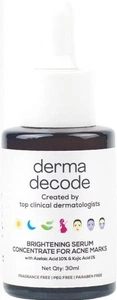
Derma Decode
Derma Decode 1% Kojic Acid 10% Azelaic Acid Brightening Serum
99/100
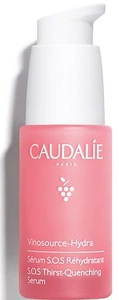
CAUDALIE
Caudalie Vinosource-Hydra Moisturizing Mask
99/100
moisturizers
Dior
Trousse Capture Totale - 3 produits soin fermeté - Coffret 3 produits
98/100
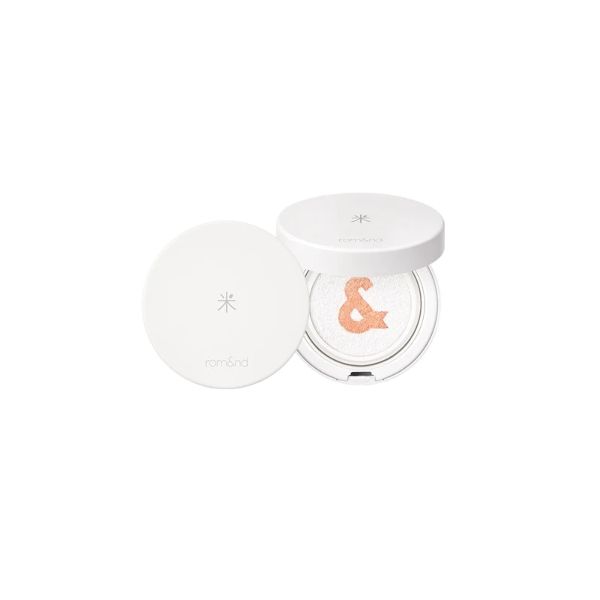
Rom&nd Back Me Tone Up Sun Cushion - 11g
98/100
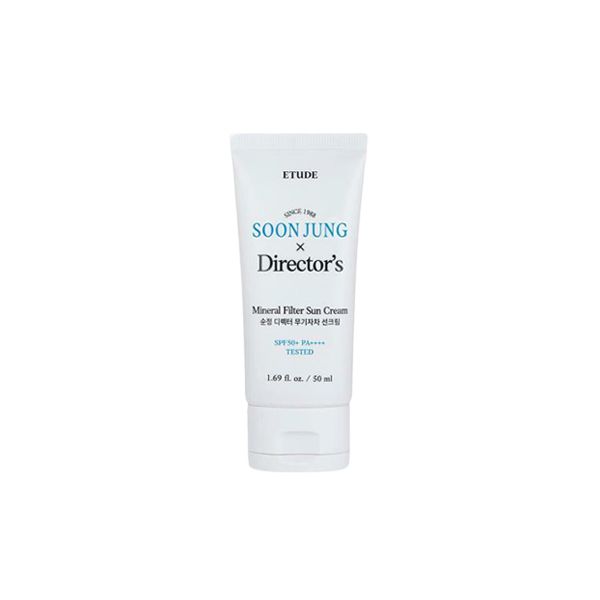
ETUDE Soon Jung X Director's Mineral Filter Sun Cream SPF50+ PA++++ - 50ml
98/100
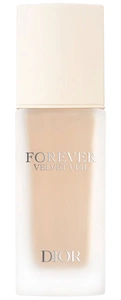
Dior
Dior Forever Velvet Veil Matte Primer
98/100
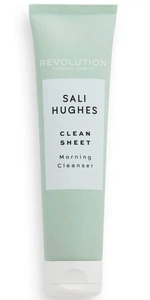
Revolution Skincare
Revolution Skincare x Sali Hughes Clean Sheet Morning Cleanser
98/100
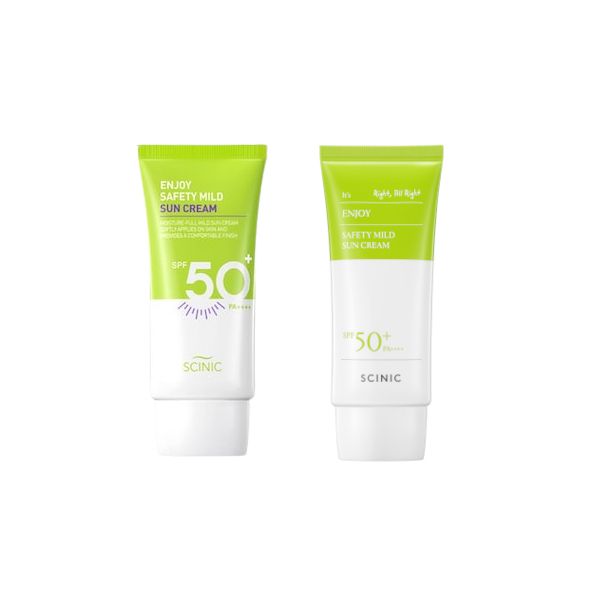
Scinic
SCINIC Enjoy Safety Mild Sun Cream SPF50+ PA++++ - 50g
98/100
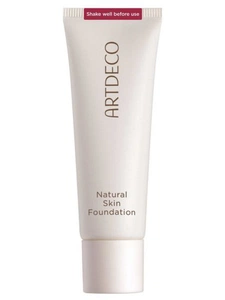
ARTDECO
ArtDeco Natural Skin Foundation
98/100
Related ingredients
Ver también
Sources & references
Authoritative references used to score this ingredient.
Frequently asked questions
- ¿Es polyglycerin-6 seguro durante el embarazo?
- No harmonised CLP reproductive classification found and the Cosmetic Ingredient Review (CIR) recent safety assessment of diglycerin and polyglycerins (including polyglycerin‑3, -6, -10) concluded these polyglycerins are safe as used in cosmetics; no animal or human reproductive/toxicology signals or SCCS/ECHA harmonised H361/H360 flags were identified in the reviewed sources. ([cir-safety.org](https://www.cir-safety.org/panelbook/safety-assessment-diglycerin-and-polyglycerin-3-6-and-10-used-cosmetics?utm_source=openai))
- ¿Es polyglycerin-6 seguro durante la lactancia?
- Same basis as pregnancy: authoritative cosmetic safety review (CIR) covers polyglycerins and finds no reproductive/lactation hazards at cosmetic use; no peer‑reviewed reports of effects on lactation or breastmilk transfer were found in PubMed/ECHA registration summaries. ([cir-safety.org](https://www.cir-safety.org/panelbook/safety-assessment-diglycerin-and-polyglycerin-3-6-and-10-used-cosmetics?utm_source=openai))
- ¿Es polyglycerin-6 seguro para la piel del bebé?
- No evidence of reproductive or developmental toxicity specific to infants; mechanism score remains 0 because no placental/infant‑specific mechanistic data were found. Exposure score raised to 1 for baby skin because polyglycerin‑6 is a water‑soluble humectant/polyol (larger glycerin polymer) with documented topical cosmetic use and measurable skin activity (humectant) — infant skin has higher absorption potential versus adults, so exposure is increased by +1 per instructions even though adult absorption is low. CIR and PubChem describe cosmetic use and chemistry. ([cir-safety.org](https://www.cir-safety.org/panelbook/safety-assessment-diglycerin-and-polyglycerin-3-6-and-10-used-cosmetics?utm_source=openai))
- ¿Cómo puntúa VeriMom a polyglycerin-6?
- VeriMom puntúa polyglycerin-6 en 100/100 (sin riesgos conocidos) según el estado EU CosIng, clasificaciones ECHA y estudios PubMed.
- ¿Cuáles son las alternativas seguras a polyglycerin-6 en el embarazo?
- Consulta nuestra lista de alternativas seguras a polyglycerin-6 según función similar y clasificación sin riesgos conocidos.
Revisa tus propios cosméticos
Pega la lista de ingredientes de cualquier producto en nuestro verificador gratuito y mira cada ingrediente evaluado con datos regulatorios de la UE e investigación revisada por pares.
Abrir el verificador de ingredientes seguros en el embarazoComprueba cualquier etiqueta en 2 segundos
Descarga VeriMom gratis — escanea cualquier producto y ve la puntuación de seguridad en el embarazo al instante.
Aviso Médico
Esta información es solo para fines educativos y no constituye asesoramiento médico. Las puntuaciones de seguridad se basan en datos disponibles públicamente y pueden no reflejar todos los riesgos. Siempre consulte a su profesional de salud antes de usar cualquier producto durante el embarazo o la lactancia.