 VeriMom
¿Es placental extract seguro durante el embarazo?
No harmonised CLP reproductive classification (ECHA Annex VI) or SCCS/CIR reproductive safety conclusion specific to 'placental extract' indicating a developmental/teratogenic hazard. Peer‑reviewed literature reports biological activity of placental extracts (growth factors, hormones) but does not provide consistent in vivo evidence of teratogenicity at cosmetic topical exposures; therefore default hazard and mechanism scores are 0. Topical systemic absorption of large peptides/proteins from intact adult skin is expected to be negligible for cosmetics, so exposure scored 0 (sources: ECHA Annex VI — no harmonised classification; CIR/SCCS — no specific unsafe finding; PubMed general literature on placental extracts; CosIng entry).
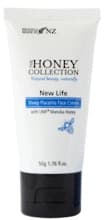
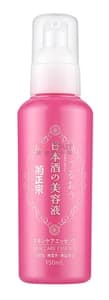
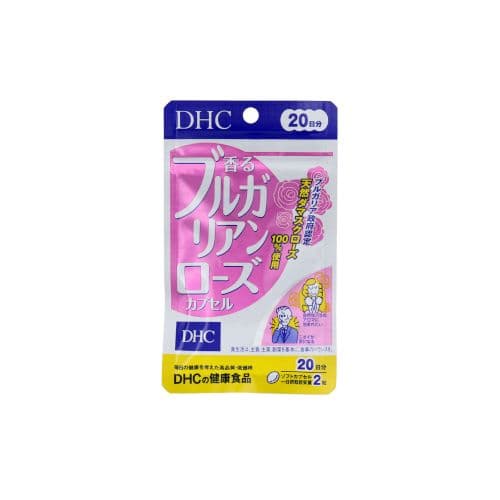
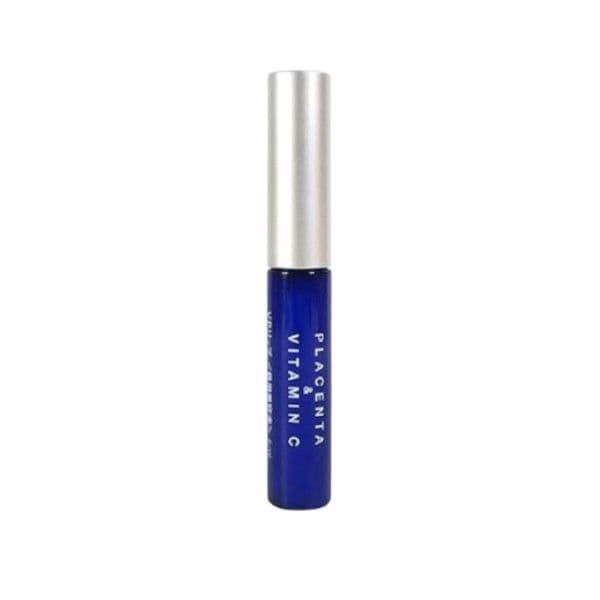
Pregnancy-safe products containing placental extract



Related ingredients
Frequently asked questions
- ¿Es placental extract seguro durante el embarazo?
- No harmonised CLP reproductive classification (ECHA Annex VI) or SCCS/CIR reproductive safety conclusion specific to 'placental extract' indicating a developmental/teratogenic hazard. Peer‑reviewed literature reports biological activity of placental extracts (growth factors, hormones) but does not provide consistent in vivo evidence of teratogenicity at cosmetic topical exposures; therefore default hazard and mechanism scores are 0. Topical systemic absorption of large peptides/proteins from intact adult skin is expected to be negligible for cosmetics, so exposure scored 0 (sources: ECHA Annex VI — no harmonised classification; CIR/SCCS — no specific unsafe finding; PubMed general literature on placental extracts; CosIng entry).
- ¿Es placental extract seguro durante la lactancia?
- No evidence of reproductive/lactation hazard or harmonised classification. Because topical systemic absorption in adults is expected to be negligible for placental extracts (large peptides/proteins), milk transfer is unlikely at cosmetic exposures; thus hazard and mechanism 0 and exposure 0 (sources: same as pregnancy: ECHA Annex VI, CIR/SCCS absence of adverse classification, PubMed/CosIng).
- ¿Es placental extract seguro para la piel del bebé?
- No infant‑specific reproductive or developmental hazard data identified; no harmonised classification or SCCS/CIR contraindication specific to infants. Mechanistic concerns not demonstrated for infant outcomes, so h and m remain 0. Exposure increased to 1 because infant skin has higher permeability and immature barrier function; while adult dermal absorption of placental extract peptides/proteins is negligible, a precautionary small increase in exposure score for 0–3 yr skin is applied (sources: general PubMed literature on placental extract composition and skin barrier physiology; CosIng; absence of ECHA harmonised CLP classification).
- ¿Cómo puntúa VeriMom a placental extract?
- VeriMom puntúa placental extract en 100/100 (sin riesgos conocidos) según el estado EU CosIng, clasificaciones ECHA y estudios PubMed.
- ¿Cuáles son las alternativas seguras a placental extract en el embarazo?
- Consulta nuestra lista de alternativas seguras a placental extract según función similar y clasificación sin riesgos conocidos.
Comprueba cualquier etiqueta en 2 segundos
Descarga VeriMom gratis — escanea cualquier producto y ve la puntuación de seguridad en el embarazo al instante.
Aviso Médico
Esta información es solo para fines educativos y no constituye asesoramiento médico. Las puntuaciones de seguridad se basan en datos disponibles públicamente y pueden no reflejar todos los riesgos. Siempre consulte a su profesional de salud antes de usar cualquier producto durante el embarazo o la lactancia.