 VeriMom
¿Es pinus pinaster bark/bud extract seguro durante el embarazo?
No harmonised CLP reproductive classification (ECHA Annex VI) or CIR/SCCS adverse finding for Pinus pinaster bark/bud extract; peer‑review literature does not identify teratogenicity or consistent reproductive toxicity for pine bark extracts (e.g., maritime pine/Pycnogenol) when used at typical doses. Topical cosmetic use is expected to have negligible dermal systemic absorption for these high‑molecular‑weight polyphenolic extracts, so systemic exposure in pregnancy is unlikely (sources: ECHA Annex VI no harmonised classification; CosIng/PubChem ingredient records; peer‑reviewed literature on Pycnogenol lacking reproductive hazard).
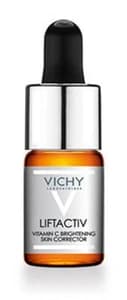
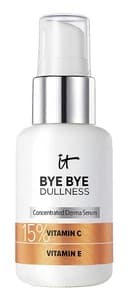
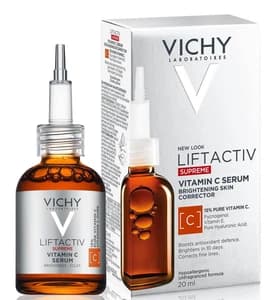
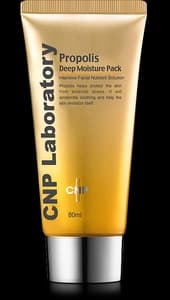
Pregnancy-safe products containing pinus pinaster bark/bud extract



Related ingredients
Frequently asked questions
- ¿Es pinus pinaster bark/bud extract seguro durante el embarazo?
- No harmonised CLP reproductive classification (ECHA Annex VI) or CIR/SCCS adverse finding for Pinus pinaster bark/bud extract; peer‑review literature does not identify teratogenicity or consistent reproductive toxicity for pine bark extracts (e.g., maritime pine/Pycnogenol) when used at typical doses. Topical cosmetic use is expected to have negligible dermal systemic absorption for these high‑molecular‑weight polyphenolic extracts, so systemic exposure in pregnancy is unlikely (sources: ECHA Annex VI no harmonised classification; CosIng/PubChem ingredient records; peer‑reviewed literature on Pycnogenol lacking reproductive hazard).
- ¿Es pinus pinaster bark/bud extract seguro durante la lactancia?
- No evidence of reproductive or lactation‑related hazard or harmonised classification. Given negligible dermal absorption from topical cosmetic use, transfer into breastmilk is unlikely; no specific studies indicate risk to nursing infants (sources: CosIng/PubChem, PubMed literature reviews; absence in ECHA Annex VI/CIR/SCCS lists).
- ¿Es pinus pinaster bark/bud extract seguro para la piel del bebé?
- No evidence of developmental/infant-specific toxicity. Mechanistic concerns absent. However, infant skin has a less mature barrier and higher surface‑area‑to‑weight ratio, so potential dermal exposure is higher than in adults; for an ingredient with measurable (though limited) potential for absorption, exposure scoring increased by +1 for 0–3 yr skin (sources: general toxicological principles; CosIng/PubChem; peer literature on dermal absorption of plant polyphenols).
- ¿Cómo puntúa VeriMom a pinus pinaster bark/bud extract?
- VeriMom puntúa pinus pinaster bark/bud extract en 100/100 (sin riesgos conocidos) según el estado EU CosIng, clasificaciones ECHA y estudios PubMed.
- ¿Cuáles son las alternativas seguras a pinus pinaster bark/bud extract en el embarazo?
- Consulta nuestra lista de alternativas seguras a pinus pinaster bark/bud extract según función similar y clasificación sin riesgos conocidos.
Comprueba cualquier etiqueta en 2 segundos
Descarga VeriMom gratis — escanea cualquier producto y ve la puntuación de seguridad en el embarazo al instante.
Aviso Médico
Esta información es solo para fines educativos y no constituye asesoramiento médico. Las puntuaciones de seguridad se basan en datos disponibles públicamente y pueden no reflejar todos los riesgos. Siempre consulte a su profesional de salud antes de usar cualquier producto durante el embarazo o la lactancia.