 VeriMom
¿Es pei-10 seguro durante el embarazo?
Reviewed by VeriMom Editorial Team · Last reviewed
Ingredientes
pei-10
SIN RIESGOS CONOCIDOS100
/100
0
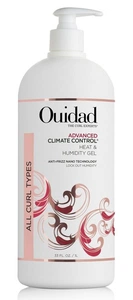
Pregnancy-safe products containing pei-10
Nabla
Nabla Close-Up Smoothing Pressed Powder
99/100
BOBBI BROWN
Bobbi Brown Sheer Finish Loose Powder
99/100
Charlotte Tilbury
Charlotte Tilbury Airbrush Flawless Finish
98/100
Natural Mojo
Skin beauty
86/100
Ouidad
Ouidad Advanced Climate Control® Defrizzing Shampoo
84/100
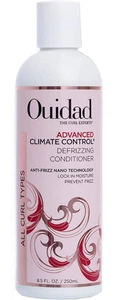
Ouidad
Ouidad Advanced Climate Control Defrizzing Conditioner
83/100
Related ingredients
Ver también
Sources & references
Authoritative references used to score this ingredient.
Frequently asked questions
- ¿Es pei-10 seguro durante el embarazo?
- No harmonised CLP reproductive classification (ECHA substance page lists polyethyleneimine CAS 9002-98-6 without an Annex VI harmonised H360/H361), no SCCS or CIR reproductive/safety assessment located, and the peer‑reviewed literature does not report human teratogenicity or developmental effects from topical cosmetic use of high‑MW PEI. SDS entries note skin irritation/sensitisation but not reproductive hazards. (Sources: ECHA substance info; EWG Skin Deep; product SDS and PubMed literature.)
- ¿Es pei-10 seguro durante la lactancia?
- No evidence found that polyethyleneimine (PEI-10) is a known lactation/transfer hazard or causes reproductive/developmental effects via breastmilk; no authoritative reproductive/cosmetic panel (CIR/SCCS/harmonised CLP) flagging. Dermal use of high‑MW polymers is generally associated with negligible systemic uptake. (Sources: ECHA; EWG; SDS; PubMed searches.)
- ¿Es pei-10 seguro para la piel del bebé?
- Hazard and mechanism: no infant‑specific reproductive/toxicology data indicating increased hazard, so h/m default to 0. Exposure: increased to 1 because infant skin has a less mature barrier and polymers with measurable skin interaction/irritancy (SDS report skin irritation/sensitisation) could lead to low but measurable exposure in infants compared with adults. No studies show systemic developmental harm from topical PEI. (Sources: SDS, EWG, PubMed papers on PEI toxicity limited to in vitro/route‑specific studies.)
- ¿Cómo puntúa VeriMom a pei-10?
- VeriMom puntúa pei-10 en 100/100 (sin riesgos conocidos) según el estado EU CosIng, clasificaciones ECHA y estudios PubMed.
- ¿Cuáles son las alternativas seguras a pei-10 en el embarazo?
- Consulta nuestra lista de alternativas seguras a pei-10 según función similar y clasificación sin riesgos conocidos.
Comprueba cualquier etiqueta en 2 segundos
Descarga VeriMom gratis — escanea cualquier producto y ve la puntuación de seguridad en el embarazo al instante.
Aviso Médico
Esta información es solo para fines educativos y no constituye asesoramiento médico. Las puntuaciones de seguridad se basan en datos disponibles públicamente y pueden no reflejar todos los riesgos. Siempre consulte a su profesional de salud antes de usar cualquier producto durante el embarazo o la lactancia.