 VeriMom
¿Es pectin seguro durante el embarazo?
Reviewed by VeriMom Editorial Team · Last reviewed
Ingredientes
pectin
SIN RIESGOS CONOCIDOS100
/100
0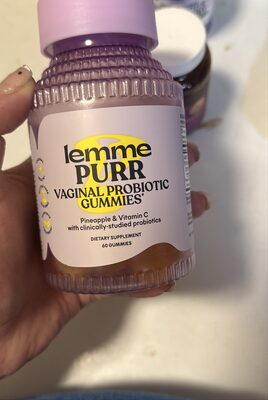
Pregnancy-safe products containing pectin
lemme
Vaginal Probiotic Gummies
100/100
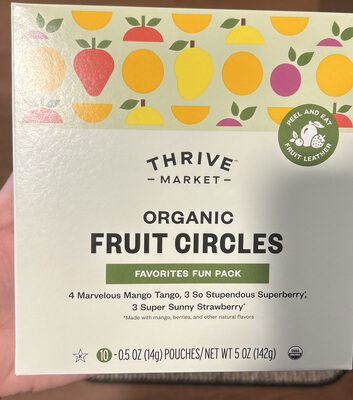
THRIVE MARKET
ORGANIC FRUIT CIRCLES
100/100
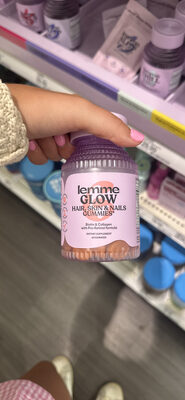
lemme
GLOW Hair, Skin & Nails Gummies
100/100
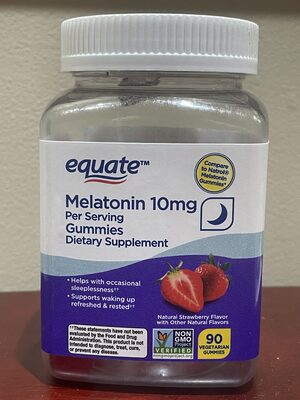
Equate
Melatonin Gummies
100/100
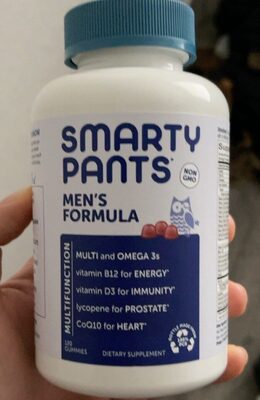
Smarty pants
Men's Multi & Omegas
100/100
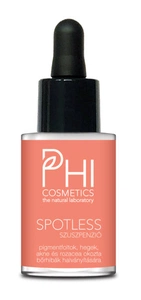
PHI Cosmetics
PHI Cosmetics Spotless Suspension
99/100
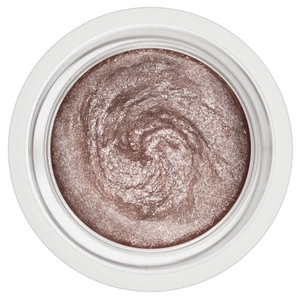
Iconic London
Iconic London Chrome Flash Eye Pots
99/100
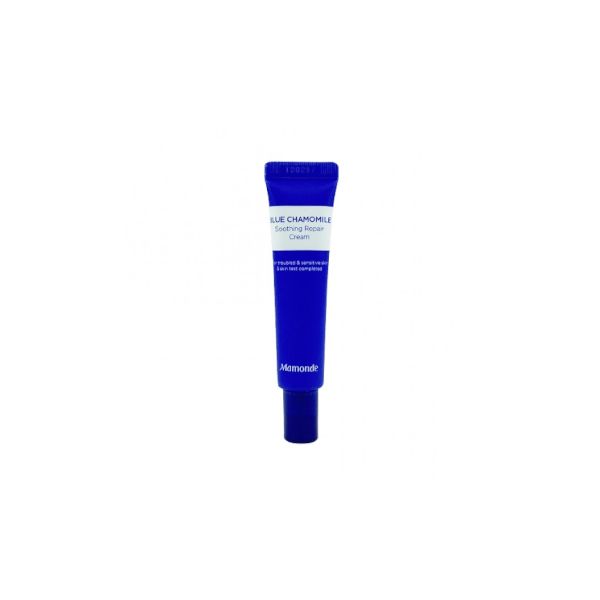
Mamonde
Mamonde Blue Chamomile Soothing Repair Cream - 15ml
98/100
Joico
Joico Weekend Hair Dry Shampoo
98/100
HighDroxy
HighDroxy Retinaid Forte
98/100
Related ingredients
Ver también
Sources & references
Authoritative references used to score this ingredient.
Frequently asked questions
- ¿Es pectin seguro durante el embarazo?
- Pectin (CAS 9000-69-5) is a high‑molecular‑weight plant polysaccharide used as a gelling/thickening agent. There is no harmonised CLP reproductive classification for pectin, no CIR or SCCS finding of reproductive hazard, and no credible animal or human evidence indicating teratogenicity or reproductive toxicity in the cosmetic context; dermal/topical absorption is negligible given its size and physicochemistry (supports low exposure from cosmetics). Sources reviewed: ECHA Annex VI (no harmonised classification), PubChem/CosIng, peer‑reviewed literature and EWG consensus of low hazard.
- ¿Es pectin seguro durante la lactancia?
- No evidence for reproductive or lactation toxicity from topical or dietary pectin at cosmetic exposure levels. Pectin is a widely used food additive (oral exposure) without signals for lactation‑related harm; topical absorption is negligible, so exposure to breast milk from maternal cosmetic topical use is not expected.
- ¿Es pectin seguro para la piel del bebé?
- Hazard and mechanism: no infant‑specific reproductive/toxic effects reported. Exposure: adult dermal absorption is negligible (e=0), but per infant adjustment rules the exposure score is increased by +1 because infant skin has higher surface‑area‑to‑weight and an immature barrier; however pectin’s high molecular weight and low skin penetration mean exposure remains low. No data indicate infant skin toxicity or sensitization at cosmetic use levels.
- ¿Cómo puntúa VeriMom a pectin?
- VeriMom puntúa pectin en 100/100 (sin riesgos conocidos) según el estado EU CosIng, clasificaciones ECHA y estudios PubMed.
- ¿Cuáles son las alternativas seguras a pectin en el embarazo?
- Consulta nuestra lista de alternativas seguras a pectin según función similar y clasificación sin riesgos conocidos.
Revisa tus propios cosméticos
Pega la lista de ingredientes de cualquier producto en nuestro verificador gratuito y mira cada ingrediente evaluado con datos regulatorios de la UE e investigación revisada por pares.
Abrir el verificador de ingredientes seguros en el embarazoComprueba cualquier etiqueta en 2 segundos
Descarga VeriMom gratis — escanea cualquier producto y ve la puntuación de seguridad en el embarazo al instante.
Aviso Médico
Esta información es solo para fines educativos y no constituye asesoramiento médico. Las puntuaciones de seguridad se basan en datos disponibles públicamente y pueden no reflejar todos los riesgos. Siempre consulte a su profesional de salud antes de usar cualquier producto durante el embarazo o la lactancia.