 VeriMom
¿Es naringenin seguro durante el embarazo?
Reviewed by VeriMom Editorial Team · Last reviewed
Ingredientes
naringenin
SIN RIESGOS CONOCIDOS93
/100
0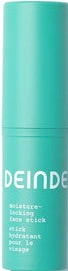
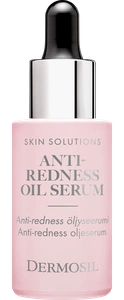
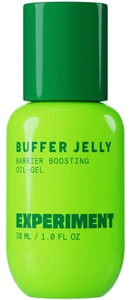
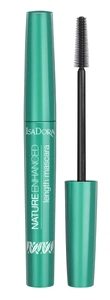
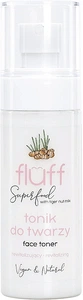
Pregnancy-safe products containing naringenin
Deinde
Deinde Moisture-locking Face Stick
99/100
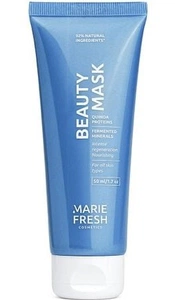
Marie Fresh Cosmetics
Marie Fresh Cosmetics Beauty Mask
98/100
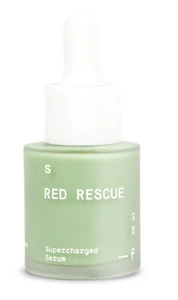
Serum Factory
Serum Factory Red Rescue Supercharged serum
98/100
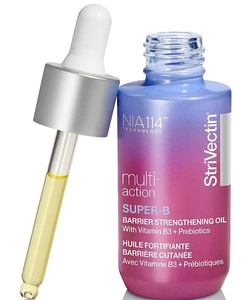
StriVectin
StriVectin Super-b Barrier Strengthening Oil With Vitamin B3
98/100
Dermosil
Dermosil Anti-redness Oil Serum
98/100
Experiment Beauty
Experiment Beauty Buffer Jelly
97/100
Isadora
Isadora Nature Enhanced Length Mascara Black
83/100
Fluff
Fluff Face Toner With Tiger Milk
83/100
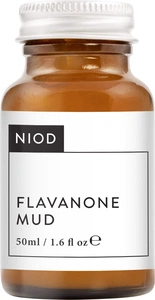
NIOD
NIOD Flavanone Mud
82/100
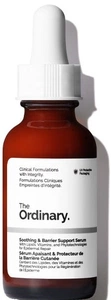
The Ordinary
The Ordinary Soothing & Barrier Support Serum
82/100
Related ingredients
Ver también
Sources & references
Authoritative references used to score this ingredient.
Frequently asked questions
- ¿Es naringenin seguro durante el embarazo?
- No harmonised CLP reproductive classification or SCCS/CIR safety assessment was identified for naringenin (CAS 480-41-1). Peer‑reviewed literature shows naringenin is a dietary citrus flavanone with some in vitro endocrine-related activity reported, but no consistent animal or human developmental/teratogenic signal that would trigger H361/H360 classification; therefore hazard and mechanism are scored 0. Percutaneous absorption from topical application is plausible (low, not negligible) given naringenin’s physicochemical properties and presence in cosmetic formulations, so exposure is scored as low but measurable (e=1). Sources consulted: ECHA (no harmonised CLP entry), PubChem, PubMed, CosIng, EWG.
- ¿Es naringenin seguro durante la lactancia?
- Same rationale as for pregnancy: no harmonised reproductive classification and no authoritative CIR/SCCS contraindication identified. Potential for low systemic absorption after topical use implies low measurable exposure in breastfeeding parent (e=1). No specific data on milk transfer were found in the authoritative sources consulted.
- ¿Es naringenin seguro para la piel del bebé?
- No infant‑specific developmental toxicity or dermal‑toxicity data indicating increased hazard. Following the specified instruction to increase exposure for infants when adult topical absorption is measurable, baby exposure is increased by +1 (adult e=1 → baby e=2) because infant skin has higher permeability and greater surface‑area‑to‑weight ratio. Hazard and mechanism remain 0 in absence of infant‑specific evidence.
- ¿Cómo puntúa VeriMom a naringenin?
- VeriMom puntúa naringenin en 93/100 (sin riesgos conocidos) según el estado EU CosIng, clasificaciones ECHA y estudios PubMed.
- ¿Cuáles son las alternativas seguras a naringenin en el embarazo?
- Consulta nuestra lista de alternativas seguras a naringenin según función similar y clasificación sin riesgos conocidos.
Revisa tus propios cosméticos
Pega la lista de ingredientes de cualquier producto en nuestro verificador gratuito y mira cada ingrediente evaluado con datos regulatorios de la UE e investigación revisada por pares.
Abrir el verificador de ingredientes seguros en el embarazoComprueba cualquier etiqueta en 2 segundos
Descarga VeriMom gratis — escanea cualquier producto y ve la puntuación de seguridad en el embarazo al instante.
Aviso Médico
Esta información es solo para fines educativos y no constituye asesoramiento médico. Las puntuaciones de seguridad se basan en datos disponibles públicamente y pueden no reflejar todos los riesgos. Siempre consulte a su profesional de salud antes de usar cualquier producto durante el embarazo o la lactancia.