 VeriMom
¿Es methylisothiazolinone seguro durante el embarazo?
Reviewed by VeriMom Editorial Team · Last reviewed
Ingredientes
methylisothiazolinone
SIN RIESGOS CONOCIDOS93
/100
0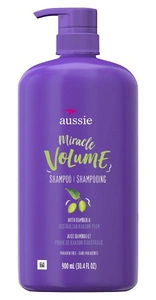
Pregnancy-safe products containing methylisothiazolinone
Aussie
Aussie Miracle Volume Shampoo For Fine Hair, Plum & Bamboo
99/100
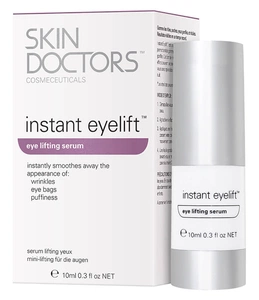
Skin doctors
Skin doctors Instant Eyelift
99/100
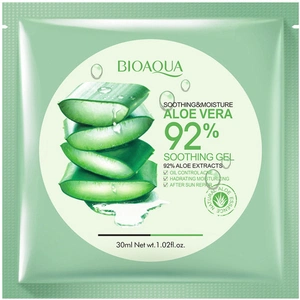
Bioaqua
BioAqua Aloe Vera 92% Soothing Gel
99/100
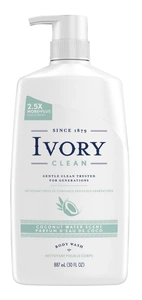
Ivory
Ivory Clean Body Wash
99/100
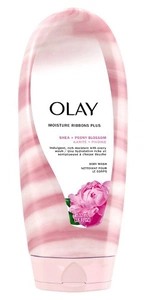
OLAY
Olay Shea + Peony Blossom Body Wash
99/100
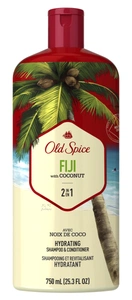
Old Spice
Old Spice Fiji 2In1 Shampoo And Conditioner
99/100
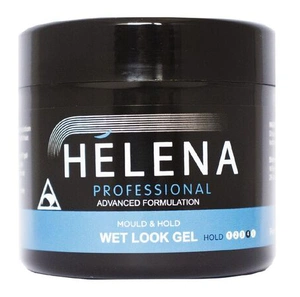
Helena Professional
Helena Professional Hair Gel
99/100
open beauty facts
Unknown
pantene
99/100
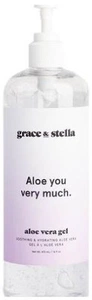
grace & stella
grace & stella Aloe Vera Gel
99/100
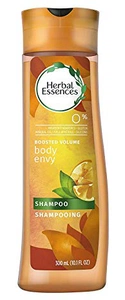
Herbal Essences
Herbal Essences Body Envy Volumizing Shampoo
99/100
Related ingredients
Ver también
Sources & references
Authoritative references used to score this ingredient.
Frequently asked questions
- ¿Es methylisothiazolinone seguro durante el embarazo?
- No harmonised reproductive classification (no H360/H361) in ECHA Annex VI for methylisothiazolinone; authoritative assessments (ECHA Annex VI; CIR/SCCS coverage of isothiazolinones) identify acute toxicity and strong skin sensitization but do not identify developmental or reproductive toxicity. Dermal exposure from cosmetics is low but measurable for topical use (so e=1). Sources: ECHA Annex VI (harmonised CLP entries for isothiazolinones), CIR/SCCS reviews noting sensitization and local effects rather than reproductive hazards.
- ¿Es methylisothiazolinone seguro durante la lactancia?
- No evidence or harmonised classification indicating reproductive or lactation-specific toxicity or transfer to breastmilk; mechanism for reproductive/adverse developmental effects not reported. Systemic absorption from topical use can occur at low levels, so measurable but low exposure during breastfeeding (e=1). Sources: ECHA Annex VI; CIR/SCCS assessments; PubChem/GHS summaries.
- ¿Es methylisothiazolinone seguro para la piel del bebé?
- No data indicating direct reproductive toxicity to infants or infant-specific mechanistic effects. However, methylisothiazolinone is a known potent skin sensitizer and can cause allergic contact dermatitis in infants; because infant skin has higher permeability and higher surface-area-to-weight, exposure ranking is increased by +1 (adult e=1 → infant e=2). This reflects higher potential for systemic uptake relative to adult use but not evidence of developmental toxicity. Sources: ECHA Annex VI (harmonised hazard classification including H317 skin sensitiser), CIR/SCCS commentary on isothiazolinone sensitization risk.
- ¿Cómo puntúa VeriMom a methylisothiazolinone?
- VeriMom puntúa methylisothiazolinone en 93/100 (sin riesgos conocidos) según el estado EU CosIng, clasificaciones ECHA y estudios PubMed.
- ¿Cuáles son las alternativas seguras a methylisothiazolinone en el embarazo?
- Consulta nuestra lista de alternativas seguras a methylisothiazolinone según función similar y clasificación sin riesgos conocidos.
Revisa tus propios cosméticos
Pega la lista de ingredientes de cualquier producto en nuestro verificador gratuito y mira cada ingrediente evaluado con datos regulatorios de la UE e investigación revisada por pares.
Abrir el verificador de ingredientes seguros en el embarazoComprueba cualquier etiqueta en 2 segundos
Descarga VeriMom gratis — escanea cualquier producto y ve la puntuación de seguridad en el embarazo al instante.
Aviso Médico
Esta información es solo para fines educativos y no constituye asesoramiento médico. Las puntuaciones de seguridad se basan en datos disponibles públicamente y pueden no reflejar todos los riesgos. Siempre consulte a su profesional de salud antes de usar cualquier producto durante el embarazo o la lactancia.