 VeriMom
¿Es mentha spicata flower/leaf/stem oil seguro durante el embarazo?
No harmonised reproductive classification for Mentha spicata flower/leaf/stem oil in ECHA Annex VI and no CIR conclusion identifying reproductive hazard for topical cosmetic use. Some peer‑reviewed oral ingestion studies (e.g., spearmint tea) report anti‑androgenic effects in humans/animals suggesting a possible mechanism (theoretical) if systemically exposed, but there is no consistent animal/human evidence of teratogenicity from cosmetic topical use. Dermal exposure from cosmetics is expected to be low but measurable. Sources: ECHA Annex VI (no harmonised CLP for this oil), CIR (no reproductive flag for cosmetic use), PubMed (human/animal oral anti‑androgenic data), ECHA registration dossiers / PubChem (constituents such as carvone/limonene noted but not H360/H361).
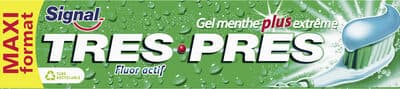
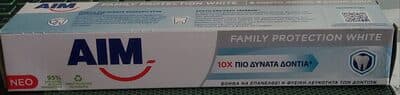
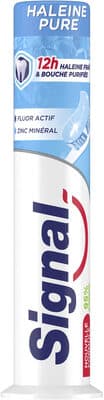
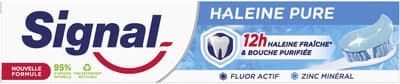
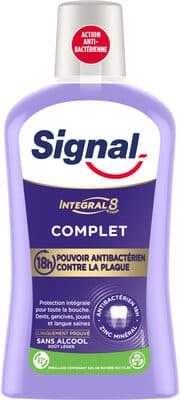
Pregnancy-safe products containing mentha spicata flower/leaf/stem oil
Related ingredients
Frequently asked questions
- ¿Es mentha spicata flower/leaf/stem oil seguro durante el embarazo?
- No harmonised reproductive classification for Mentha spicata flower/leaf/stem oil in ECHA Annex VI and no CIR conclusion identifying reproductive hazard for topical cosmetic use. Some peer‑reviewed oral ingestion studies (e.g., spearmint tea) report anti‑androgenic effects in humans/animals suggesting a possible mechanism (theoretical) if systemically exposed, but there is no consistent animal/human evidence of teratogenicity from cosmetic topical use. Dermal exposure from cosmetics is expected to be low but measurable. Sources: ECHA Annex VI (no harmonised CLP for this oil), CIR (no reproductive flag for cosmetic use), PubMed (human/animal oral anti‑androgenic data), ECHA registration dossiers / PubChem (constituents such as carvone/limonene noted but not H360/H361).
- ¿Es mentha spicata flower/leaf/stem oil seguro durante la lactancia?
- No harmonised classification or regulatory safety assessment identifying lactation/milk‑transfer hazards for spearmint oil. Theoretical mechanism (anti‑androgenic activity after systemic exposure) is reported in oral studies, but there is no direct evidence of transfer via breast milk or harm to breastfed infants from cosmetic topical use. Dermal absorption from cosmetics is expected to be low but measurable. Sources: ECHA Annex VI, CIR, PubMed.
- ¿Es mentha spicata flower/leaf/stem oil seguro para la piel del bebé?
- Regulatory sources do not list a harmonised reproductive/specific infant hazard for Mentha spicata oil. The putative anti‑androgenic activity is based on systemic oral exposures and remains theoretical for topical use. Per instructions, absorption exposure score increased by +1 for infants: if adult dermal exposure is low/measurable, infant exposure is considered higher due to immature barrier and higher surface area/weight. Additionally, constituents of the oil (e.g., limonene, other terpenes) can be skin sensitisers, which is a separate concern for infant topical use. Sources: ECHA Annex VI, PubMed, ECHA registration dossiers / CosIng (composition information).
- ¿Cómo puntúa VeriMom a mentha spicata flower/leaf/stem oil?
- VeriMom puntúa mentha spicata flower/leaf/stem oil en 87/100 (riesgo bajo) según el estado EU CosIng, clasificaciones ECHA y estudios PubMed.
- ¿Cuáles son las alternativas seguras a mentha spicata flower/leaf/stem oil en el embarazo?
- Consulta nuestra lista de alternativas seguras a mentha spicata flower/leaf/stem oil según función similar y clasificación sin riesgos conocidos.
Comprueba cualquier etiqueta en 2 segundos
Descarga VeriMom gratis — escanea cualquier producto y ve la puntuación de seguridad en el embarazo al instante.
Aviso Médico
Esta información es solo para fines educativos y no constituye asesoramiento médico. Las puntuaciones de seguridad se basan en datos disponibles públicamente y pueden no reflejar todos los riesgos. Siempre consulte a su profesional de salud antes de usar cualquier producto durante el embarazo o la lactancia.