 VeriMom
¿Es lipase seguro durante el embarazo?
Reviewed by VeriMom Editorial Team · Last reviewed
Ingredientes
lipase
SIN RIESGOS CONOCIDOS93
/100
0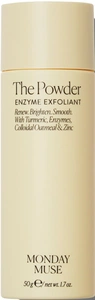
Pregnancy-safe products containing lipase
MONDAY MUSE
MONDAY MUSE The Powder
100/100
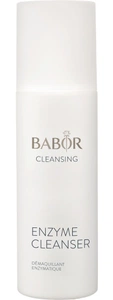
BABOR
BABOR Enzyme Cleansing
99/100
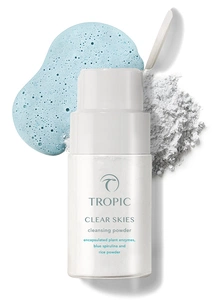
Tropic skincare
Tropic skincare Clear Skies Cleansing Powder
99/100
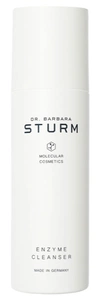
Dr. Barbara Stürm
Dr. Barbara Stürm Enzyme Cleanser
99/100
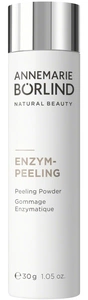
ANNEMARIE BÖRLIND
Annemarie Börlind Peeling Powder
99/100
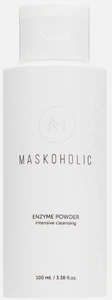
MASKOHOLIC
MASKOHOLIC Enzyme Powder
99/100
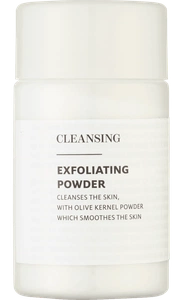
Etos
Etos Exfoliating Powder
99/100
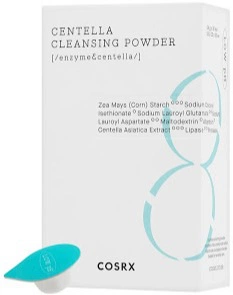
COSRX
COSRX Low Ph Centella Cleansing Powder
99/100
Dr. Jart+
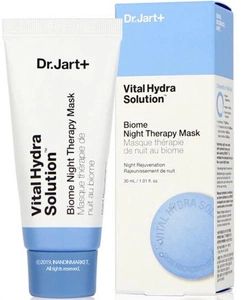
Dr. Jart+ Vital Hydra Solution Biome Night Therapy Mask
98/100
Nude by nature
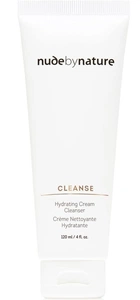
Nude by nature Hydrating Cream Cleanser
98/100
Related ingredients
Ver también
Sources & references
Authoritative references used to score this ingredient.
Frequently asked questions
- ¿Es lipase seguro durante el embarazo?
- No harmonised CLP reproductive classifications or CIR/SCCS safety assessments identify lipase (CAS 9001-62-1) as a reproductive or teratogenic hazard; ECHA lists the substance as an enzyme registration but no H360/H361 harmonised classification is present. However, SCCS data (Vitamin A opinion) show that topical lipase can rapidly metabolise/alter retinyl palmitate and increase cutaneous bioavailability of co-applied retinoids, so the primary concern is indirect (increasing penetration of other active ingredients) rather than intrinsic reproductive toxicity. ([echa.europa.eu](https://echa.europa.eu/substance-information/-/substanceinfo/100.029.642?utm_source=openai))
- ¿Es lipase seguro durante la lactancia?
- No evidence that lipase itself causes reproductive or lactation-related toxicity or that it is a known human teratogen. Dermally applied enzyme preparations are large protein molecules with negligible systemic absorption in normal cosmetic use, so direct exposure to breastfed infants is unlikely; the main mechanism-based concern is again indirect — lipase can alter penetration/metabolism of co-formulated actives (e.g., retinoids) which are of concern in pregnancy/lactation. No data were found showing lipase partitions into breastmilk or exerts direct effects on lactation. ([echa.europa.eu](https://echa.europa.eu/substance-information/-/substanceinfo/100.029.642?utm_source=openai))
- ¿Es lipase seguro para la piel del bebé?
- There is no evidence that lipase is a reproductive toxicant for infants. For baby (0–3 yr) skin, absorption/exposure scoring is increased by +1 per your rules because infant skin has a less mature barrier and higher surface-area-to-weight — while lipase is a large enzyme with generally low dermal absorption, infant exposure is plausibly higher than adult. The same indirect-mechanism caveat applies: lipase can metabolise or increase penetration of co-applied actives (SCCS Vitamin A data). No infant-specific toxicity data were identified. ([cirs-group.com](https://www.cirs-group.com/files/bjaxyplqmqyo/content/2022/11/c2965g2xf4zk.pdf?utm_source=openai))
- ¿Cómo puntúa VeriMom a lipase?
- VeriMom puntúa lipase en 93/100 (sin riesgos conocidos) según el estado EU CosIng, clasificaciones ECHA y estudios PubMed.
- ¿Cuáles son las alternativas seguras a lipase en el embarazo?
- Consulta nuestra lista de alternativas seguras a lipase según función similar y clasificación sin riesgos conocidos.
Revisa tus propios cosméticos
Pega la lista de ingredientes de cualquier producto en nuestro verificador gratuito y mira cada ingrediente evaluado con datos regulatorios de la UE e investigación revisada por pares.
Abrir el verificador de ingredientes seguros en el embarazoComprueba cualquier etiqueta en 2 segundos
Descarga VeriMom gratis — escanea cualquier producto y ve la puntuación de seguridad en el embarazo al instante.
Aviso Médico
Esta información es solo para fines educativos y no constituye asesoramiento médico. Las puntuaciones de seguridad se basan en datos disponibles públicamente y pueden no reflejar todos los riesgos. Siempre consulte a su profesional de salud antes de usar cualquier producto durante el embarazo o la lactancia.