 VeriMom
¿Es lavandula hybrida oil seguro durante el embarazo?
Reviewed by VeriMom Editorial Team · Last reviewed
Ingredientes
lavandula hybrida oil
SIN RIESGOS CONOCIDOS93
/100
0
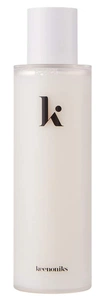
Pregnancy-safe products containing lavandula hybrida oil
Les Savons d'Orély
Milky Lavande
99/100
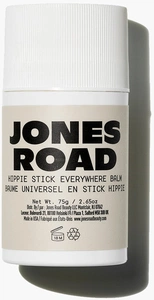
Jones Road Beauty
Jones Road Beauty Universal Skin Balm
99/100
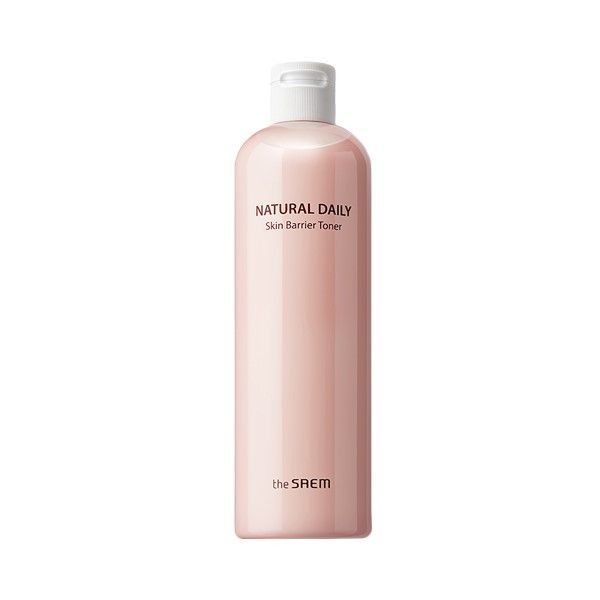
The Saem Natural Daily Skin Barrier Toner - 500ml
98/100
Garnier
Garnier Bio Lavender Anti-aging
98/100
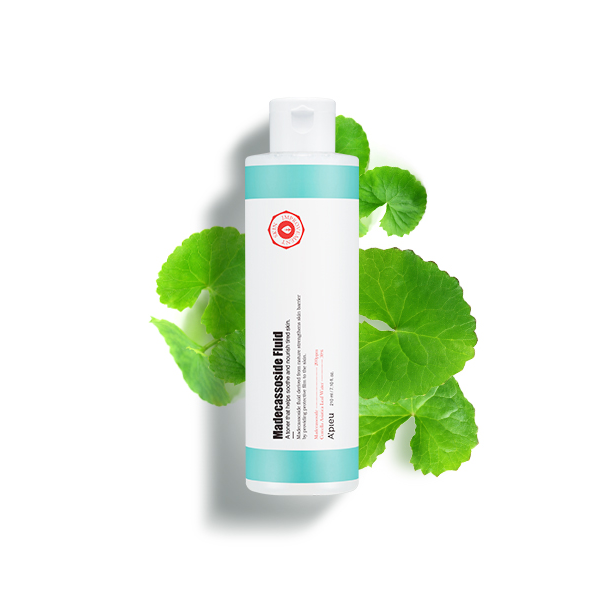
A'PIEU Madecassoside Fluid - 210ml
98/100
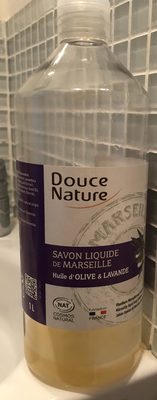
Douce Nature
Savon liquide de Marseille
98/100
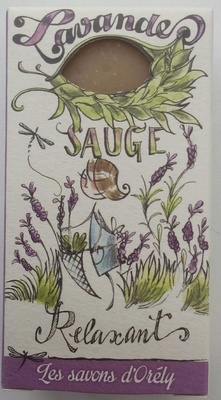
Les Savons d'Orély
Lavande Sauge
98/100
A'pieu
A'pieu Madecassoside Fluid
98/100
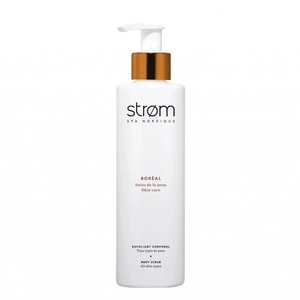
strøm spa
strøm spa Body Scrub
98/100
KEENONIKS
KEENONIKS Clarity Balancing Cream Toner (Intensive Skin Deep Treatment Toner)
98/100
Related ingredients
Ver también
Sources & references
Authoritative references used to score this ingredient.
Frequently asked questions
- ¿Es lavandula hybrida oil seguro durante el embarazo?
- No harmonised reproductive classification in ECHA Annex VI and no SCCS/CIR determination of reproductive hazard for lavandula hybrida oil; peer-reviewed literature does not show consistent developmental/teratogenic effects for lavandin oil as used cosmetically. Dermal application of essential oils can result in low but measurable absorption of volatile constituents (linalool, linalyl acetate), so exposure is scored as low but measurable. Sources consulted: ECHA Annex VI (no harmonised CLP for CAS 8022-15-9), CosIng/PubChem ingredient listings, and published literature summaries (PubMed) showing no definitive reproductive toxicity signals.
- ¿Es lavandula hybrida oil seguro durante la lactancia?
- No evidence of lactation-specific reproductive toxicity or harmonised classification. Transfer of trace volatile constituents into breastmilk is not documented for lavandin oil; systemic exposure from topical cosmetic use is expected to be low but measurable, so maternal exposure that could reach milk is rated low. Sources: ECHA Annex VI (no harmonised CLP), PubChem/CosIng ingredient entries, absence of studies in PubMed showing milk transfer or nursing-infant harm.
- ¿Es lavandula hybrida oil seguro para la piel del bebé?
- No neonatal-specific reproductive or developmental hazard identified for lavandula hybrida oil. However, because infant skin has a higher surface-area-to-body-weight ratio and an immature barrier, measured adult dermal absorption (low) is conservatively increased by +1 for infants, yielding moderate exposure. Note: there are separate concerns for skin sensitization and irritation of essential oils in infants, but those are not reproductive mechanisms. Sources: CosIng/PubChem for ingredient composition; general dermal absorption and infant skin physiology literature summarized in PubMed reviews; ECHA Annex VI (no harmonised repro hazard).
- ¿Cómo puntúa VeriMom a lavandula hybrida oil?
- VeriMom puntúa lavandula hybrida oil en 93/100 (sin riesgos conocidos) según el estado EU CosIng, clasificaciones ECHA y estudios PubMed.
- ¿Cuáles son las alternativas seguras a lavandula hybrida oil en el embarazo?
- Consulta nuestra lista de alternativas seguras a lavandula hybrida oil según función similar y clasificación sin riesgos conocidos.
Revisa tus propios cosméticos
Pega la lista de ingredientes de cualquier producto en nuestro verificador gratuito y mira cada ingrediente evaluado con datos regulatorios de la UE e investigación revisada por pares.
Abrir el verificador de ingredientes seguros en el embarazoComprueba cualquier etiqueta en 2 segundos
Descarga VeriMom gratis — escanea cualquier producto y ve la puntuación de seguridad en el embarazo al instante.
Aviso Médico
Esta información es solo para fines educativos y no constituye asesoramiento médico. Las puntuaciones de seguridad se basan en datos disponibles públicamente y pueden no reflejar todos los riesgos. Siempre consulte a su profesional de salud antes de usar cualquier producto durante el embarazo o la lactancia.