 VeriMom
¿Es ethylene/propylene/styrene copolymer seguro durante el embarazo?
Reviewed by VeriMom Editorial Team · Last reviewed
Ingredientes
ethylene/propylene/styrene copolymer
SIN RIESGOS CONOCIDOS100
/100
0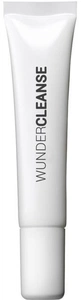
Pregnancy-safe products containing ethylene/propylene/styrene copolymer
WUNDER2
WUNDER2 WUNDERCLEANSE
100/100
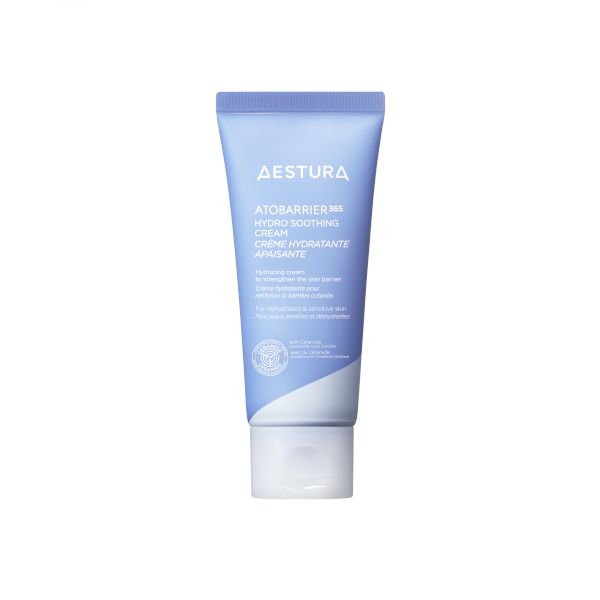
Aestura
Aestura AtoBarrier 365 Hydro Soothing Cream - 60ml
100/100
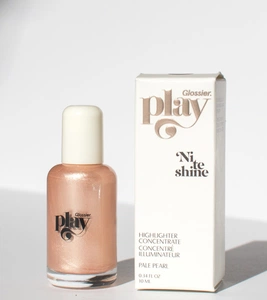
glossier
Glossier Play Niteshine
100/100
LANEIGE Lip Sleeping Mask EX - 8g - Apple Lime
100/100
ULTA
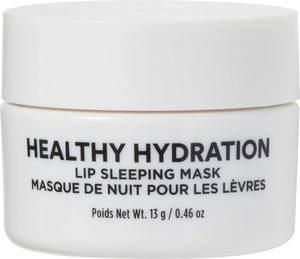
ULTA Healthy Hydration Lip Sleeping Mask
100/100
Aura
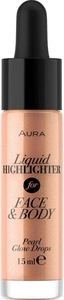
AURA Liquid Highlighter For Face & Body
100/100
Etude House
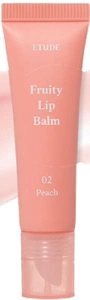
Etude House Fruity Lip Balm No02 Peach
100/100
Doll face
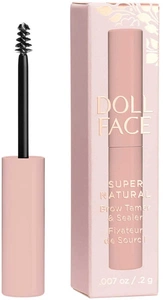
Doll Face Super Natural Brow Tamer & Sealer
100/100
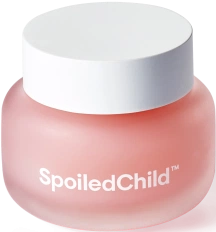
SpoiledChild
SpoiledChild Hydro-lock Overnight Lip Mask
100/100
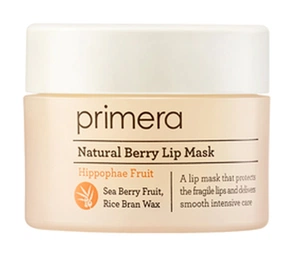
Primera
Primera Natural Berry Lip Mask
99/100
Related ingredients
Ver también
Sources & references
Authoritative references used to score this ingredient.
Frequently asked questions
- ¿Es ethylene/propylene/styrene copolymer seguro durante el embarazo?
- No harmonised CLP reproductive classification (no H360/H361) for the polymer was found in ECHA Annex VI, nor are there CIR or SCCS safety assessments indicating reproductive hazard. Peer‑reviewed literature does not report reproductive toxicity for the intact copolymer; polymers of this type are large, inert film formers with negligible dermal uptake (sources: ECHA Annex VI — no harmonised classification; CosIng listing; PubMed search — no reproductive studies).
- ¿Es ethylene/propylene/styrene copolymer seguro durante la lactancia?
- No evidence of lactation/breastfeeding transfer or mammary toxicity for the intact copolymer. High‑molecular‑weight polymers are not expected to be systemically bioavailable and therefore unlikely to reach breast milk. No CIR/SCCS warnings or ECHA harmonised classifications were identified.
- ¿Es ethylene/propylene/styrene copolymer seguro para la piel del bebé?
- For infant (0–3 yr) topical exposure, the polymer itself is expected to have negligible absorption due to high molecular weight and film‑forming nature. Per the guideline, baby exposure is not increased because available data indicate non‑absorbability; however, if significant residual styrene monomer were present in a formulation, that could alter exposure—no infant‑specific adverse data were found.
- ¿Cómo puntúa VeriMom a ethylene/propylene/styrene copolymer?
- VeriMom puntúa ethylene/propylene/styrene copolymer en 100/100 (sin riesgos conocidos) según el estado EU CosIng, clasificaciones ECHA y estudios PubMed.
- ¿Cuáles son las alternativas seguras a ethylene/propylene/styrene copolymer en el embarazo?
- Consulta nuestra lista de alternativas seguras a ethylene/propylene/styrene copolymer según función similar y clasificación sin riesgos conocidos.
Revisa tus propios cosméticos
Pega la lista de ingredientes de cualquier producto en nuestro verificador gratuito y mira cada ingrediente evaluado con datos regulatorios de la UE e investigación revisada por pares.
Abrir el verificador de ingredientes seguros en el embarazoComprueba cualquier etiqueta en 2 segundos
Descarga VeriMom gratis — escanea cualquier producto y ve la puntuación de seguridad en el embarazo al instante.
Aviso Médico
Esta información es solo para fines educativos y no constituye asesoramiento médico. Las puntuaciones de seguridad se basan en datos disponibles públicamente y pueden no reflejar todos los riesgos. Siempre consulte a su profesional de salud antes de usar cualquier producto durante el embarazo o la lactancia.