 VeriMom
¿Es donkey milk seguro durante el embarazo?
Reviewed by VeriMom Editorial Team · Last reviewed
Ingredientes
donkey milk
SIN RIESGOS CONOCIDOS100
/100
0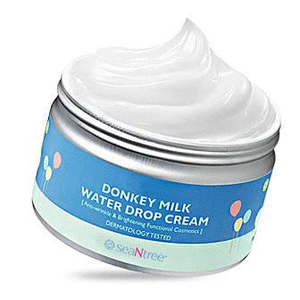
Pregnancy-safe products containing donkey milk
seaNtree
seaNtree Donkey Milk Water Drop Cream
100/100
SARYANE
savon liquide au lait d'ânesse bio et aloe vera
99/100
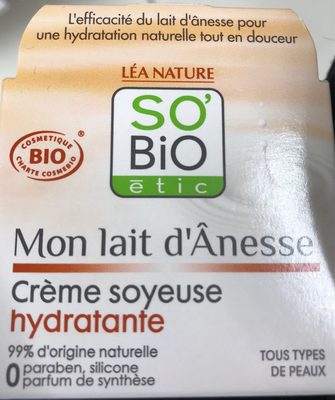
So Bio
Beauté & Hygiène / Soins Du Visage / Soins Hydratants Visage
99/100
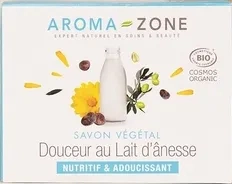
aroma-zone
Aroma Zone Gentle Organic Donkey Milk Soap
99/100
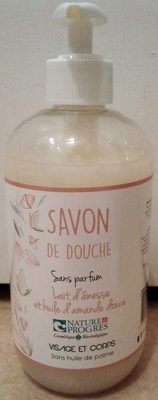
Nature & Progrès
Savon de douche lait d'ânesse et huile d'amande douce
98/100
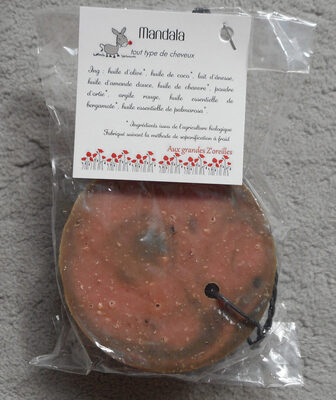
Aux grandes Z'oreilles
Mandala
98/100
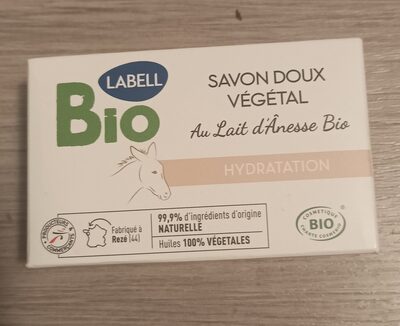
Labell
savon doux végétale au lait d'ânesse
98/100
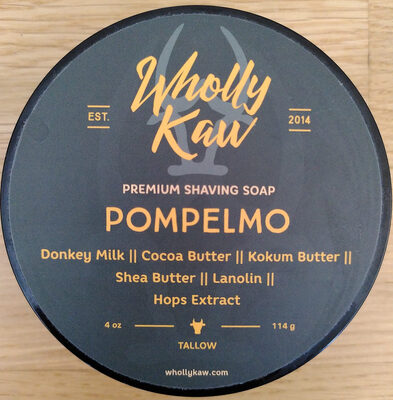
Wholly Kaw
Pompelmo
98/100
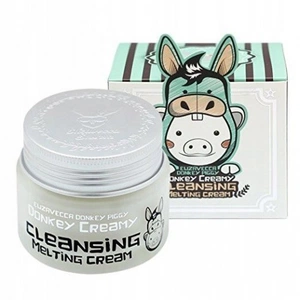
Elizavecca
Donkey Creamy Cleansing Melting Cream
98/100
Ixora
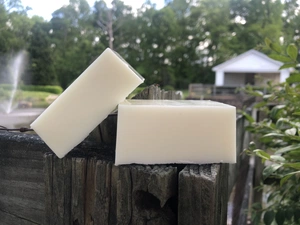
Ixora Donkey Milk & Chamomile Soap
98/100
Related ingredients
Ver también
Sources & references
Authoritative references used to score this ingredient.
Frequently asked questions
- ¿Es donkey milk seguro durante el embarazo?
- No harmonised CLP classification, SCCS opinion, or CIR safety assessment was found for 'donkey milk' as a cosmetic ingredient, and peer‑reviewed literature characterizes it as a food/cosmetic natural milk with nutritive and bioactive proteins (lysozyme, lactoferrin) rather than known reproductive toxicants; therefore by the provided scoring rules default is 0/0/0. Sources: recent narrative reviews and composition studies found no reproductive hazard statements. (PubMed review; composition studies; ECHA substance listings show no harmonised classification).
- ¿Es donkey milk seguro durante la lactancia?
- No data indicating donkey milk in topical cosmetics causes reproductive or lactation-specific hazards. Donkey milk is used nutritionally and cosmetically and literature focuses on nutritional composition and bioactivity, not on reproductive toxicity or transfer via breastmilk following topical use; therefore default scores are 0/0/0 per the scoring rules.
- ¿Es donkey milk seguro para la piel del bebé?
- No infant-specific safety studies showing developmental or reproductive toxicity from topical donkey milk were identified. Adult topical exposure is expected to have negligible absorption (e=0) for a milk ingredient in rinse‑off/leave‑on cosmetics, but per instructions baby exposure is increased by +1 because young skin has higher absorption — giving e=1. No evidence was found to increase hazard (h) or mechanism (m) for infants.
- ¿Cómo puntúa VeriMom a donkey milk?
- VeriMom puntúa donkey milk en 100/100 (sin riesgos conocidos) según el estado EU CosIng, clasificaciones ECHA y estudios PubMed.
- ¿Cuáles son las alternativas seguras a donkey milk en el embarazo?
- Consulta nuestra lista de alternativas seguras a donkey milk según función similar y clasificación sin riesgos conocidos.
Revisa tus propios cosméticos
Pega la lista de ingredientes de cualquier producto en nuestro verificador gratuito y mira cada ingrediente evaluado con datos regulatorios de la UE e investigación revisada por pares.
Abrir el verificador de ingredientes seguros en el embarazoComprueba cualquier etiqueta en 2 segundos
Descarga VeriMom gratis — escanea cualquier producto y ve la puntuación de seguridad en el embarazo al instante.
Aviso Médico
Esta información es solo para fines educativos y no constituye asesoramiento médico. Las puntuaciones de seguridad se basan en datos disponibles públicamente y pueden no reflejar todos los riesgos. Siempre consulte a su profesional de salud antes de usar cualquier producto durante el embarazo o la lactancia.