 VeriMom
¿Es dna seguro durante el embarazo?
Reviewed by VeriMom Editorial Team · Last reviewed
Ingredientes
dna
SIN RIESGOS CONOCIDOS100
/100
0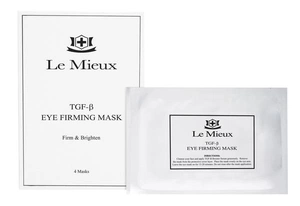
Pregnancy-safe products containing dna
Le Mieux
Le Mieux Tgf-B Eye Firming Mask
99/100
Unknown
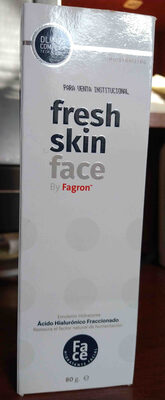
fresh skin face
99/100
Le Mieux
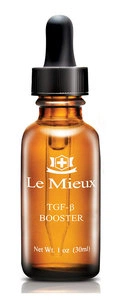
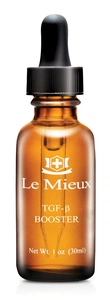
Le Mieux TGF-B Booster Serum
98/100
Dr. Melaxin
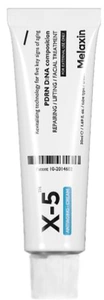
Dr. Melaxin X-5 Anti-Aging Cream
98/100
LeMieux
LeMieux Tgf-B Booster
98/100
Dr. Jart+
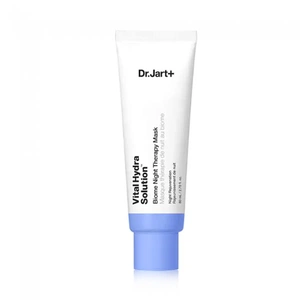
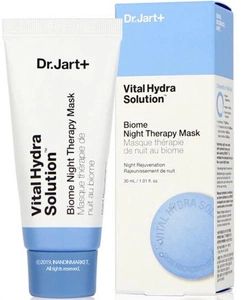
Dr. Jart+ Vital Hydra Solution Biome Night Therapy Mask (Discontinued)
98/100
Le Mieux
Le Mieux Tgf-β Booster
98/100
Dr. Jart+
Dr. Jart+ Vital Hydra Solution Biome Night Therapy Mask
98/100
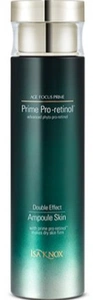
Isa Knox
Isa Knox Age Focus Prime Double Effect Concentrated Serum
97/100
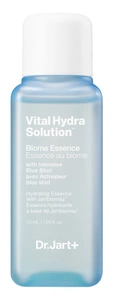
Dr. Jart+
Dr. Jart+ Vital Hydra Solution Biome Essence
97/100
Related ingredients
Ver también
Sources & references
Authoritative references used to score this ingredient.
Frequently asked questions
- ¿Es dna seguro durante el embarazo?
- No harmonised CLP classification or SCCS/CIR safety assessment was found for deoxyribonucleic acid (CAS 9007‑49‑2); CosIng lists DNA for skin conditioning with no restrictions and peer‑reviewed literature on topical/injectable PDRN reports therapeutic wound‑healing use but not reproductive toxicity. Therefore default hazard/mechanism = 0 and exposure from normal topical cosmetic use is judged negligible. (CosIng; PubMed review; EPA inert‑ingredient assessment).
- ¿Es dna seguro durante la lactancia?
- No evidence of reproductive or lactation hazards in available regulatory/cosmetic databases or the peer‑reviewed literature for intact DNA (9007‑49‑2); topical cosmetic application is expected to have negligible systemic availability and therefore negligible breastmilk exposure absent injection or systemic administration. (CosIng; PubMed review).
- ¿Es dna seguro para la piel del bebé?
- No infant‑specific hazard or mechanism data were identified. Intact DNA is a very high‑molecular‑weight polymer (used as sodium DNA/PDRN preparations); dermal absorption from intact DNA in cosmetics is expected to be negligible in adults, but because infant skin has higher surface‑area‑to‑weight and an immature barrier, exposure score increased by +1 for baby skin per your scoring rules — this is an exposure precaution, not evidence of increased hazard. (CosIng; PubMed reviews on topical PDRN indicate local activity but not systemic reproductive toxicity).
- ¿Cómo puntúa VeriMom a dna?
- VeriMom puntúa dna en 100/100 (sin riesgos conocidos) según el estado EU CosIng, clasificaciones ECHA y estudios PubMed.
- ¿Cuáles son las alternativas seguras a dna en el embarazo?
- Consulta nuestra lista de alternativas seguras a dna según función similar y clasificación sin riesgos conocidos.
Revisa tus propios cosméticos
Pega la lista de ingredientes de cualquier producto en nuestro verificador gratuito y mira cada ingrediente evaluado con datos regulatorios de la UE e investigación revisada por pares.
Abrir el verificador de ingredientes seguros en el embarazoComprueba cualquier etiqueta en 2 segundos
Descarga VeriMom gratis — escanea cualquier producto y ve la puntuación de seguridad en el embarazo al instante.
Aviso Médico
Esta información es solo para fines educativos y no constituye asesoramiento médico. Las puntuaciones de seguridad se basan en datos disponibles públicamente y pueden no reflejar todos los riesgos. Siempre consulte a su profesional de salud antes de usar cualquier producto durante el embarazo o la lactancia.