 VeriMom
¿Es distearyldimonium chloride seguro durante el embarazo?
Reviewed by VeriMom Editorial Team · Last reviewed
Ingredientes
distearyldimonium chloride
SIN RIESGOS CONOCIDOS93
/100
0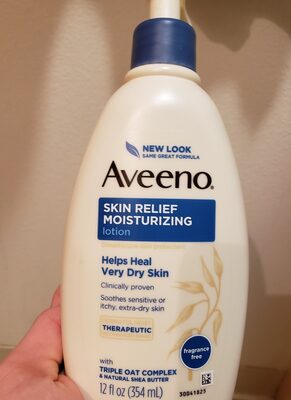

Pregnancy-safe products containing distearyldimonium chloride
Unknown
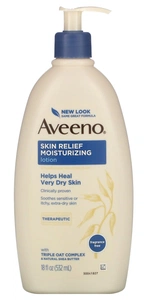
Aveeno Skin relief moisturizing lotion
98/100
Monoprix
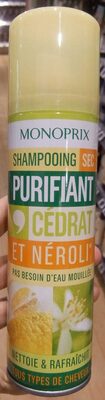
Shampoing sec
98/100
Balea
Balea Trocken Shampoo
98/100
Alama professional
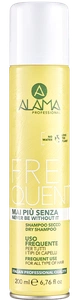
Alama Professional Frequent Dry Shampoo
98/100
Aveeno
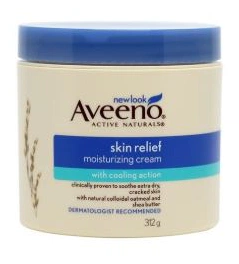
Aveeno Skin Relief Moisturizing Cream With Cooling Action
98/100
uncategorized
Unknown
johnsons
98/100
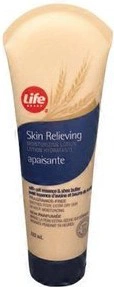
Life Brand
Life Brand Skin Relieving Moisturizing Lotion
98/100
Aveeno
Aveeno Skin Relief Lotion
98/100
Batiste
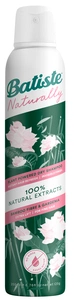
Batiste Naturally Dry Shampoo
98/100
Unknown
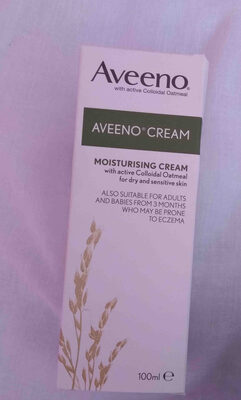
Aveeno
98/100
Related ingredients
Ver también
Sources & references
Authoritative references used to score this ingredient.
Frequently asked questions
- ¿Es distearyldimonium chloride seguro durante el embarazo?
- No harmonised reproductive classification (no H360/H361) for distearyldimonium chloride; ECHA classifications on record for this substance relate to severe eye damage (H318) and aquatic toxicity (H400, H410) rather than reproductive toxicity (ECHA Annex VI). No authoritative CIR or SCCS reproductive restriction was identified in the provided regulatory context. Dermal systemic absorption of quaternary ammonium salts is generally low, so systemic exposure from typical topical cosmetic use is expected to be low (e=1). Sources checked: ECHA Annex VI, ECHA H-codes, PubChem, CosIng, CIR, PubMed, EWG.
- ¿Es distearyldimonium chloride seguro durante la lactancia?
- No evidence or harmonised classification indicating reproductive or lactation hazards. Given low expected dermal absorption of quaternary ammonium compounds, systemic exposure and transfer into breastmilk would be low for typical topical use (e=1). No specific breastfeeding studies were identified in the provided sources.
- ¿Es distearyldimonium chloride seguro para la piel del bebé?
- No infant-specific reproductive/toxicological classification found. However, because infant (0–3 y) skin has higher permeability and higher surface‑area‑to‑body‑weight ratio, exposure score is increased by +1 versus adult (adult e=1 → infant e=2). Additionally, the main regulatory flags for this chemical relate to eye damage and environmental toxicity rather than systemic developmental toxicity (ECHA Annex VI).
- ¿Cómo puntúa VeriMom a distearyldimonium chloride?
- VeriMom puntúa distearyldimonium chloride en 93/100 (sin riesgos conocidos) según el estado EU CosIng, clasificaciones ECHA y estudios PubMed.
- ¿Cuáles son las alternativas seguras a distearyldimonium chloride en el embarazo?
- Consulta nuestra lista de alternativas seguras a distearyldimonium chloride según función similar y clasificación sin riesgos conocidos.
Comprueba cualquier etiqueta en 2 segundos
Descarga VeriMom gratis — escanea cualquier producto y ve la puntuación de seguridad en el embarazo al instante.
Aviso Médico
Esta información es solo para fines educativos y no constituye asesoramiento médico. Las puntuaciones de seguridad se basan en datos disponibles públicamente y pueden no reflejar todos los riesgos. Siempre consulte a su profesional de salud antes de usar cualquier producto durante el embarazo o la lactancia.