 VeriMom
¿Es cocamidopropyl hydroxysultaine seguro durante el embarazo?
Reviewed by VeriMom Editorial Team · Last reviewed
Ingredientes
cocamidopropyl hydroxysultaine
SIN RIESGOS CONOCIDOS93
/100
0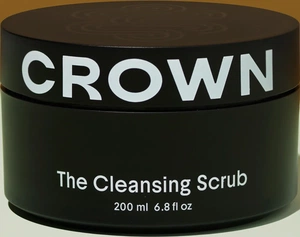
Pregnancy-safe products containing cocamidopropyl hydroxysultaine
Crown Affair
Crown Affair The Cleansing Scrub
99/100
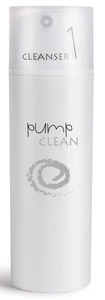
Visible Ingredients
Visible Ingredients Pump Clean
99/100
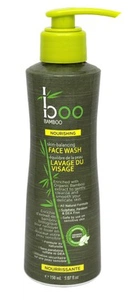
Boo Bamboo
Boo Bamboo Skin Balancing Face Wash
99/100
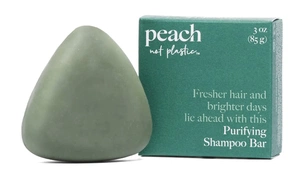
Peach Not Plastic
Peach Not Plastic Volumizing Shampoo Bar
99/100
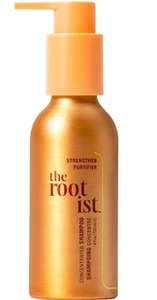
The Rootist
The Rootist Strengthen Concentrated Peptide Shampoo
99/100
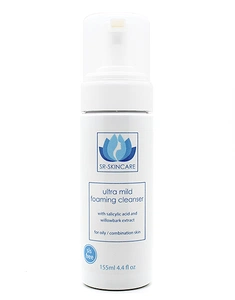
SR-Skincare
SR-Skincare Ultra-Mild Foaming Cleanser For Oily/ Combination Skin
99/100
cleansers
Neutrogena
Neutrogena Hydro Boost Exfoliating Cleanser
99/100
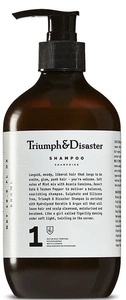
Triumph & Disaster
Triumph & Disaster Shampoo
98/100
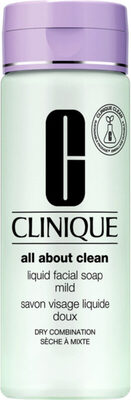
Clinique
All About Clean Liquid Facial Soap Mild
98/100
Neutrogena
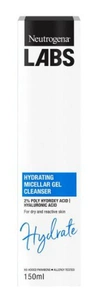
Neutrogena Labs Hydrating Micellar Gel Cleanser
98/100
Related ingredients
Ver también
Sources & references
Authoritative references used to score this ingredient.
Frequently asked questions
- ¿Es cocamidopropyl hydroxysultaine seguro durante el embarazo?
- No harmonised reproductive classification or SCCS/CIR repro flag was identified. Repeated-dose/oral (OECD 422) studies reported a developmental/reproductive NOAEL around 300 mg/kg/day and agencies reviewing the data (registration dossiers / national assessments) concluded no developmental toxicity at doses ≤300 mg/kg/day, so there is no evidence of a reproductive hazard. For topical cosmetic use systemic absorption is expected to be low but measurable, so exposure is scored as low (e=1). Sources: ECHA registration dossier and national assessment. (ECHA OECD 422 dossier; Canada final assessment).
- ¿Es cocamidopropyl hydroxysultaine seguro durante la lactancia?
- No data indicating transfer to breastmilk or breastfeeding-specific adverse effects were found in authoritative dossiers or the published toxicology records. Animal studies show no reproductive/developmental hazard at relevant NOAELs; therefore hazard and mechanism scores are 0. Topical use implies low but measurable maternal systemic exposure, so breastfeeding exposure scored as low (e=1).
- ¿Es cocamidopropyl hydroxysultaine seguro para la piel del bebé?
- No infant-specific reproductive/toxic mechanism or developmental evidence was found. Because the ingredient has measurable absorption in systemic toxicity studies (oral) and topical cosmetics can be absorbed to a low extent in adults, infant skin (0–3 yr) — which has an immature barrier and higher surface-area-to-weight ratio — receives one point higher exposure (adult e=1 → baby e=2). No infant-specific hazards were identified in the searched sources.
- ¿Cómo puntúa VeriMom a cocamidopropyl hydroxysultaine?
- VeriMom puntúa cocamidopropyl hydroxysultaine en 93/100 (sin riesgos conocidos) según el estado EU CosIng, clasificaciones ECHA y estudios PubMed.
- ¿Cuáles son las alternativas seguras a cocamidopropyl hydroxysultaine en el embarazo?
- Consulta nuestra lista de alternativas seguras a cocamidopropyl hydroxysultaine según función similar y clasificación sin riesgos conocidos.
Revisa tus propios cosméticos
Pega la lista de ingredientes de cualquier producto en nuestro verificador gratuito y mira cada ingrediente evaluado con datos regulatorios de la UE e investigación revisada por pares.
Abrir el verificador de ingredientes seguros en el embarazoComprueba cualquier etiqueta en 2 segundos
Descarga VeriMom gratis — escanea cualquier producto y ve la puntuación de seguridad en el embarazo al instante.
Aviso Médico
Esta información es solo para fines educativos y no constituye asesoramiento médico. Las puntuaciones de seguridad se basan en datos disponibles públicamente y pueden no reflejar todos los riesgos. Siempre consulte a su profesional de salud antes de usar cualquier producto durante el embarazo o la lactancia.