 VeriMom
¿Es chlorhexidine dihydrochloride seguro durante el embarazo?
CIR’s final safety assessment concluded chlorhexidine and its salts (including the dihydrochloride) are safe for cosmetic use at specified concentrations (e.g. up to ~0.16% as the dihydrochloride). Clinical guidance and reviews (NHS, LactMed) report little evidence of harm in pregnancy and limited data but do not identify reproductive/teratogenic signals. ([cir-safety.org](https://www.cir-safety.org/sites/default/files/qrt-fix_0.pdf?utm_source=openai))
Pregnancy-safe products containing chlorhexidine dihydrochloride
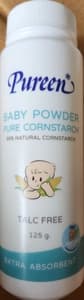


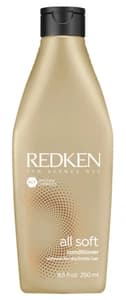


Related ingredients
Frequently asked questions
- ¿Es chlorhexidine dihydrochloride seguro durante el embarazo?
- CIR’s final safety assessment concluded chlorhexidine and its salts (including the dihydrochloride) are safe for cosmetic use at specified concentrations (e.g. up to ~0.16% as the dihydrochloride). Clinical guidance and reviews (NHS, LactMed) report little evidence of harm in pregnancy and limited data but do not identify reproductive/teratogenic signals. ([cir-safety.org](https://www.cir-safety.org/sites/default/files/qrt-fix_0.pdf?utm_source=openai))
- ¿Es chlorhexidine dihydrochloride seguro durante la lactancia?
- Available human sources (LactMed, NHS) report minimal transfer to breastmilk with topical use and do not identify clear adverse effects in breastfed infants; CIR supports cosmetic use within concentration limits. Therefore no reproductive/breastfeeding hazard or mechanism is indicated for normal cosmetic topical uses. ([ncbi.nlm.nih.gov](https://www.ncbi.nlm.nih.gov/books/NBK501370/?utm_source=openai))
- ¿Es chlorhexidine dihydrochloride seguro para la piel del bebé?
- No evidence of chlorhexidine being a reproductive/teratogenic hazard, but clinical literature shows measurable systemic absorption in infants after repeated topical exposures (e.g., CHG bathing studies and neonatal umbilical-cord application literature). Because infant skin has higher surface-area-to-weight and some studies detected blood levels after topical use, exposure (e) is increased by +1 vs adults; however authoritative safety reviews (CIR) still list safe use at defined concentrations for cosmetics. Caution is advised for very young/preterm infants (<2 months) where some guidance recommends limiting use. ([pubmed.ncbi.nlm.nih.gov](https://pubmed.ncbi.nlm.nih.gov/31676520/))
- ¿Cómo puntúa VeriMom a chlorhexidine dihydrochloride?
- VeriMom puntúa chlorhexidine dihydrochloride en 100/100 (sin riesgos conocidos) según el estado EU CosIng, clasificaciones ECHA y estudios PubMed.
- ¿Cuáles son las alternativas seguras a chlorhexidine dihydrochloride en el embarazo?
- Consulta nuestra lista de alternativas seguras a chlorhexidine dihydrochloride según función similar y clasificación sin riesgos conocidos.
Comprueba cualquier etiqueta en 2 segundos
Descarga VeriMom gratis — escanea cualquier producto y ve la puntuación de seguridad en el embarazo al instante.
Aviso Médico
Esta información es solo para fines educativos y no constituye asesoramiento médico. Las puntuaciones de seguridad se basan en datos disponibles públicamente y pueden no reflejar todos los riesgos. Siempre consulte a su profesional de salud antes de usar cualquier producto durante el embarazo o la lactancia.