 VeriMom
¿Es cetylpyridinium chloride seguro durante el embarazo?
Reviewed by VeriMom Editorial Team · Last reviewed
Ingredientes
cetylpyridinium chloride
SIN RIESGOS CONOCIDOS93
/100
0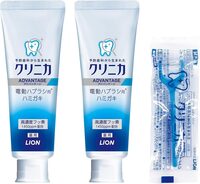
Pregnancy-safe products containing cetylpyridinium chloride
Lion
CLINICA Advantage Gel Toothpaste (for electric toothbrushes) (Pack of 2) + CLINICA ADVANTAGE Dental Floss Y-Type
99/100
Unknown
Pro formula oral care complete gum health mouthwash antibacterial
99/100
Carrefour
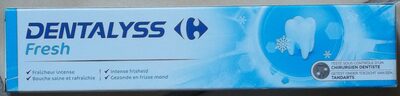
dentifrice dentalyss fresh
99/100
Auchan
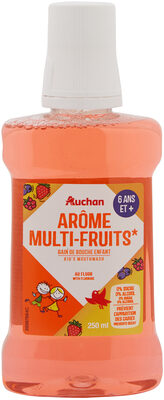
Bain de bouche enfant
99/100
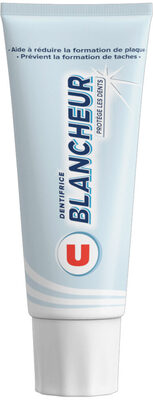
U
Dentifrice Blancheur
99/100
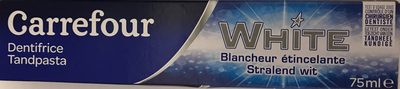
Carrefour
White Blancheur étincelante
99/100
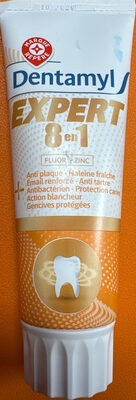
Marque Repère
Dentamyl expert 8 en 1
99/100
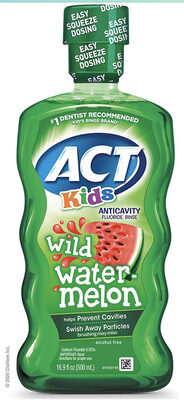
ACT
Wild Watermelon Rinse
99/100
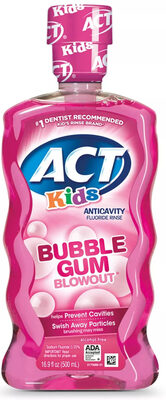
ACT
Bubble gum blowout
99/100
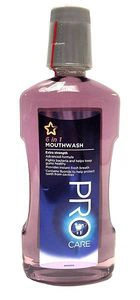
Superdrug Procare
Superdrug Procare 6-In-1 Mouthwash
99/100
Related ingredients
Ver también
Sources & references
Authoritative references used to score this ingredient.
Frequently asked questions
- ¿Es cetylpyridinium chloride seguro durante el embarazo?
- No harmonised CLP reproductive classification exists for cetylpyridinium chloride (ECHA Annex VI). Regulatory and safety sources do not identify convincing human teratogenicity or an H360/H361‑level reproductive hazard; available safety assessments for topical/oral antiseptic uses do not flag reproductive risk. Systemic exposure from typical cosmetic topical use (e.g., oral rinses, some leave‑on or rinse‑off products) is low but measurable, so exposure is scored as low (e=1). Sources consulted: ECHA Annex VI (no harmonised repro classification), PubChem, CosIng, and general regulatory summaries.
- ¿Es cetylpyridinium chloride seguro durante la lactancia?
- No regulatory or authoritative source identifies cetylpyridinium chloride as a breastfeeding/lactation hazard or as a known human reproductive toxicant. Given low systemic absorption from typical cosmetic use, milk transfer is expected to be minimal—scored as low exposure (e=1). Sources: ECHA Annex VI, PubChem, CosIng.
- ¿Es cetylpyridinium chloride seguro para la piel del bebé?
- No infant‑specific evidence of reproductive/developmental hazard or specific infant toxicity was identified in authoritative sources. However, because infant skin has a higher surface‑area‑to‑weight ratio and an immature barrier, measurable dermal absorption for adults is treated as increased for 0–3‑year‑olds; adult exposure was scored as low (e=1) and increased by +1 for babies to e=2. Sources: ECHA Annex VI, PubChem, CosIng, EWG (for general hazard/usage context).
- ¿Cómo puntúa VeriMom a cetylpyridinium chloride?
- VeriMom puntúa cetylpyridinium chloride en 93/100 (sin riesgos conocidos) según el estado EU CosIng, clasificaciones ECHA y estudios PubMed.
- ¿Cuáles son las alternativas seguras a cetylpyridinium chloride en el embarazo?
- Consulta nuestra lista de alternativas seguras a cetylpyridinium chloride según función similar y clasificación sin riesgos conocidos.
Revisa tus propios cosméticos
Pega la lista de ingredientes de cualquier producto en nuestro verificador gratuito y mira cada ingrediente evaluado con datos regulatorios de la UE e investigación revisada por pares.
Abrir el verificador de ingredientes seguros en el embarazoComprueba cualquier etiqueta en 2 segundos
Descarga VeriMom gratis — escanea cualquier producto y ve la puntuación de seguridad en el embarazo al instante.
Aviso Médico
Esta información es solo para fines educativos y no constituye asesoramiento médico. Las puntuaciones de seguridad se basan en datos disponibles públicamente y pueden no reflejar todos los riesgos. Siempre consulte a su profesional de salud antes de usar cualquier producto durante el embarazo o la lactancia.