 VeriMom
¿Es camphor seguro durante el embarazo?
Reviewed by VeriMom Editorial Team · Last reviewed
Ingredientes
camphor
SIN RIESGOS CONOCIDOS93
/100
0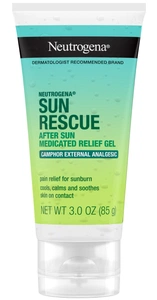
Pregnancy-safe products containing camphor
Neutrogena
Neutrogena Sun Rescue
98/100
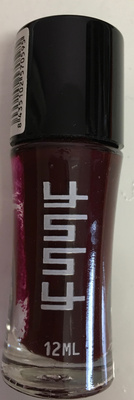
Y.S.S.Y
Vernis à ongles
98/100
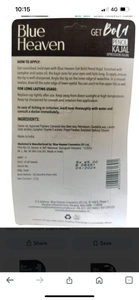
Blue Heaven
Blue Heaven Kajal
98/100
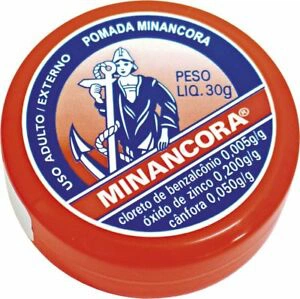
Minancora
Minancora Ointment
98/100
Yesensy
Yssy
98/100
Klorane
Klorane Scalp Detox Shampoo With Aquatic Mint
97/100
Chapstick
Chapstick Classic Skin Protectant | Original
97/100
Carmex
Carmex Classic Lip Balm Medicated
97/100
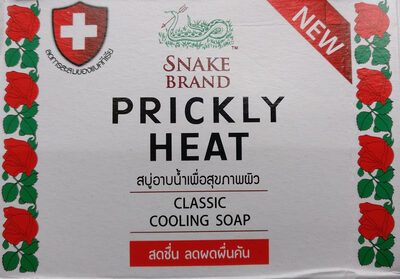
Snake Brand
Prichly Heat Classic Cooling Soap
97/100
cleansers
Unknown
Eve Lom Rescue Mask (100ml)
97/100
Related ingredients
Ver también
Sources & references
Authoritative references used to score this ingredient.
Frequently asked questions
- ¿Es camphor seguro durante el embarazo?
- No harmonised CLP reproductive classification for camphor (CAS 464-49-3) is listed on ECHA and there is no CIR or SCCS reproductive prohibition for camphor itself; therefore default reproductive hazard is 0. Topical camphor is measurably absorbed systemically in humans and the FDA limits camphor concentration in topical products (historically cited 11%), so topical exposure in pregnancy is given a low but measurable exposure score. ([echa.europa.eu](https://echa.europa.eu/lv/substance-information/-/substanceinfo/100.006.688?utm_source=openai))
- ¿Es camphor seguro durante la lactancia?
- There are no authoritative sources (harmonised CLP, SCCS or CIR) identifying camphor as a reproductive or lactation hazard; direct data on transfer into human milk are lacking. Camphor is systemically absorbable after topical/inhalation exposure, so a low but measurable exposure for breastfeeding mothers is assigned. ([echa.europa.eu](https://echa.europa.eu/lv/substance-information/-/substanceinfo/100.006.688?utm_source=openai))
- ¿Es camphor seguro para la piel del bebé?
- Evidence from multiple clinical reports and reviews shows that young children can develop acute neurotoxicity (including seizures) after camphor ingestion and after dermal/inhalational exposures to camphor-containing products; pediatric cases and poison-control guidance indicate that small doses can produce severe toxicity. This establishes a suspected (non‑reproductive) hazard for infants exposed topically (scored here per user request for 0–3 yr skin safety). A demonstrated mechanism of systemic neurotoxicity and measurable dermal absorption supports m=2. Because infant skin has higher absorption per weight and reported dermal exposures have produced toxicity in toddlers, exposure for baby skin is moderate (adult topical absorption scored as 1; +1 for baby skin → 2). ([pubmed.ncbi.nlm.nih.gov](https://pubmed.ncbi.nlm.nih.gov/19403490/?utm_source=openai))
- ¿Cómo puntúa VeriMom a camphor?
- VeriMom puntúa camphor en 93/100 (sin riesgos conocidos) según el estado EU CosIng, clasificaciones ECHA y estudios PubMed.
- ¿Cuáles son las alternativas seguras a camphor en el embarazo?
- Consulta nuestra lista de alternativas seguras a camphor según función similar y clasificación sin riesgos conocidos.
Revisa tus propios cosméticos
Pega la lista de ingredientes de cualquier producto en nuestro verificador gratuito y mira cada ingrediente evaluado con datos regulatorios de la UE e investigación revisada por pares.
Abrir el verificador de ingredientes seguros en el embarazoComprueba cualquier etiqueta en 2 segundos
Descarga VeriMom gratis — escanea cualquier producto y ve la puntuación de seguridad en el embarazo al instante.
Aviso Médico
Esta información es solo para fines educativos y no constituye asesoramiento médico. Las puntuaciones de seguridad se basan en datos disponibles públicamente y pueden no reflejar todos los riesgos. Siempre consulte a su profesional de salud antes de usar cualquier producto durante el embarazo o la lactancia.