 VeriMom
¿Es calcium chloride seguro durante el embarazo?
Reviewed by VeriMom Editorial Team · Last reviewed
Ingredientes
calcium chloride
SIN RIESGOS CONOCIDOS100
/100
0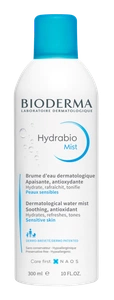
Pregnancy-safe products containing calcium chloride
moisturizers
Unknown
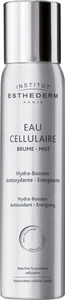
Institut Esthederm Cellular Water Mist 100ml
100/100
Bioderma
Bioderma Hydrabio Mist
100/100
Institut Esthederm
Institut Esthederm Cellular Water Mist
100/100
Bioeffect
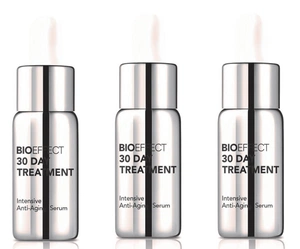
Bioeffect 30 Day Treatment
100/100
serums
NARS
Orgasm Four Play - Palette De Blush - 3,2 g x 4
99/100
unilever
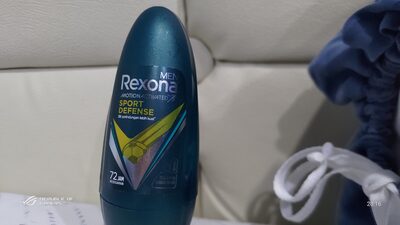
Rexona Sport Defense
99/100
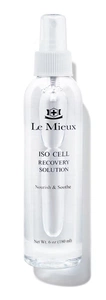
LeMieux
LeMieux Iso-Recovery Solution
99/100
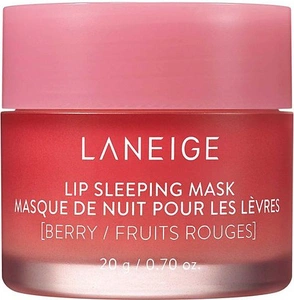
Laneige
LANEIGE Lip Sleeping Mask Berry
99/100
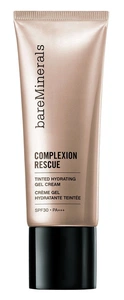
bareMinerals
bareMinerals Complexion Rescue Tinted Hydrating Gel Cream SPF 30
99/100
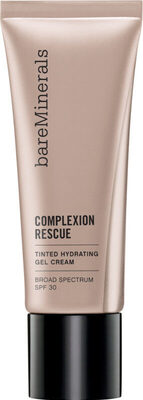
bareMinerals
Complexion Rescue Tinted Hydrating Gel Cream Broad Spectrum SPF 30
99/100
Related ingredients
Ver también
Sources & references
Authoritative references used to score this ingredient.
Frequently asked questions
- ¿Es calcium chloride seguro durante el embarazo?
- Calcium chloride (CAS 10043-52-4) has a harmonised CLP classification limited to H319 (eye irritation) in ECHA Annex VI and no harmonised reproductive or developmental classification. There are no well-known reproductive hazards, SCCS opinions, or CIR safety-restrictions indicating teratogenicity or reproductive toxicity for topical use. Dermal absorption of an inorganic, highly dissociated salt is expected to be negligible for cosmetic topical use, so systemic exposure in pregnancy is expected to be minimal (sources: ECHA Annex VI, PubChem, ECHA registration dossiers, CosIng).
- ¿Es calcium chloride seguro durante la lactancia?
- No evidence or regulatory classification indicates effects on lactation or breastfed infants. As an inorganic salt with low expected dermal absorption and no systemic reproductive or endocrine activity reported, transfer into breastmilk from topical cosmetic use is unlikely and exposure is expected to be negligible (sources: ECHA Annex VI, PubChem, ECHA registration dossiers).
- ¿Es calcium chloride seguro para la piel del bebé?
- Hazard and mechanism: no reproductive or developmental hazard specific to infants is identified (h=0, m=0). Exposure: infants (0–3 yr) have a less mature skin barrier and higher surface-area-to-weight ratio; although calcium chloride itself is poorly systemically absorbed, a conservative increase in exposure rating by +1 is applied for baby skin (e=1). Primary regulatory flag for calcium chloride remains H319 (eye irritant), and there is no infant-specific toxicity data indicating systemic harm from topical cosmetic use (sources: ECHA Annex VI, PubChem, CosIng).
- ¿Cómo puntúa VeriMom a calcium chloride?
- VeriMom puntúa calcium chloride en 100/100 (sin riesgos conocidos) según el estado EU CosIng, clasificaciones ECHA y estudios PubMed.
- ¿Cuáles son las alternativas seguras a calcium chloride en el embarazo?
- Consulta nuestra lista de alternativas seguras a calcium chloride según función similar y clasificación sin riesgos conocidos.
Revisa tus propios cosméticos
Pega la lista de ingredientes de cualquier producto en nuestro verificador gratuito y mira cada ingrediente evaluado con datos regulatorios de la UE e investigación revisada por pares.
Abrir el verificador de ingredientes seguros en el embarazoComprueba cualquier etiqueta en 2 segundos
Descarga VeriMom gratis — escanea cualquier producto y ve la puntuación de seguridad en el embarazo al instante.
Aviso Médico
Esta información es solo para fines educativos y no constituye asesoramiento médico. Las puntuaciones de seguridad se basan en datos disponibles públicamente y pueden no reflejar todos los riesgos. Siempre consulte a su profesional de salud antes de usar cualquier producto durante el embarazo o la lactancia.