 VeriMom
¿Es c14-22 alcohols seguro durante el embarazo?
Reviewed by VeriMom Editorial Team · Last reviewed
Ingredientes
c14-22 alcohols
SIN RIESGOS CONOCIDOS93
/100
0
Pregnancy-safe products containing c14-22 alcohols
Laneige
LANEIGE Water Bank Blue Hyaluronic Cleansing Foam - 30g (4ea)
99/100
Laneige
LANEIGE Water Bank Blue Hyaluronic Cleansing Foam - 150g (1ea) + Cica Sleeping Mask 10ml (3ea) Set
99/100
LANEIGE Water Bank Blue Hyaluronic Cream For Combination To Oily Skin - 10ml
99/100
Laneige
LANEIGE Water Bank Blue Hyaluronic Eye Cream
99/100
Laneige
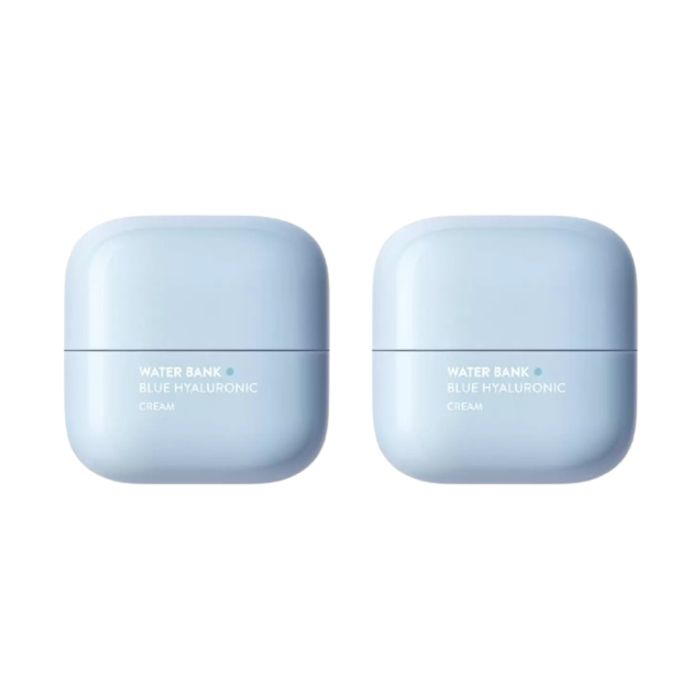
LANEIGE Water Bank Blue Hyaluronic Moisture Cream - 50ml (2ea) Set
99/100
Laneige
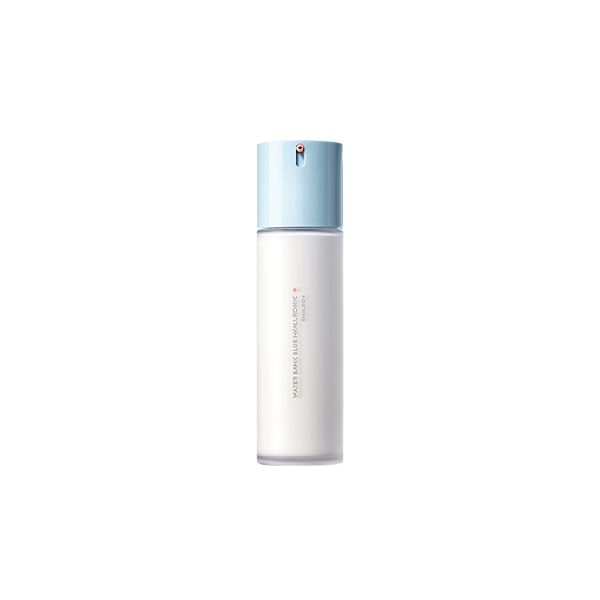
LANEIGE Water Bank Blue Hyaluronic Emulsion For Normal To Dry Skin - 120ml
99/100
BERRISOM
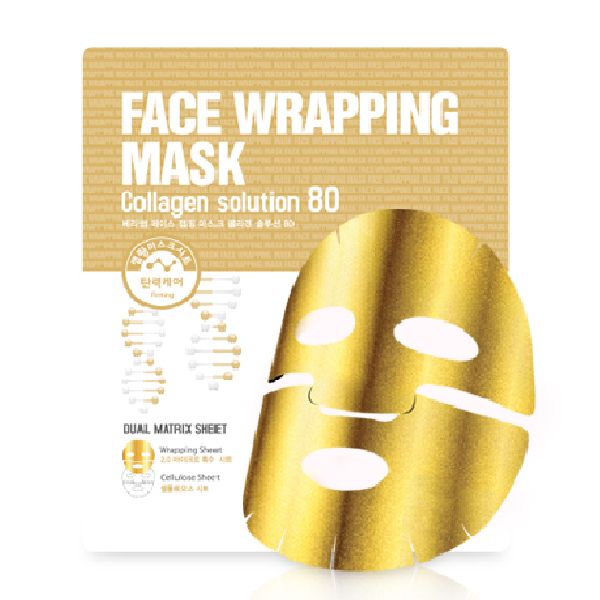
Berrisom Face Wrapping Mask - Collagen Solution 80
99/100
Laneige
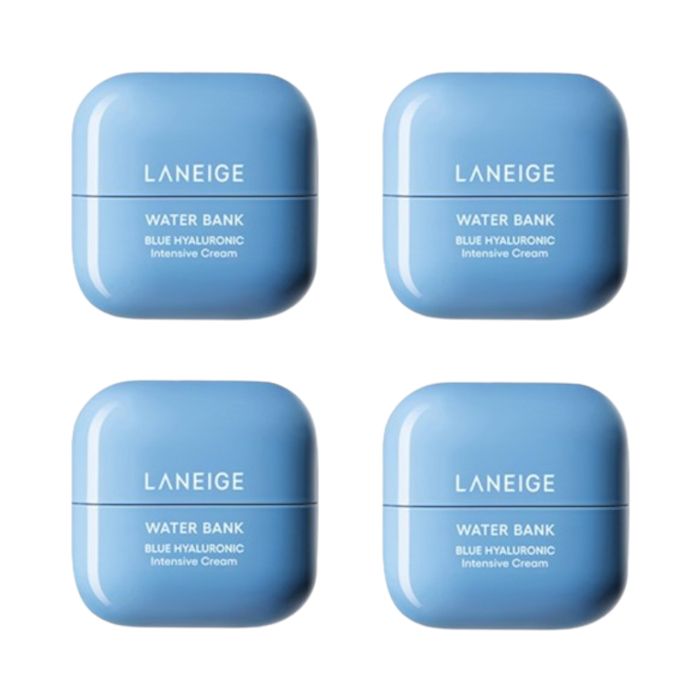
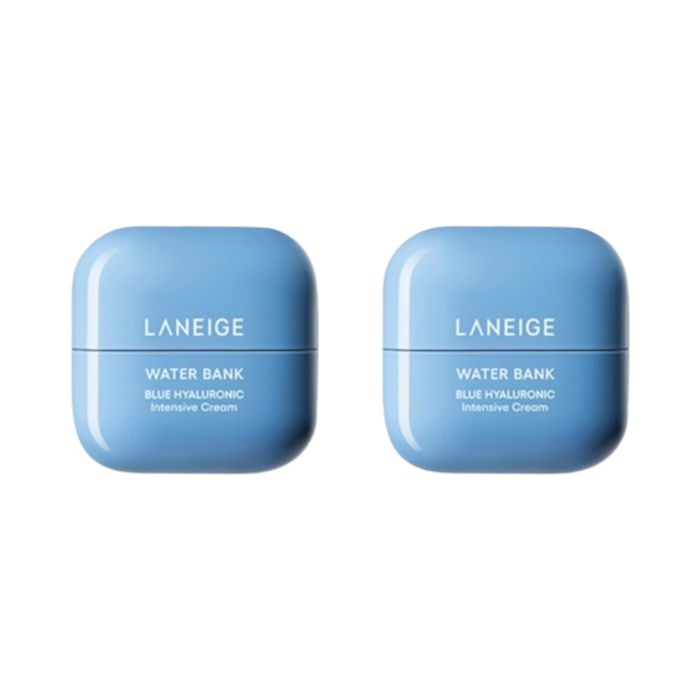
LANEIGE Water Bank Blue Hyaluronic Intensive Cream - 50ml (4ea) Set
99/100
Laneige
LANEIGE Water Bank Blue Hyaluronic Intensive Cream - 50ml (2ea) Set
99/100
LANEIGE Water Bank Blue Hyaluronic Serum - 50ml
99/100
Related ingredients
Ver también
Sources & references
Authoritative references used to score this ingredient.
Frequently asked questions
- ¿Es c14-22 alcohols seguro durante el embarazo?
- C14-22 alcohols are mixtures of long‑chain (fatty) primary alcohols (e.g., myristyl, cetyl, stearyl, behenyl). Cosmetic safety reviews (CIR) for individual long‑chain fatty alcohols (cetyl, stearyl, myristyl, behenyl, cetearyl mixtures) concluded they are safe in current cosmetic use and found no reproductive or teratogenic hazard; no harmonised reproductive classifications (H360/H361) were identified for the C14–C22 fatty alcohol group in ECHA’s public substance pages. Dermal absorption of long‑chain fatty alcohols is low, so systemic exposure from topical cosmetic use is low but measurable. (Sources: CIR ingredient pages; ECHA substance information; PubMed reproductive studies for behenyl/long‑chain alcohols).
- ¿Es c14-22 alcohols seguro durante la lactancia?
- There is no evidence from CIR reviews or peer‑reviewed studies that long‑chain fatty alcohols cause reproductive or lactation toxicity; they are not identified as developmental or lactation hazards in available dossiers. Topical use would give low systemic exposure and therefore low likelihood of transfer into breastmilk under usual cosmetic use conditions. (Sources: CIR, ECHA registration summaries, PubMed).
- ¿Es c14-22 alcohols seguro para la piel del bebé?
- No infant‑specific reproductive/safety hazards were identified in CIR or the peer‑reviewed literature for C14–C22 fatty alcohols; CIR conclusions for cetyl/stearyl/behenyl/myristyl indicate 'safe as used'. However immature infant skin has higher per‑kg exposure and increased permeability; given low but measurable dermal absorption in adults I increase the exposure score for babies by +1 (adult e=1 → baby e=2). There is no infant‑specific evidence to change hazard (h) or mechanism (m). (Sources: CIR reviews; PubMed studies; ECHA registration/draft assessments; EWG ingredient listing).
- ¿Cómo puntúa VeriMom a c14-22 alcohols?
- VeriMom puntúa c14-22 alcohols en 93/100 (sin riesgos conocidos) según el estado EU CosIng, clasificaciones ECHA y estudios PubMed.
- ¿Cuáles son las alternativas seguras a c14-22 alcohols en el embarazo?
- Consulta nuestra lista de alternativas seguras a c14-22 alcohols según función similar y clasificación sin riesgos conocidos.
Revisa tus propios cosméticos
Pega la lista de ingredientes de cualquier producto en nuestro verificador gratuito y mira cada ingrediente evaluado con datos regulatorios de la UE e investigación revisada por pares.
Abrir el verificador de ingredientes seguros en el embarazoComprueba cualquier etiqueta en 2 segundos
Descarga VeriMom gratis — escanea cualquier producto y ve la puntuación de seguridad en el embarazo al instante.
Aviso Médico
Esta información es solo para fines educativos y no constituye asesoramiento médico. Las puntuaciones de seguridad se basan en datos disponibles públicamente y pueden no reflejar todos los riesgos. Siempre consulte a su profesional de salud antes de usar cualquier producto durante el embarazo o la lactancia.