 VeriMom
¿Es bis(tripeptide-1) copper acetate seguro durante el embarazo?
Reviewed by VeriMom Editorial Team · Last reviewed
Ingredientes
bis(tripeptide-1) copper acetate
SIN RIESGOS CONOCIDOS100
/100
0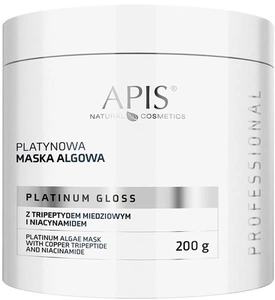
Pregnancy-safe products containing bis(tripeptide-1) copper acetate
APIS
APIS Platinum Gloss Algae Mask
99/100
Neova Smart Skincare
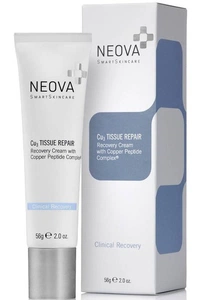
Neova Smart Skincare Cu3 Tissue Repair Copper Peptide Complex®
99/100
Neova
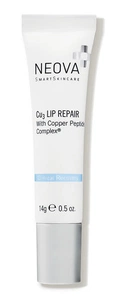
Neova Cu3 Lip Repair
99/100
Revolution Pro
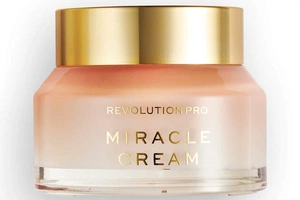
Revolution Pro Miracle Cream
98/100
Lirene
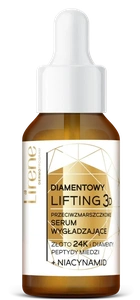
Lirene Diamond Lifting 3D Anti-Wrinkle Smoothing Serum
97/100
Essano
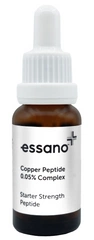
Essano Copper Peptide 0.05 % Complex (pro-ageing Facial Serum)
97/100
Lirene
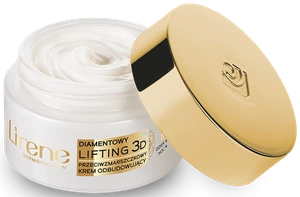
Lirene Diamond Lifting 3D Anti-Wrinkle Restructuring Cream 70+
97/100
Nooance
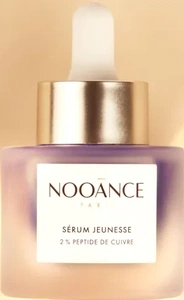
Nooance Sérum Peptides De Cuivre 2%
97/100
Revolution Skincare
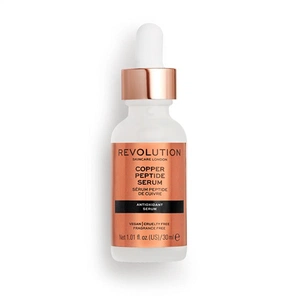
Revolution Skincare Copper Peptide Serum
97/100
Lirene
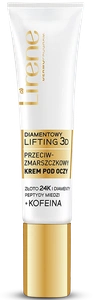
Lirene Diamond Lifting 3D Anti-Wrinkle Eye Cream
96/100
Related ingredients
Ver también
Sources & references
Authoritative references used to score this ingredient.
Frequently asked questions
- ¿Es bis(tripeptide-1) copper acetate seguro durante el embarazo?
- No harmonised CLP reproductive classification (ECHA Annex VI) or SCCS/CIR safety assessment indicating reproductive hazard for bis(tripeptide-1) copper acetate or GHK-Cu. Peer-reviewed literature and safety databases do not report developmental or teratogenic effects from topical use of copper peptides, and they are generally considered low systemic hazard when used cosmetically (sources: ECHA Annex VI, PubChem, CosIng, PubMed summaries).
- ¿Es bis(tripeptide-1) copper acetate seguro durante la lactancia?
- No specific evidence of lactation/transfer-to-milk or breastfed-infant effects from topical copper peptides. No regulatory (harmonised) reproductive/lactation hazard classification found; systemic exposure from cosmetic topical use is expected to be negligible (sources: PubChem, CosIng, PubMed).
- ¿Es bis(tripeptide-1) copper acetate seguro para la piel del bebé?
- No infant-specific reproductive or developmental toxicity data identified. While adult topical absorption is expected to be negligible, immature infant skin increases potential percutaneous uptake; therefore exposure score is increased by +1 for 0–3 yr skin. No evidence indicates specific hazard to infants from topical use of copper tripeptides (sources: PubMed, CosIng, EWG).
- ¿Cómo puntúa VeriMom a bis(tripeptide-1) copper acetate?
- VeriMom puntúa bis(tripeptide-1) copper acetate en 100/100 (sin riesgos conocidos) según el estado EU CosIng, clasificaciones ECHA y estudios PubMed.
- ¿Cuáles son las alternativas seguras a bis(tripeptide-1) copper acetate en el embarazo?
- Consulta nuestra lista de alternativas seguras a bis(tripeptide-1) copper acetate según función similar y clasificación sin riesgos conocidos.
Comprueba cualquier etiqueta en 2 segundos
Descarga VeriMom gratis — escanea cualquier producto y ve la puntuación de seguridad en el embarazo al instante.
Aviso Médico
Esta información es solo para fines educativos y no constituye asesoramiento médico. Las puntuaciones de seguridad se basan en datos disponibles públicamente y pueden no reflejar todos los riesgos. Siempre consulte a su profesional de salud antes de usar cualquier producto durante el embarazo o la lactancia.