 VeriMom
¿Es bis-ethylhexyloxyphenol methoxyphenyl triazine seguro durante el embarazo?
Reviewed by VeriMom Editorial Team · Last reviewed
Ingredientes
bis-ethylhexyloxyphenol methoxyphenyl triazine
SIN RIESGOS CONOCIDOS93
/100
0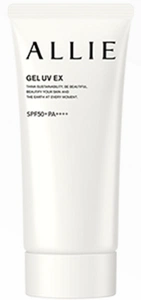
Pregnancy-safe products containing bis-ethylhexyloxyphenol methoxyphenyl triazine
Allie
Allie Chrono Beauty Gel UV Ex SPF50+ Pa++++
99/100
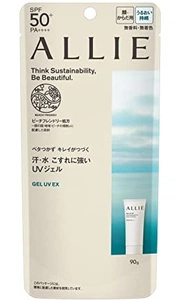
Allie
Allie Chrono Beauty Gel UV Ex Sunscreen SPF50+ Pa++++
99/100
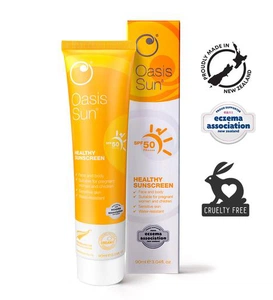
Oasis
Oasis Sun Healthy Sunscreen Spf50 Pa++++
99/100
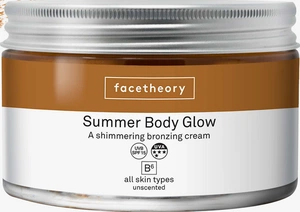
Facetheory
facetheory Summer Body Glow B6 SPF 15
99/100
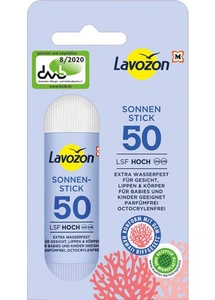
Lavozon
Lavozon Sonnenstick LSF 50 Octocrylenfrei
98/100
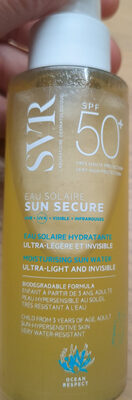
SVR
sun secure
98/100
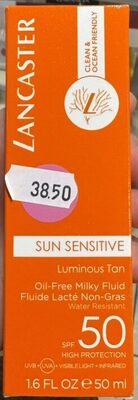
Lancaster
Fluide lacté non-gras SPF 50 Sun Sensitive
98/100
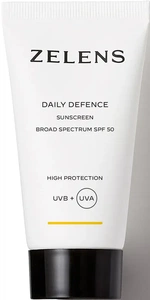
Zelens
Zelens Daily Defence Sunscreen Broad Spectrum SPF 50
98/100
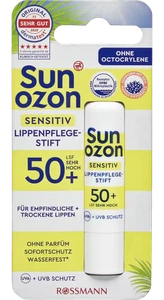
Sun Ozon
Sun Ozon Sensitiv Lippenpflegestift Lsf 50+
98/100
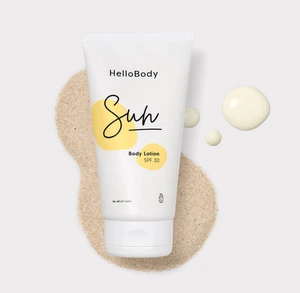
Hello Body
Hello Body SUN SPF 30
98/100
Related ingredients
Ver también
Sources & references
Authoritative references used to score this ingredient.
Frequently asked questions
- ¿Es bis-ethylhexyloxyphenol methoxyphenyl triazine seguro durante el embarazo?
- Bemotrizinol (INCI: bis‑ethylhexyloxyphenol methoxyphenyl triazine, CAS 187393‑00‑6) is an organic UV filter approved for topical sunscreen use in the EU. SCCS opinions and ECHA registration data indicate low systemic absorption after topical application and no harmonised reproductive hazard classification (no H360/H361 in ECHA Annex VI). No credible animal or human reproductive toxicity data contravening ‘safe as used’ were identified, so hazard and mechanism scores are 0; exposure is scored 1 because measurable but low per regulatory safety assessments (SCCS/ECHA).
- ¿Es bis-ethylhexyloxyphenol methoxyphenyl triazine seguro durante la lactancia?
- Same rationale as pregnancy: no harmonised classification or reproductive hazard signals in SCCS/ECHA; topical use gives low but measurable systemic exposure per SCCS/ECHA/PubChem data, so exposure scored 1. No data found demonstrating breastmilk transfer or lactation-specific effects.
- ¿Es bis-ethylhexyloxyphenol methoxyphenyl triazine seguro para la piel del bebé?
- Hazard and mechanism remain 0 (no reproductive or endocrine hazard identified in authoritative reviews). Exposure increased to 2 for infants 0–3 yr because infant skin has higher permeability and higher surface‑area‑to‑body‑weight ratio; regulatory reviews note measurable absorption of bemotrizinol after topical use, so infant exposure is moderately elevated versus adults.
- ¿Cómo puntúa VeriMom a bis-ethylhexyloxyphenol methoxyphenyl triazine?
- VeriMom puntúa bis-ethylhexyloxyphenol methoxyphenyl triazine en 93/100 (sin riesgos conocidos) según el estado EU CosIng, clasificaciones ECHA y estudios PubMed.
- ¿Cuáles son las alternativas seguras a bis-ethylhexyloxyphenol methoxyphenyl triazine en el embarazo?
- Consulta nuestra lista de alternativas seguras a bis-ethylhexyloxyphenol methoxyphenyl triazine según función similar y clasificación sin riesgos conocidos.
Revisa tus propios cosméticos
Pega la lista de ingredientes de cualquier producto en nuestro verificador gratuito y mira cada ingrediente evaluado con datos regulatorios de la UE e investigación revisada por pares.
Abrir el verificador de ingredientes seguros en el embarazoComprueba cualquier etiqueta en 2 segundos
Descarga VeriMom gratis — escanea cualquier producto y ve la puntuación de seguridad en el embarazo al instante.
Aviso Médico
Esta información es solo para fines educativos y no constituye asesoramiento médico. Las puntuaciones de seguridad se basan en datos disponibles públicamente y pueden no reflejar todos los riesgos. Siempre consulte a su profesional de salud antes de usar cualquier producto durante el embarazo o la lactancia.