 VeriMom
¿Es behenic acid seguro durante el embarazo?
Reviewed by VeriMom Editorial Team · Last reviewed
Ingredientes
behenic acid
SIN RIESGOS CONOCIDOS100
/100
0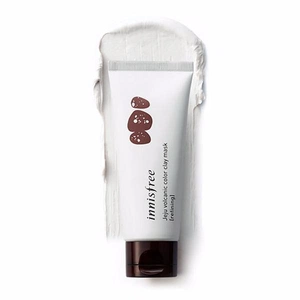
Pregnancy-safe products containing behenic acid
Innisfree
innisfree Jeju Volcanic Color Clay Mask White (Refining)
99/100
IOPE
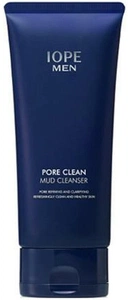
IOPE Men Pore Clean Mud Cleanser
99/100
Innisfree
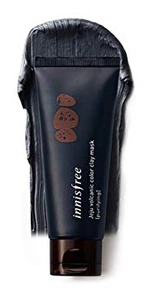
innisfree Jeju Volcanic Color Clay Mask Black (Purifying)
99/100
SKINRx LAB
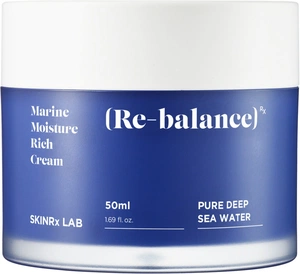
SKINRx LAB Marine Moisture Rich Cream
99/100
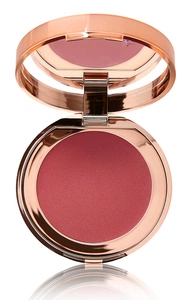
Charlotte Tilbury
Charlotte Tilbury Pillow Talk Lip And Cheek Glow
99/100
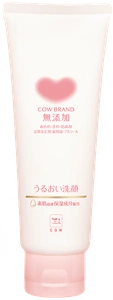
Cow Brand
Cow Brand Moisturizing Facial Foam
99/100
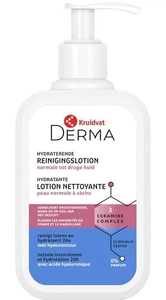
Kruidvat Derma
Kruidvat Derma Cleansing Lotion - Hydraterende Reinigingslotion - Hydratante Lotion Nettoyante
99/100
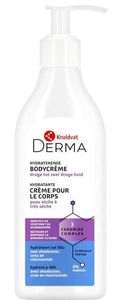
Kruidvat Derma
Kruidvat Derma Body Cream - Hydraterende Bodycrème - Hydratante Crème Corps
98/100
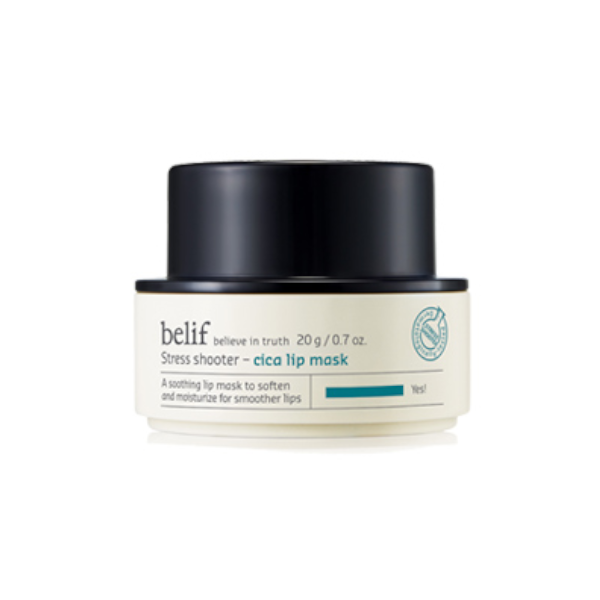
belif
Belif Stress Shooter - Cica Lip Mask - 20g
98/100
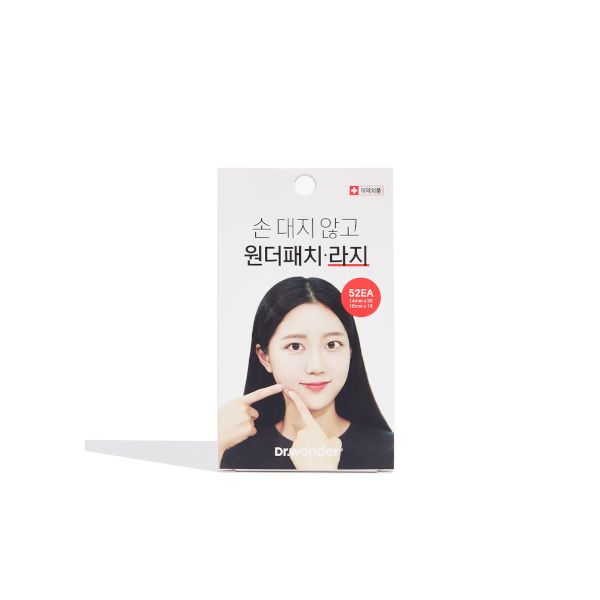
Dr. wonder Wonder Patch Large - 52pcs
98/100
Related ingredients
Ver también
Sources & references
Authoritative references used to score this ingredient.
Frequently asked questions
- ¿Es behenic acid seguro durante el embarazo?
- Behenic acid (docosanoic acid) is a long‑chain saturated fatty acid used as an emollient and is not listed with a harmonised reproductive hazard classification under ECHA Annex VI, and there are no CIR or SCCS findings indicating reproductive toxicity; available toxicology sources (PubChem, CosIng) report low systemic toxicity and no reproductive signals. Topical cosmetic use is expected to give negligible systemic exposure based on chemical class and use pattern (emollient, high molecular weight/low volatility). Sources: ECHA Annex VI (no harmonised CLP for reproductive effects), CIR, PubChem, CosIng.
- ¿Es behenic acid seguro durante la lactancia?
- No evidence of reproductive or lactation-specific hazards in authoritative reviews; no mechanism identified for transfer into milk or effects on lactation in available data (PubChem, CIR). Given negligible dermal absorption from typical cosmetic uses, maternal topical use is unlikely to produce milk concentrations of concern. Sources: CIR, PubChem, CosIng.
- ¿Es behenic acid seguro para la piel del bebé?
- No evidence of developmental toxicity or infant‑specific hazards (h=0, m=0). However, because infant skin has higher surface‑area‑to‑weight and a less mature barrier, dermal exposure is likely somewhat greater than in adults; therefore exposure score is increased to e=1 for 0–3 yr when used topically. Sources: CIR, PubChem, CosIng (no infant‑specific adverse data).
- ¿Cómo puntúa VeriMom a behenic acid?
- VeriMom puntúa behenic acid en 100/100 (sin riesgos conocidos) según el estado EU CosIng, clasificaciones ECHA y estudios PubMed.
- ¿Cuáles son las alternativas seguras a behenic acid en el embarazo?
- Consulta nuestra lista de alternativas seguras a behenic acid según función similar y clasificación sin riesgos conocidos.
Revisa tus propios cosméticos
Pega la lista de ingredientes de cualquier producto en nuestro verificador gratuito y mira cada ingrediente evaluado con datos regulatorios de la UE e investigación revisada por pares.
Abrir el verificador de ingredientes seguros en el embarazoComprueba cualquier etiqueta en 2 segundos
Descarga VeriMom gratis — escanea cualquier producto y ve la puntuación de seguridad en el embarazo al instante.
Aviso Médico
Esta información es solo para fines educativos y no constituye asesoramiento médico. Las puntuaciones de seguridad se basan en datos disponibles públicamente y pueden no reflejar todos los riesgos. Siempre consulte a su profesional de salud antes de usar cualquier producto durante el embarazo o la lactancia.