 VeriMom
¿Es ascorbic acid seguro durante el embarazo?
Reviewed by VeriMom Editorial Team · Last reviewed
Ingredientes
ascorbic acid
SIN RIESGOS CONOCIDOS93
/100
0
Pregnancy-safe products containing ascorbic acid
Juice Beauty
Juice Beauty Revitalizing Acacia + Rose Powder Mask
100/100
CadeaVera
CadeaVera CV Vitamin C Enzym Peeling Puder
99/100
ClariSea
ClariSea Pretty Skin Moisturizer
99/100
Juice Beauty
Cleansing Milk
99/100
cleansers
certex
Hand-wash Antibacterial
99/100
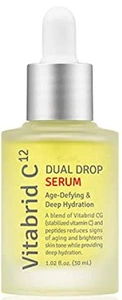
Vitabrid C12
Vitabrid C12 Vitamin C Dual Drop Serum
99/100
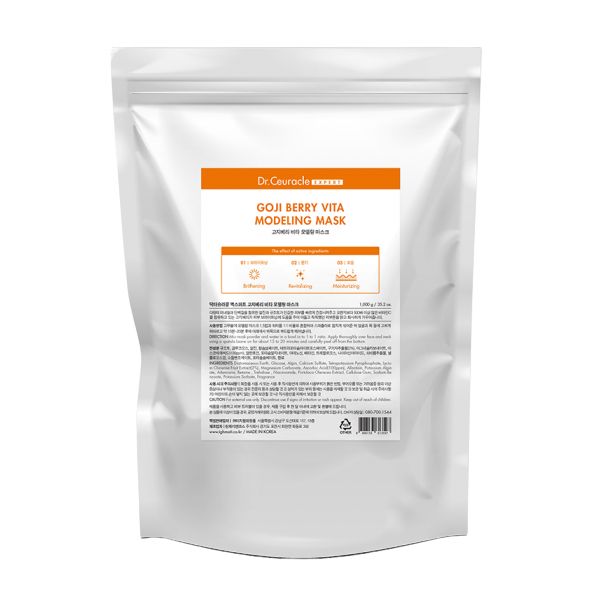
Dr.Ceuracle Goji Berry Vita Modeling Mask - 1000g
99/100
Edible Beauty
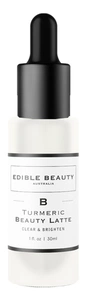
Edible Beauty Tumeric Beauty Latte
99/100
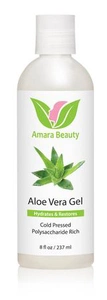
Amara Beauty
Amara Beauty Aloe Vera Gel
99/100
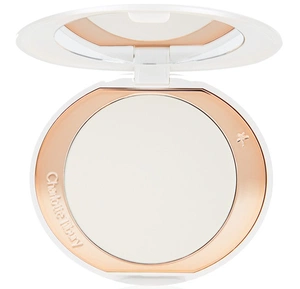
Charlotte Tilbury
Charlotte Tilbury Airbrush Brightening Flawless Finish Powder
99/100
Related ingredients
Ver también
Sources & references
Authoritative references used to score this ingredient.
Frequently asked questions
- ¿Es ascorbic acid seguro durante el embarazo?
- Ascorbic acid (vitamin C, CAS 50-81-7) is not assigned a harmonised reproductive hazard (no H360/H361 in ECHA Annex VI) and has been assessed as safe for cosmetic topical use by expert panels (CIR). Mechanistically it is an antioxidant/vitamin with no established reproductive endocrine mode of action. Topical exposure can result in low but measurable systemic absorption for a small, water‑soluble molecule, so exposure is scored low (e=1). Sources: CIR safety assessment, ECHA Annex VI (no harmonised repro classification), PubChem, PubMed literature on topical vitamin C.
- ¿Es ascorbic acid seguro durante la lactancia?
- No evidence of reproductive or lactation-specific hazard; no harmonised classification. Ascorbic acid is transferred into plasma when systemically present and can be present in milk if maternal systemic levels are elevated, but topical cosmetic use results in low measurable systemic exposure, so exposure is scored low (e=1). Sources: CIR, PubMed, PubChem.
- ¿Es ascorbic acid seguro para la piel del bebé?
- No infant-specific evidence of reproductive or developmental toxicity from topical ascorbic acid; mechanism remains non‑endocrine. Because infant skin has higher surface-area-to-weight and an immature barrier, topical measurable absorption leads to an increased exposure score (+1 vs adult), giving e=2. No data justify increasing hazard or mechanism scores for infants. Sources: CIR, PubMed, CosIng, general dermal absorption principles.
- ¿Cómo puntúa VeriMom a ascorbic acid?
- VeriMom puntúa ascorbic acid en 93/100 (sin riesgos conocidos) según el estado EU CosIng, clasificaciones ECHA y estudios PubMed.
- ¿Cuáles son las alternativas seguras a ascorbic acid en el embarazo?
- Consulta nuestra lista de alternativas seguras a ascorbic acid según función similar y clasificación sin riesgos conocidos.
Revisa tus propios cosméticos
Pega la lista de ingredientes de cualquier producto en nuestro verificador gratuito y mira cada ingrediente evaluado con datos regulatorios de la UE e investigación revisada por pares.
Abrir el verificador de ingredientes seguros en el embarazoComprueba cualquier etiqueta en 2 segundos
Descarga VeriMom gratis — escanea cualquier producto y ve la puntuación de seguridad en el embarazo al instante.
Aviso Médico
Esta información es solo para fines educativos y no constituye asesoramiento médico. Las puntuaciones de seguridad se basan en datos disponibles públicamente y pueden no reflejar todos los riesgos. Siempre consulte a su profesional de salud antes de usar cualquier producto durante el embarazo o la lactancia.