 VeriMom
¿Es apigenin seguro durante el embarazo?
No EU Annex II/III listing or harmonised CLP reproductive/CMR classification was found for apigenin (CAS 520-36-5), and no authoritative CIR/SCCS safety opinion identifying a reproductive hazard was found; peer‑reviewed literature reports in‑vitro estrogenic/sex‑hormone–modulating activity for apigenin (mechanistic evidence) but not clear human teratogenic or harmonised animal reproductive hazard leading to regulatory classification, so hazard = 0; mechanism = 2 because in‑vitro estrogenic and endocrine‑modulating activity has been demonstrated. Topical dermal absorption from cosmetics is reported as low but measurable depending on formulation (ex vivo permeation varies with vehicle), therefore exposure = 1. � Sources: PubMed/PMC reviews on apigenin bioactivity and skin use; ex vivo skin permeation review; COSING/ingredient databases.
Pregnancy-safe products containing apigenin

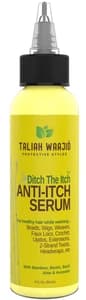
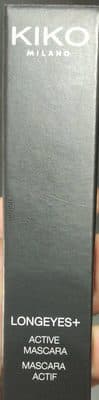



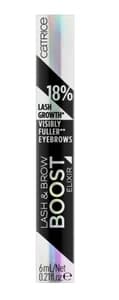
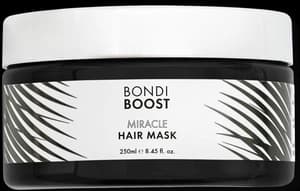

Related ingredients
Frequently asked questions
- ¿Es apigenin seguro durante el embarazo?
- No EU Annex II/III listing or harmonised CLP reproductive/CMR classification was found for apigenin (CAS 520-36-5), and no authoritative CIR/SCCS safety opinion identifying a reproductive hazard was found; peer‑reviewed literature reports in‑vitro estrogenic/sex‑hormone–modulating activity for apigenin (mechanistic evidence) but not clear human teratogenic or harmonised animal reproductive hazard leading to regulatory classification, so hazard = 0; mechanism = 2 because in‑vitro estrogenic and endocrine‑modulating activity has been demonstrated. Topical dermal absorption from cosmetics is reported as low but measurable depending on formulation (ex vivo permeation varies with vehicle), therefore exposure = 1. � Sources: PubMed/PMC reviews on apigenin bioactivity and skin use; ex vivo skin permeation review; COSING/ingredient databases.
- ¿Es apigenin seguro durante la lactancia?
- Same rationale as pregnancy: no regulatory reproductive/CMR classification or CIR/SCCS restriction found. Mechanistic data show apigenin can modulate hormone pathways (in vitro) which is relevant to lactation physiology but no convincing data show human reproductive or lactation toxicity. Dermal exposure from cosmetics is low but measurable, so adult breastfeeding exposure = 1. Sources: peer‑reviewed reviews on apigenin pharmacology and topical use; COSING/EWG entries.
- ¿Es apigenin seguro para la piel del bebé?
- No infant‑specific developmental toxicity or dermal teratogenicity data were found and no regulatory ban/restriction for apigenin. Mechanistic evidence (in‑vitro estrogenic/endocrine‑modulating activity) remains (m=2). Exposure score increased by +1 for infants (e=2) because topical absorption through infant skin is higher (immature barrier, higher surface‑area‑to‑weight) and formulation/permeation studies show apigenin can permeate skin depending on vehicle; therefore infant dermal exposure is likely higher than adult. Sources: reviews showing skin permeation and cosmetic use, PubMed mechanistic literature, COSING database.
- ¿Cómo puntúa VeriMom a apigenin?
- VeriMom puntúa apigenin en 80/100 (riesgo bajo) según el estado EU CosIng, clasificaciones ECHA y estudios PubMed.
- ¿Cuáles son las alternativas seguras a apigenin en el embarazo?
- Consulta nuestra lista de alternativas seguras a apigenin según función similar y clasificación sin riesgos conocidos.
Comprueba cualquier etiqueta en 2 segundos
Descarga VeriMom gratis — escanea cualquier producto y ve la puntuación de seguridad en el embarazo al instante.
Aviso Médico
Esta información es solo para fines educativos y no constituye asesoramiento médico. Las puntuaciones de seguridad se basan en datos disponibles públicamente y pueden no reflejar todos los riesgos. Siempre consulte a su profesional de salud antes de usar cualquier producto durante el embarazo o la lactancia.