 VeriMom
¿Es ammonium hydroxide seguro durante el embarazo?
Reviewed by VeriMom Editorial Team · Last reviewed
Ingredientes
ammonium hydroxide
SIN RIESGOS CONOCIDOS93
/100
0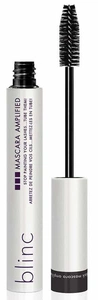
Pregnancy-safe products containing ammonium hydroxide
blinc
blinc Mascara Amplified
98/100
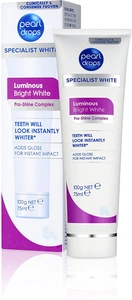
Pearl Drops
Pearl Drops Luminous Bright White Toothpaste
98/100
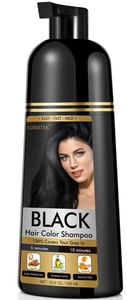
Cosmtek
Cosmtek Black Hair Color Shampoo
96/100
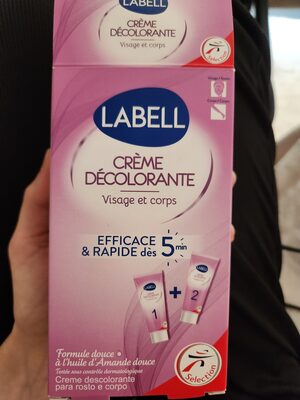
Labell
Crème décolorante
96/100
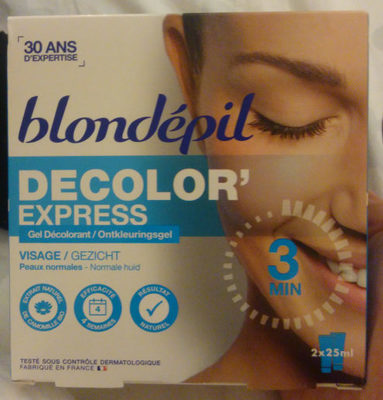
Blondépil
Gel Décolor' Express visage
88/100
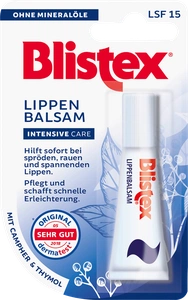
Blistex
Blistex Lippenbalsam
87/100
makeup
Dior
Coffret Diorshow - Mascara Et Base-Sérum Mascara - Volume Et Courbe - Coffret 2 Produits
87/100
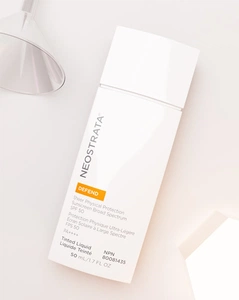
Neostrata
Neostrata Sheer Physical Sunscreen Spf50
86/100
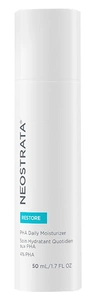
Neostrata
Neostrata Pha Daily Moisturizer
86/100
Neostrata
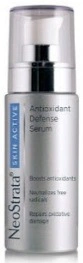
Neostrata Skin Active Antioxidant Defense Serum
86/100
Related ingredients
Ver también
Sources & references
Authoritative references used to score this ingredient.
Frequently asked questions
- ¿Es ammonium hydroxide seguro durante el embarazo?
- ECHA (harmonised CLP Annex VI) classifies ammonium hydroxide for skin corrosion (H314) and environmental toxicity (H400) but there is no harmonised reproductive classification (H360/H361) or authoritative SCCS/CIR finding of reproductive hazard. The principal hazard is local corrosivity; systemic reproductive toxicity is not indicated in the regulatory classification or available authoritative summaries. Topical cosmetic/low‑concentration exposure would be expected to give low but potentially measurable systemic exposure; local irritation/burn risk is the main concern (ECHA Annex VI, PubChem GHS).
- ¿Es ammonium hydroxide seguro durante la lactancia?
- No harmonised or authoritative data indicating reproductive or lactation-specific toxicity. Main risk is local corrosive/irritant effects; systemic uptake at typical dilute cosmetic concentrations is expected to be low but non‑zero, so precaution for breastfeeding individuals centers on avoiding skin burns and accidental ingestion/inhalation rather than known effects on milk or infant development (ECHA Annex VI, PubChem).
- ¿Es ammonium hydroxide seguro para la piel del bebé?
- No evidence of reproductive or developmental toxicity specific to infants; however, ammonium hydroxide is a skin/eye corrosive (H314). Because infant skin has a thinner barrier and higher surface‑area‑to‑weight ratio, absorption/impact from topical exposure is of greater concern than in adults, so exposure score is increased. The primary hazard is local chemical burn rather than systemic developmental toxicity (ECHA Annex VI, PubChem).
- ¿Cómo puntúa VeriMom a ammonium hydroxide?
- VeriMom puntúa ammonium hydroxide en 93/100 (sin riesgos conocidos) según el estado EU CosIng, clasificaciones ECHA y estudios PubMed.
- ¿Cuáles son las alternativas seguras a ammonium hydroxide en el embarazo?
- Consulta nuestra lista de alternativas seguras a ammonium hydroxide según función similar y clasificación sin riesgos conocidos.
Comprueba cualquier etiqueta en 2 segundos
Descarga VeriMom gratis — escanea cualquier producto y ve la puntuación de seguridad en el embarazo al instante.
Aviso Médico
Esta información es solo para fines educativos y no constituye asesoramiento médico. Las puntuaciones de seguridad se basan en datos disponibles públicamente y pueden no reflejar todos los riesgos. Siempre consulte a su profesional de salud antes de usar cualquier producto durante el embarazo o la lactancia.