 VeriMom
¿Es alkanna tinctoria root extract seguro durante el embarazo?
Reviewed by VeriMom Editorial Team · Last reviewed
Ingredientes
alkanna tinctoria root extract
SIN RIESGOS CONOCIDOS100
/100
0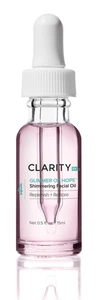
Pregnancy-safe products containing alkanna tinctoria root extract
Clarity Rx
Clarity Rx Glimmer Of Hope™ Shimmering Facial Oil
99/100
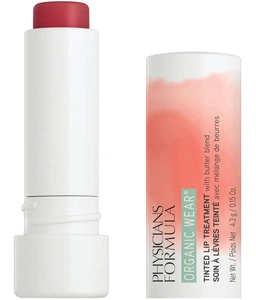
physicians formula
Physicians Formula Organic Wear Tinted Lip Treatment - Love Bite
99/100
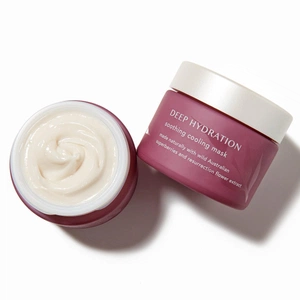
Tropic
Tropic Deep Hydration Mask
98/100
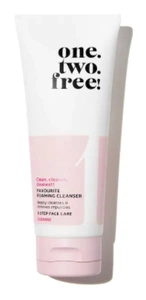
one.two.free!
one.two.free! Favourite Foaming Cleanser
98/100
Medicube
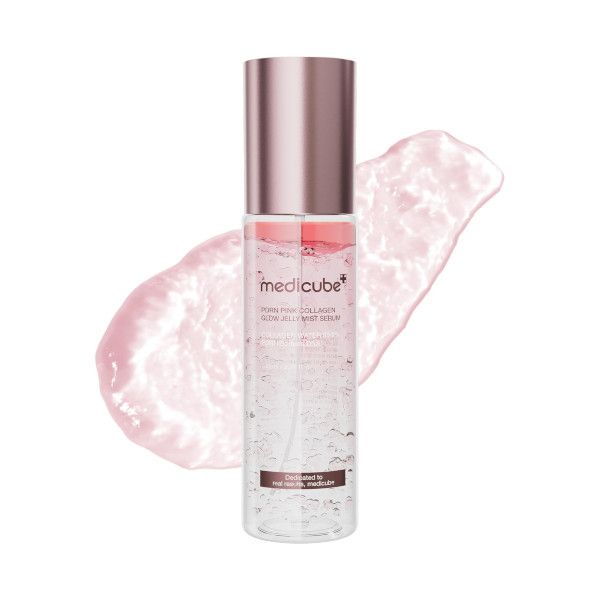
medicube PDRN Pink Collagen Glow Jelly Mist Serum - 100ml
98/100
Heremco Pharmaceuticals
Heremco Pharmaceuticals Histoplastin Red
98/100
Medicube
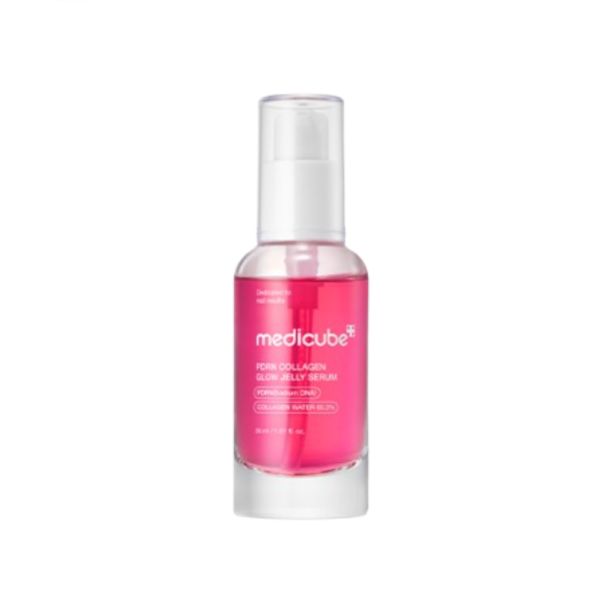
medicube PDRN Collagen Glow Jelly Serum - 30ml
98/100
Beauty Glam
Beauty Glam Deeply Nourishing Mask
98/100
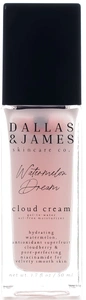
Dallas & James Skincare Co.
Dallas & James Skincare Co. Watermelon Dream Cloud Cream
98/100
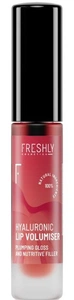
Freshly Cosmetics
Freshly Cosmetics Hyaluronic Lip Volumiser
98/100
Related ingredients
Ver también
Sources & references
Authoritative references used to score this ingredient.
Frequently asked questions
- ¿Es alkanna tinctoria root extract seguro durante el embarazo?
- No harmonised CLP reproductive classification (ECHA Annex VI) or SCCS/CIR safety assessment identifying reproductive hazard for Alkanna tinctoria root extract (CAS 517-88-4). Peer‑review literature reports bioactivity of isolated constituents (alkannin/shikonin) but does not provide clear in vivo developmental/teratogenic human or animal evidence to support a reproductive hazard; therefore default no evidence (h=0, m=0). No data showing significant dermal systemic absorption from cosmetic use (e=0). Sources: ECHA Annex VI (no harmonised CLP listed for this extract), PubChem (no GHS H360/H361 entry for the extract), PubMed (in vitro bioactivity of shikonin noted but no reproductive in vivo confirmation), CosIng/EWG listings do not indicate regulatory reproductive flags.
- ¿Es alkanna tinctoria root extract seguro durante la lactancia?
- No regulatory or authoritative assessment (SCCS/CIR/ECHA Annex VI) indicating that Alkanna tinctoria root extract is a reproductive or lactation hazard. No well‑documented evidence of transfer into milk or of lactation-related adverse effects in humans; isolated constituent data (shikonin/alkannin) show bioactivity in vitro but do not demonstrate proven lactation/offspring harm. Exposure from topical cosmetic use is not documented to produce significant systemic levels (sources as above).
- ¿Es alkanna tinctoria root extract seguro para la piel del bebé?
- No infant‑specific reproductive or developmental toxicity data found. There is no authoritative classification or safety opinion (SCCS/CIR/ECHA Annex VI) identifying a hazard to infants. Because there is no documented measurable systemic absorption from typical topical cosmetic use, the exposure score for baby skin is not increased. Note: isolated constituents (alkannin/shikonin) have in vitro biological activity, but infant‑specific absorption or toxicity data are lacking.
- ¿Cómo puntúa VeriMom a alkanna tinctoria root extract?
- VeriMom puntúa alkanna tinctoria root extract en 100/100 (sin riesgos conocidos) según el estado EU CosIng, clasificaciones ECHA y estudios PubMed.
- ¿Cuáles son las alternativas seguras a alkanna tinctoria root extract en el embarazo?
- Consulta nuestra lista de alternativas seguras a alkanna tinctoria root extract según función similar y clasificación sin riesgos conocidos.
Comprueba cualquier etiqueta en 2 segundos
Descarga VeriMom gratis — escanea cualquier producto y ve la puntuación de seguridad en el embarazo al instante.
Aviso Médico
Esta información es solo para fines educativos y no constituye asesoramiento médico. Las puntuaciones de seguridad se basan en datos disponibles públicamente y pueden no reflejar todos los riesgos. Siempre consulte a su profesional de salud antes de usar cualquier producto durante el embarazo o la lactancia.