 VeriMom
¿Es chlorhexidine digluconate seguro para la piel del bebé?
Reviewed by VeriMom Editorial Team · Last reviewed
Also relevant: pregnancy safety
Want to know if chlorhexidine digluconate is also safe during pregnancy?
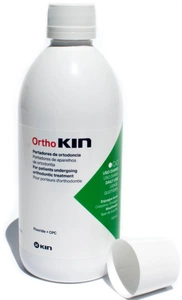
Is chlorhexidine digluconate safe during pregnancy? →Gentle products containing chlorhexidine digluconate

Sources & references
Authoritative references used to score this ingredient.
Ingredientes — Ingredientes
Ver también
Frequently asked questions
- ¿Es chlorhexidine digluconate seguro para la piel del bebé?
- Hazard and mechanism: no infant‑specific reproductive hazard evidence was found. Exposure: because infant skin (0–3 yr) has a higher surface-area-to-weight and immature barrier, a small upward adjustment to exposure is appropriate (e=1) if the ingredient is used topically on infant skin — but systemic absorption is still generally low for chlorhexidine digluconate at cosmetic use concentrations. WHO guidance notes specific clinical uses (umbilical cord care) where chlorhexidine digluconate is used medically, but that reflects antiseptic use at higher concentrations and specific benefit/risk contexts. (CIR; PubMed/WHO cord-care literature).
- ¿Es chlorhexidine digluconate seguro para recién nacidos?
- Hazard and mechanism: no infant‑specific reproductive hazard evidence was found. Exposure: because infant skin (0–3 yr) has a higher surface-area-to-weight and immature barrier, a small upward adjustment to exposure is appropriate (e=1) if the ingredient is used topically on infant skin — but systemic absorption is still generally low for chlorhexidine digluconate at cosmetic use concentrations. WHO guidance notes specific clinical uses (umbilical cord care) where chlorhexidine digluconate is used medically, but that reflects antiseptic use at higher concentrations and specific benefit/risk contexts. (CIR; PubMed/WHO cord-care literature).
- ¿Puedo usar chlorhexidine digluconate en un bebé menor de 6 meses?
- No tenemos datos específicos sobre chlorhexidine digluconate para piel de bebé. Prioriza ingredientes sin riesgos conocidos.
- ¿Cuáles son las alternativas más seguras a chlorhexidine digluconate para bebés?
- Consulta nuestra lista de alternativas seguras a chlorhexidine digluconate según función similar y clasificación sin riesgos conocidos.
- ¿Cómo valora VeriMom a chlorhexidine digluconate para la piel del bebé?
- VeriMom puntúa chlorhexidine digluconate en 93/100 (sin riesgos conocidos) según el estado EU CosIng, clasificaciones ECHA y estudios PubMed.
Revisa tus propios cosméticos
Pega la lista de ingredientes de cualquier producto en nuestro verificador gratuito y mira cada ingrediente evaluado con datos regulatorios de la UE e investigación revisada por pares.
Abrir el verificador de ingredientes seguros en el embarazoComprueba cualquier etiqueta en 2 segundos
Descarga VeriMom gratis — escanea cualquier producto y ve la puntuación de seguridad en el embarazo al instante.
Aviso Médico
Esta información es solo para fines educativos y no constituye asesoramiento médico. Las puntuaciones de seguridad se basan en datos disponibles públicamente y pueden no reflejar todos los riesgos. Siempre consulte a su profesional de salud antes de usar cualquier producto durante el embarazo o la lactancia.