 VeriMom
¿Debo evitar thiourea durante el embarazo? | VeriMom
Reviewed by VeriMom Editorial Team · Last reviewed
ECHA regulatory hazard statements
- •H351
- •H361D
What to use instead
Pregnancy-safe ingredients that serve a similar function:
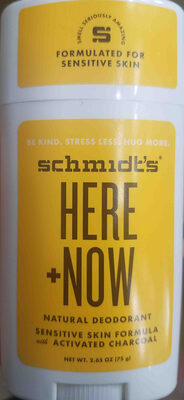
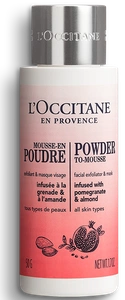
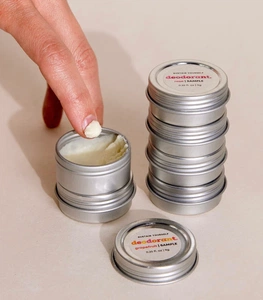
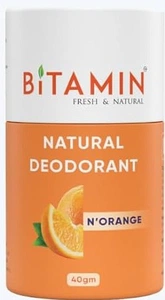
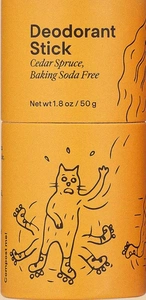
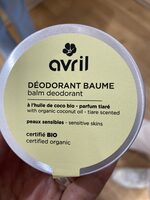
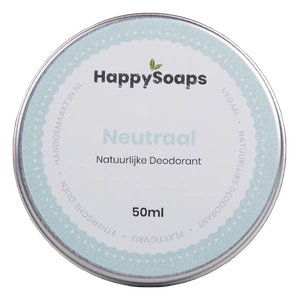
Pregnancy-safe products to use instead
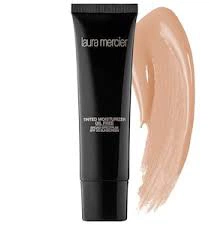
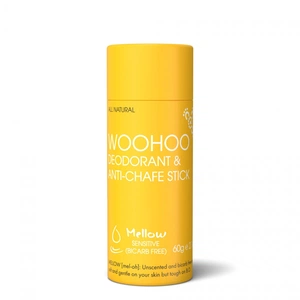
Products built around the safer ingredients above, scored "no known risks" or "low risk".
Sources & references
Authoritative references used to score this ingredient.
Alternativas seguras a thiourea en el embarazo | VeriMom
Ingredientes — Ingredientes
Ver también
FAQ
- ¿Es thiourea seguro durante el embarazo?
- Thiourea is listed with a harmonised reproductive/developmental hazard (H361d — 'suspected of damaging the unborn child') by EU sources, and experimental studies show it inhibits thyroid hormone synthesis (antithyroid action) which can cause developmental effects in animals; this provides a suspected reproductive hazard and a demonstrated mechanism (thyroid inhibition). Topical cosmetic use would likely give low but measurable systemic exposure (no dermal absorption data specific to cosmetic formulations found). ([echa.europa.eu](https://echa.europa.eu/documents/10162/8cf0cdee-7849-4008-99d7-d4cc17706614?utm_source=openai))
- ¿Es thiourea seguro durante la lactancia?
- Hazard and mechanism mirror pregnancy: harmonised H361d and demonstrated antithyroid activity in animals. There are no robust data on transfer of thiourea into human milk after topical exposure, so breastfeeding exposure is judged low but potentially measurable from systemic absorption; the developmental risk pathway (maternal hypothyroidism or direct exposure) remains plausible based on animal and mechanistic data. ([echa.europa.eu](https://echa.europa.eu/documents/10162/8cf0cdee-7849-4008-99d7-d4cc17706614?utm_source=openai))
- ¿Es thiourea seguro para la piel del bebé?
- The same suspected developmental hazard (H361d) and demonstrated antithyroid mechanism apply. For baby (0–3 yr) skin, exposure score is increased by +1 because infant skin is more permeable and surface-area-to-body-weight higher; given measurable dermal absorption in adults is plausible, infant exposure is assessed as moderate. No infant-specific toxicokinetic or dermal absorption studies were located. ([echa.europa.eu](https://echa.europa.eu/documents/10162/8cf0cdee-7849-4008-99d7-d4cc17706614?utm_source=openai))
- ¿Cómo puntúa VeriMom a thiourea?
- VeriMom puntúa thiourea en 20/100 (riesgo alto) según el estado EU CosIng, clasificaciones ECHA y estudios PubMed.
- ¿Cuáles son las alternativas seguras a thiourea en el embarazo?
- Consulta nuestra lista de alternativas seguras a thiourea según función similar y clasificación sin riesgos conocidos.
Revisa tus propios cosméticos
Pega la lista de ingredientes de cualquier producto en nuestro verificador gratuito y mira cada ingrediente evaluado con datos regulatorios de la UE e investigación revisada por pares.
Abrir el verificador de ingredientes seguros en el embarazoComprueba cualquier etiqueta en 2 segundos
Descarga VeriMom gratis — escanea cualquier producto y ve la puntuación de seguridad en el embarazo al instante.
Aviso Médico
Esta información es solo para fines educativos y no constituye asesoramiento médico. Las puntuaciones de seguridad se basan en datos disponibles públicamente y pueden no reflejar todos los riesgos. Siempre consulte a su profesional de salud antes de usar cualquier producto durante el embarazo o la lactancia.