 VeriMom
HIGH RISK
¿Debo evitar sulindac durante el embarazo? | VeriMom
Reviewed by VeriMom Editorial Team · Last reviewed
ECHA regulatory hazard statements
- •H360
- •H361
What to use instead
Pregnancy-safe ingredients that serve a similar function:
Pregnancy-safe products to use instead
Products built around the safer ingredients above, scored "no known risks" or "low risk".
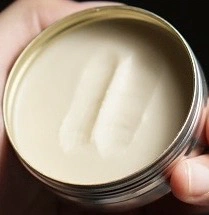
Avero
100Avero Solid Deodorant
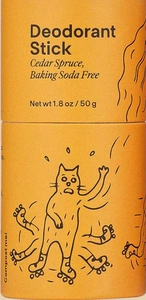
Mew mew tweet
100Mew mew tweet Cedar Spruce Baking Soda Free
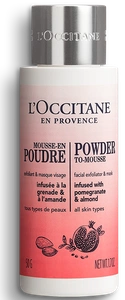
L'Occitane
100L´Occitane Powder To-mousse Facial Exfoliator
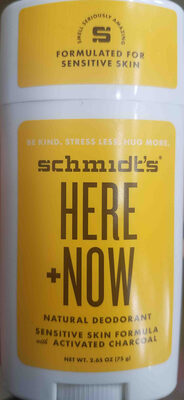
Unknown
100schmidts here now
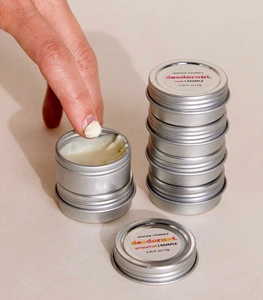
Sustain Yourself
100Sustain Yourself Natural Deodorant
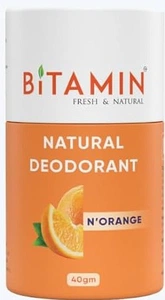
Bitamin
100Bitamin Natural Deodorant N'orange
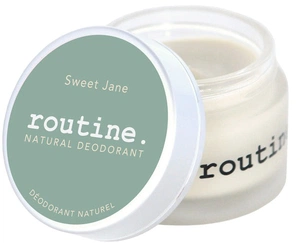
Routine
99Routine Sweet Jane Deodorant Jar
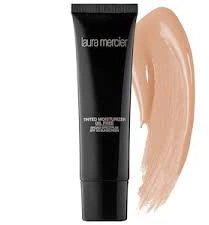
Laura Mercier
99Laura Mercier Tinted Moisturizer Broad Spectrum Spf 20 - Oil Free
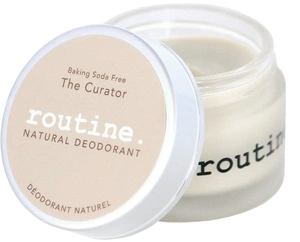
Routine
99Routine The Curator
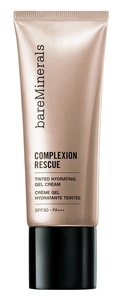
bareMinerals
99bareMinerals Complexion Rescue Tinted Hydrating Gel Cream SPF 30
Sources & references
Authoritative references used to score this ingredient.
Alternativas seguras a sulindac en el embarazo | VeriMom
Ingredientes — Ingredientes
Ver también
FAQ
- ¿Es sulindac seguro durante el embarazo?
- Sulindac is an NSAID with human and animal evidence of fetal harm (e.g., fetal renal dysfunction/oligohydramnios and ductus arteriosus effects that are class warnings for NSAIDs) and is listed by some safety sources as suspected/known developmental hazard; therefore reproductive hazard is suspected (H361 level evidence from registrants/SDSs and clinical reports). Mechanism is demonstrated COX/prostaglandin inhibition with known placental/fetal effects. Topical cosmetic use would give negligible systemic exposure compared with oral dosing; therefore exposure from a cosmetic topical route is judged negligible for adults. (Sources: LactMed (NLM), StatPearls/NCBI review of NSAIDs in pregnancy, clinical/toxicology studies; SDSs listing H361).
- ¿Es sulindac seguro durante la lactancia?
- Breastfeeding guidance (LactMed) advises avoidance or preference for alternatives because data are lacking and sulindac has a long half‑life and metabolites; systemic maternal exposure can transfer drug/metabolites to milk. Mechanism (COX inhibition/systemic distribution) is established. Topical cosmetic use would be expected to give negligible maternal systemic exposure, so direct exposure via milk from cosmetic use is expected to be negligible. (Sources: LactMed, NCBI reviews, SDSs).
- ¿Es sulindac seguro para la piel del bebé?
- No infant‑specific dermal toxicity data were found. Hazard and mechanism remain the same (suspected reproductive/developmental hazard via prostaglandin inhibition). For baby skin (0–3 yr) exposure score is increased by +1 relative to adult because infant skin barrier is immature and systemic absorption may be greater if measurable; although topical cosmetic use of sulindac is uncommon and absolute absorption is likely low, infant exposure via dermal application cannot be assumed negligible without formulation data. (Sources: LactMed, NCBI/StatPearls on NSAIDs; SDSs/EHS listings).
- ¿Cómo puntúa VeriMom a sulindac?
- VeriMom puntúa sulindac en 27/100 (riesgo alto) según el estado EU CosIng, clasificaciones ECHA y estudios PubMed.
- ¿Cuáles son las alternativas seguras a sulindac en el embarazo?
- Consulta nuestra lista de alternativas seguras a sulindac según función similar y clasificación sin riesgos conocidos.
Comprueba cualquier etiqueta en 2 segundos
Descarga VeriMom gratis — escanea cualquier producto y ve la puntuación de seguridad en el embarazo al instante.
Aviso Médico
Esta información es solo para fines educativos y no constituye asesoramiento médico. Las puntuaciones de seguridad se basan en datos disponibles públicamente y pueden no reflejar todos los riesgos. Siempre consulte a su profesional de salud antes de usar cualquier producto durante el embarazo o la lactancia.