 VeriMom
¿Es propylene glycol dicaprate seguro durante el embarazo?
Reviewed by VeriMom Editorial Team · Last reviewed
Ingredientes
propylene glycol dicaprate
SIN RIESGOS CONOCIDOS100
/100
0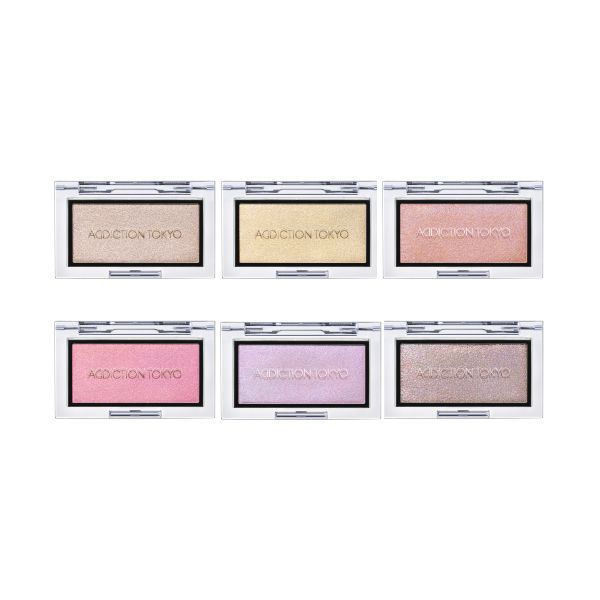
Pregnancy-safe products containing propylene glycol dicaprate
Addiction
Addiction The Blush Nuancer - 2.8g
99/100
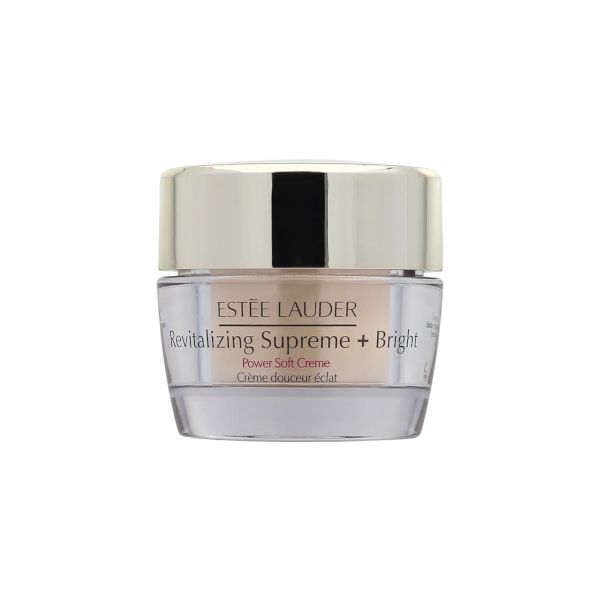
Estee Lauder Revitalizing Supreme+ Bright Power Soft Creme - 15ml
98/100
Estee Lauder Revitalizing Supreme+ Bright Power Soft Creme - 15ml (2ea) Set
98/100
Becca
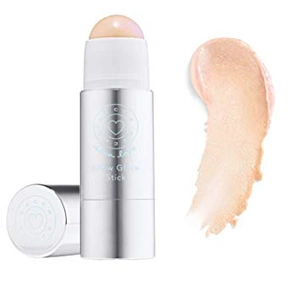
Becca Skin Love Glow Glaze Stick
98/100
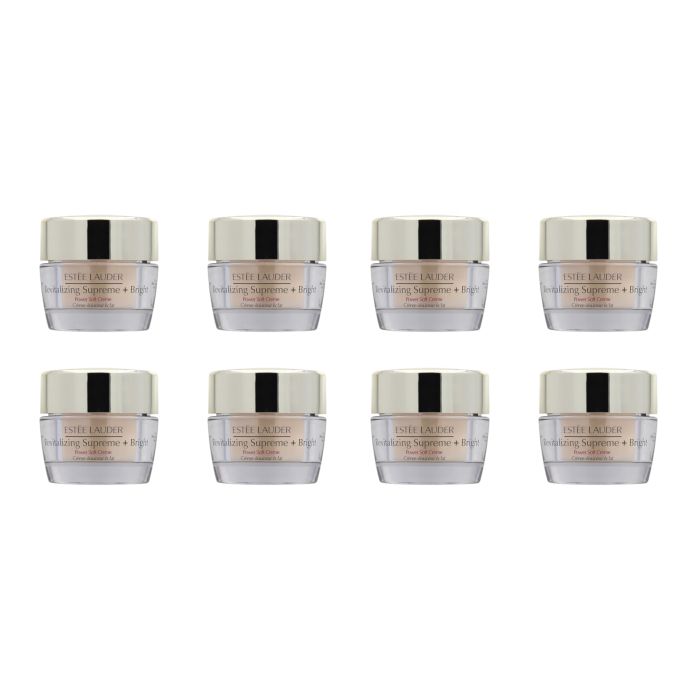
Estee Lauder Revitalizing Supreme+ Bright Power Soft Creme - 15ml (8ea) Set
98/100
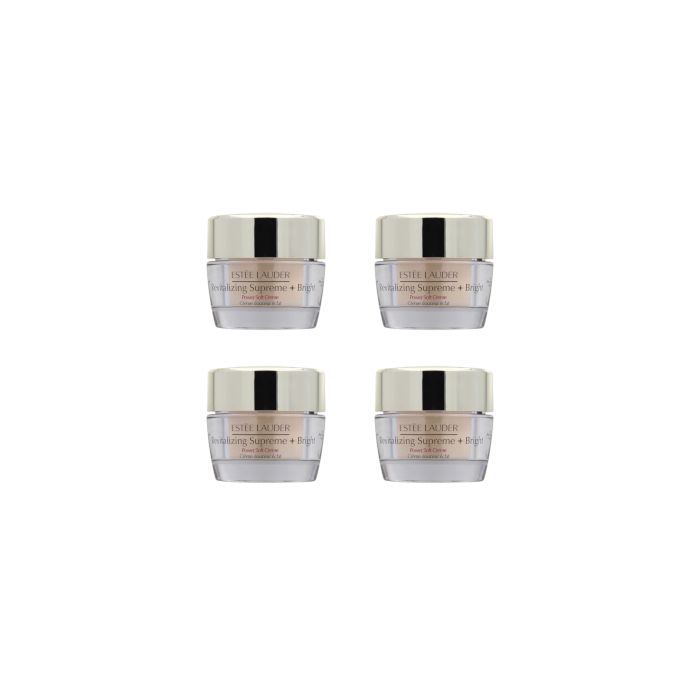
Estee Lauder Revitalizing Supreme+ Bright Power Soft Creme - 15ml (4ea) Set
98/100
Advanced Clinicals
Advanced Clinicals Rosehip Oil Anti-wrinkle
95/100
Cosme Decorte
Cosme Decorte Aq Meliority Intensive Radiance Glow Ritual - Day Serum
86/100
Albion
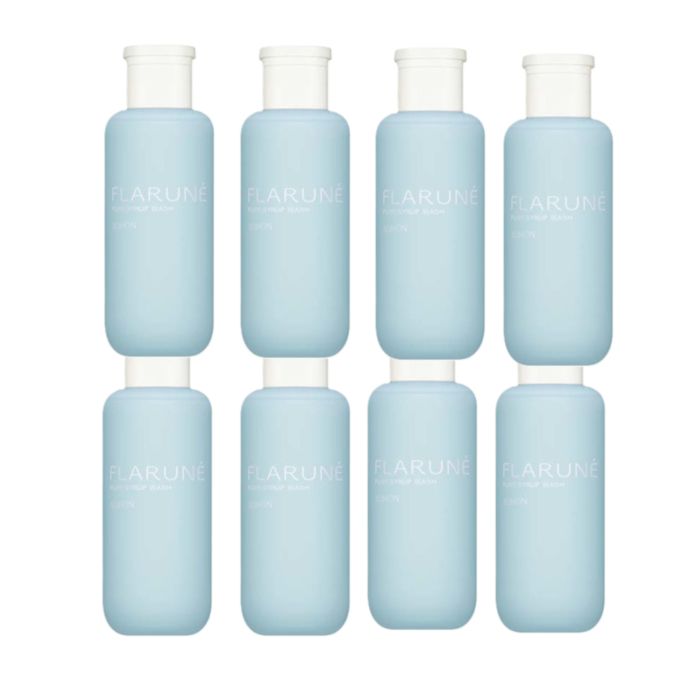
Albion FLARUNE Pure Syrup Wash - 14ml(8ea)
85/100
Albion
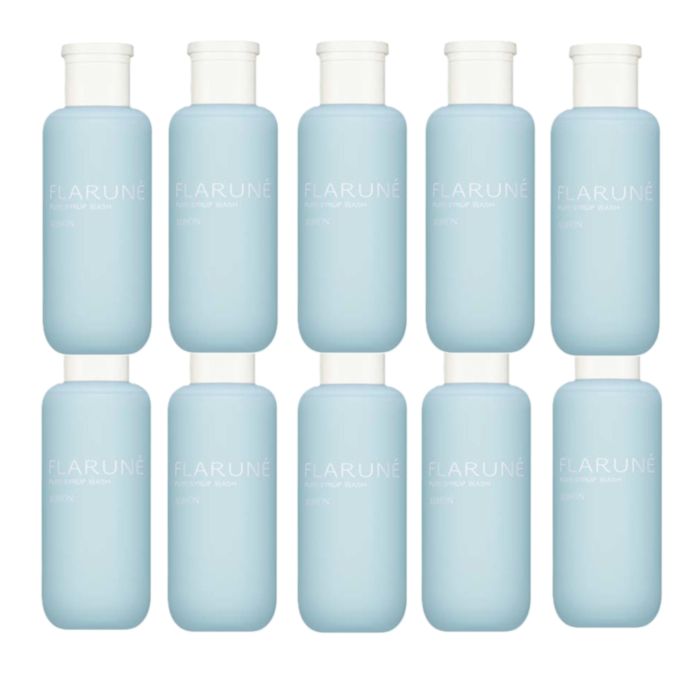
Albion FLARUNE Pure Syrup Wash - 14ml(10ea)
85/100
Related ingredients
Ver también
Sources & references
Authoritative references used to score this ingredient.
Frequently asked questions
- ¿Es propylene glycol dicaprate seguro durante el embarazo?
- Authoritative CIR safety assessment of propylene glycol esters (which includes propylene glycol dicaprate/dicaprylate) reports no reproductive or developmental effects in a rat prenatal study (gavage to 1000 mg/kg/day) and concludes acceptable safety in cosmetics; no harmonised ECHA Annex VI classification (H360/H361) for this substance was found. Dermal/systemic exposure from cosmetic use is low but measurable (used in leave‑on products, and some PG diesters can enhance dermal penetration in vitro, though dicaprylate did not increase penetration of water‑soluble drugs in the CIR review). ([cir-safety.org](https://www.cir-safety.org/sites/default/files/PGEste_122014_FR.pdf))
- ¿Es propylene glycol dicaprate seguro durante la lactancia?
- No data indicating reproductive toxicity, lactation-specific toxicity, or mechanisms for transfer to breast milk were identified in authoritative reviews. Given low systemic absorption from topical use reported in the CIR review, maternal systemic exposure (and therefore milk transfer) is expected to be low but measurable. ([cir-safety.org](https://www.cir-safety.org/sites/default/files/PGEste_122014_FR.pdf))
- ¿Es propylene glycol dicaprate seguro para la piel del bebé?
- CIR documents reported uses of propylene glycol dicaprylate/dicaprate in baby lotions (reported use concentrations historically ~2.5%) and includes dermal data; no infant-specific reproductive or developmental harms were found. Because infant skin has higher surface‑area‑to‑weight and an immature barrier, exposure rating is increased by +1 versus adults (from low/measurable to moderate). No infant‑specific adverse data or mechanistic evidence were found. ([cir-safety.org](https://www.cir-safety.org/sites/default/files/PGEste_122014_FR.pdf))
- ¿Cómo puntúa VeriMom a propylene glycol dicaprate?
- VeriMom puntúa propylene glycol dicaprate en 100/100 (sin riesgos conocidos) según el estado EU CosIng, clasificaciones ECHA y estudios PubMed.
- ¿Cuáles son las alternativas seguras a propylene glycol dicaprate en el embarazo?
- Consulta nuestra lista de alternativas seguras a propylene glycol dicaprate según función similar y clasificación sin riesgos conocidos.
Revisa tus propios cosméticos
Pega la lista de ingredientes de cualquier producto en nuestro verificador gratuito y mira cada ingrediente evaluado con datos regulatorios de la UE e investigación revisada por pares.
Abrir el verificador de ingredientes seguros en el embarazoComprueba cualquier etiqueta en 2 segundos
Descarga VeriMom gratis — escanea cualquier producto y ve la puntuación de seguridad en el embarazo al instante.
Aviso Médico
Esta información es solo para fines educativos y no constituye asesoramiento médico. Las puntuaciones de seguridad se basan en datos disponibles públicamente y pueden no reflejar todos los riesgos. Siempre consulte a su profesional de salud antes de usar cualquier producto durante el embarazo o la lactancia.