 VeriMom
¿Debo evitar pregnenolone acetate durante el embarazo? | VeriMom
Reviewed by VeriMom Editorial Team · Last reviewed
ECHA regulatory hazard statements
- •H361
- •H362
Products containing pregnenolone acetate — check your shelf
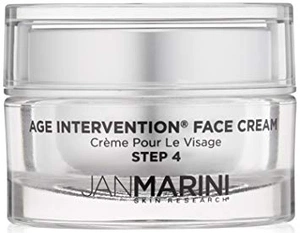
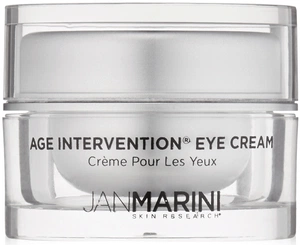
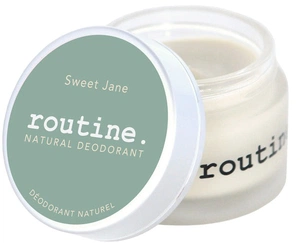
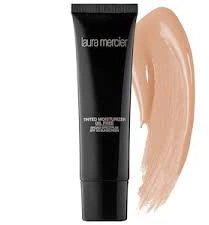
These products list pregnenolone acetate on their INCI. If one is in your routine, consider swapping it during pregnancy.
What to use instead
Pregnancy-safe ingredients that serve a similar function:
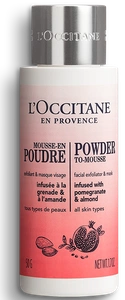
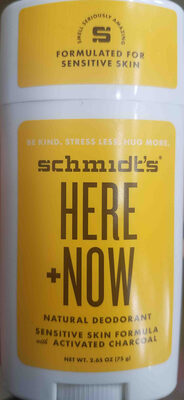
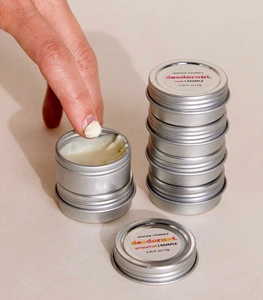
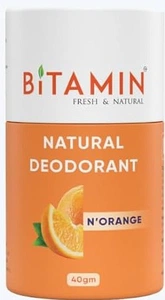
Pregnancy-safe products to use instead
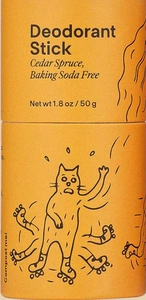
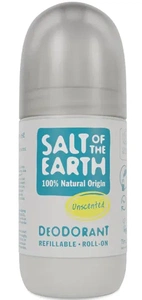
Products built around the safer ingredients above, scored "no known risks" or "low risk".
Sources & references
Authoritative references used to score this ingredient.
Alternativas seguras a pregnenolone acetate en el embarazo | VeriMom
Ingredientes — Ingredientes
Ver también
FAQ
- ¿Es pregnenolone acetate seguro durante el embarazo?
- Hazard: animal and mechanistic evidence that pregnenolone and related steroids modulate sex‑steroid signalling and can affect reproductive tissues (peer‑reviewed studies), and multiple supplier SDSs/self‑classifications list H361 (suspected of damaging fertility/unborn child). Mechanism: demonstrated steroid/estrogen receptor modulation and biological activity in animal models (pregnenolone effects on uterine ER expression and developmental effects in embryos). Exposure: topical cosmetic use historically (e.g., 1% creams) and the molecule is lipophilic so low but measurable dermal absorption is plausible for adults. ([pubmed.ncbi.nlm.nih.gov](https://pubmed.ncbi.nlm.nih.gov/30411422/?utm_source=openai))
- ¿Es pregnenolone acetate seguro durante la lactancia?
- Hazard & mechanism: because the acetate is converted to pregnenolone (a steroid precursor) and pregnenolone shows endocrine activity in animals, there is potential risk to the nursing infant if significant systemic maternal exposure occurs; mechanism (steroid activity and ability to alter hormone signalling) is demonstrated in animal studies. Exposure: dermal use by nursing mothers would likely give low but measurable maternal systemic exposure (therefore low infant exposure via breastmilk is plausible), but direct data on lactation transfer are lacking. ([pubmed.ncbi.nlm.nih.gov](https://pubmed.ncbi.nlm.nih.gov/30411422/?utm_source=openai))
- ¿Es pregnenolone acetate seguro para la piel del bebé?
- Hazard & mechanism: same concerns as for pregnancy — conversion to an active steroid (pregnenolone) and demonstrated endocrine/reproductive effects in animal models justify a suspected hazard for infants. Exposure: infant (0–3 yr) skin has higher surface‑area‑to‑weight and less mature barrier; therefore dermal exposure potential is increased (+1 exposure score). Direct infant dermal safety data are not available. ([pubmed.ncbi.nlm.nih.gov](https://pubmed.ncbi.nlm.nih.gov/30411422/?utm_source=openai))
- ¿Cómo puntúa VeriMom a pregnenolone acetate?
- VeriMom puntúa pregnenolone acetate en 20/100 (riesgo alto) según el estado EU CosIng, clasificaciones ECHA y estudios PubMed.
- ¿Cuáles son las alternativas seguras a pregnenolone acetate en el embarazo?
- Consulta nuestra lista de alternativas seguras a pregnenolone acetate según función similar y clasificación sin riesgos conocidos.
Comprueba cualquier etiqueta en 2 segundos
Descarga VeriMom gratis — escanea cualquier producto y ve la puntuación de seguridad en el embarazo al instante.
Aviso Médico
Esta información es solo para fines educativos y no constituye asesoramiento médico. Las puntuaciones de seguridad se basan en datos disponibles públicamente y pueden no reflejar todos los riesgos. Siempre consulte a su profesional de salud antes de usar cualquier producto durante el embarazo o la lactancia.