 VeriMom
¿Debo evitar phloroglucinol durante el embarazo? | VeriMom
Reviewed by VeriMom Editorial Team · Last reviewed
ECHA regulatory hazard statements
- •H361
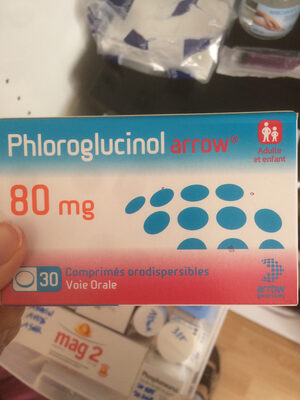
Products containing phloroglucinol — check your shelf
These products list phloroglucinol on their INCI. If one is in your routine, consider swapping it during pregnancy.
What to use instead
Pregnancy-safe ingredients that serve a similar function:
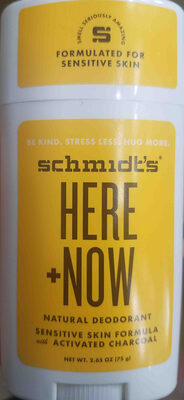
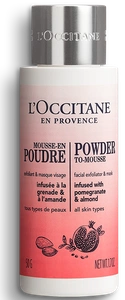
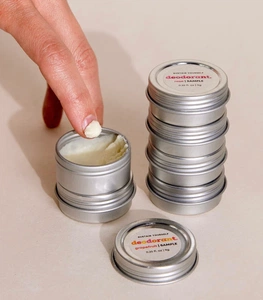
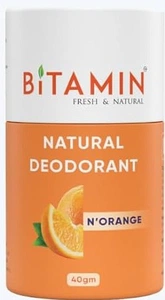
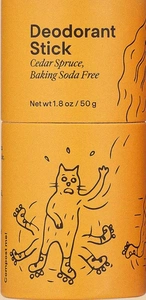
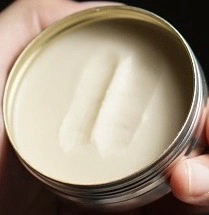
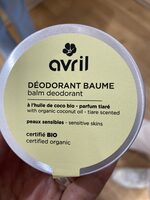
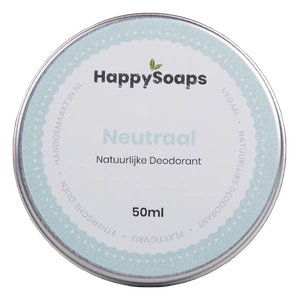
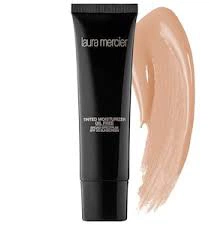
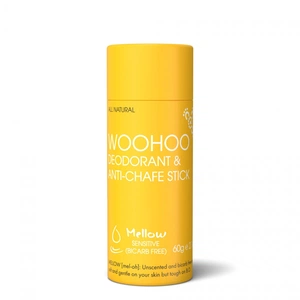
Pregnancy-safe products to use instead
Products built around the safer ingredients above, scored "no known risks" or "low risk".
Sources & references
Authoritative references used to score this ingredient.
Alternativas seguras a phloroglucinol en el embarazo | VeriMom
Ingredientes — Ingredientes
Ver también
FAQ
- ¿Es phloroglucinol seguro durante el embarazo?
- Authoritative sources and peer‑reviewed human data do not indicate phloroglucinol is a human teratogen; an epidemiologic study and clinical literature report no increased malformation signal and phloroglucinol is used therapeutically in pregnancy in some countries. ECHA/C&L database shows substance entries but not a harmonised (Annex VI) H360 classification; many safety data sheets and suppliers list H361 (suspected of damaging fertility or the unborn) as a notified/self classification — these are NOT the same as a harmonised ECHA Annex VI classification. (Sources: PubMed epidemiologic/clinical studies; ECHA substance/registration pages; supplier SDSs.)
- ¿Es phloroglucinol seguro durante la lactancia?
- I found no high‑quality data showing reproductive/developmental hazard from maternal exposure or specific evidence of transfer into human milk. Clinical use during pregnancy in the literature and absence of published human breastfeeding toxicity reports means no demonstrated hazard was identified in available sources. No SCCS or CIR cosmetic safety opinion was found. (Sources: PubMed clinical/epidemiologic reports; absence of regulatory harmonised reproductive classifications.)
- ¿Es phloroglucinol seguro para la piel del bebé?
- No infant‑specific reproductive or developmental hazard data were found. Dermal absorption data for phloroglucinol in cosmetic use were not located; because the compound is a small, water‑soluble phenol and not completely non‑absorbable, a precautionary increase in exposure rating for infants is applied (+1) versus adults. There is no infant‑specific evidence to raise hazard or mechanism scores. (Sources: physico‑chemical entries/PubChem-type records; lack of dermal absorption and SCCS/CIR opinions.)
- ¿Cómo puntúa VeriMom a phloroglucinol?
- VeriMom puntúa phloroglucinol en 39/100 (riesgo alto) según el estado EU CosIng, clasificaciones ECHA y estudios PubMed.
- ¿Cuáles son las alternativas seguras a phloroglucinol en el embarazo?
- Consulta nuestra lista de alternativas seguras a phloroglucinol según función similar y clasificación sin riesgos conocidos.
Revisa tus propios cosméticos
Pega la lista de ingredientes de cualquier producto en nuestro verificador gratuito y mira cada ingrediente evaluado con datos regulatorios de la UE e investigación revisada por pares.
Abrir el verificador de ingredientes seguros en el embarazoComprueba cualquier etiqueta en 2 segundos
Descarga VeriMom gratis — escanea cualquier producto y ve la puntuación de seguridad en el embarazo al instante.
Aviso Médico
Esta información es solo para fines educativos y no constituye asesoramiento médico. Las puntuaciones de seguridad se basan en datos disponibles públicamente y pueden no reflejar todos los riesgos. Siempre consulte a su profesional de salud antes de usar cualquier producto durante el embarazo o la lactancia.