 VeriMom
¿Debo evitar boric acid durante el embarazo? | VeriMom
Reviewed by VeriMom Editorial Team · Last reviewed
ECHA regulatory hazard statements
- •H360
- •H360FD
Products containing boric acid — check your shelf
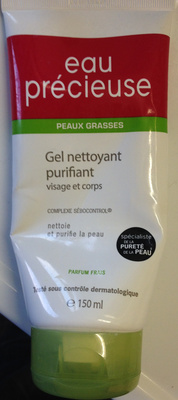
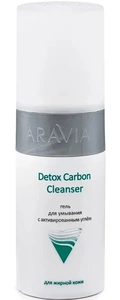
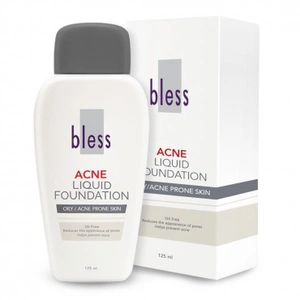
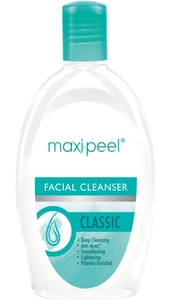
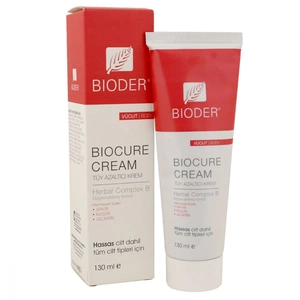
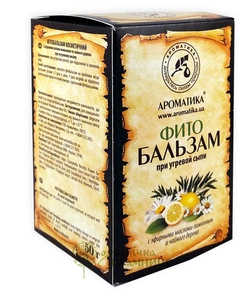
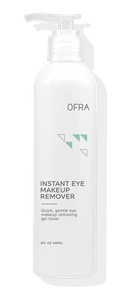
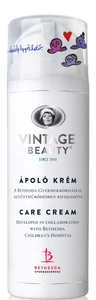
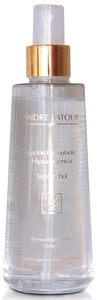
These products list boric acid on their INCI. If one is in your routine, consider swapping it during pregnancy.

What to use instead
Pregnancy-safe ingredients that serve a similar function:
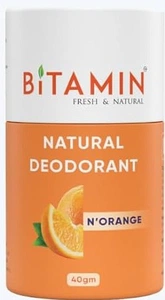
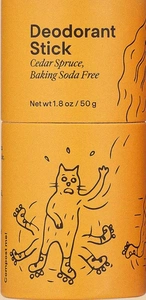
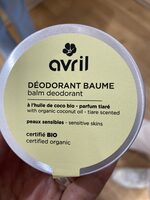
Pregnancy-safe products to use instead
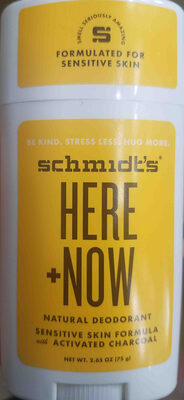
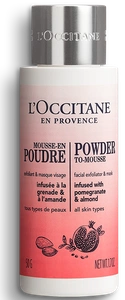
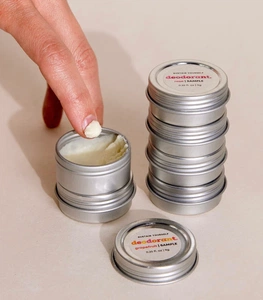
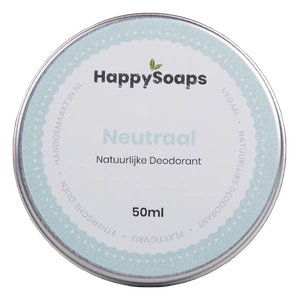
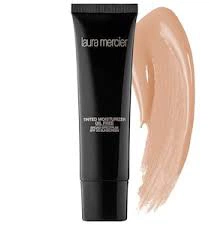
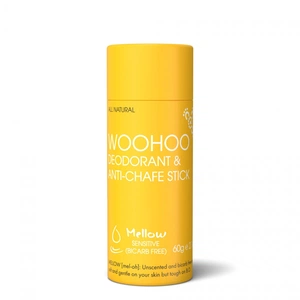
Products built around the safer ingredients above, scored "no known risks" or "low risk".
Sources & references
Authoritative references used to score this ingredient.
Alternativas seguras a boric acid en el embarazo | VeriMom
Ingredientes — Ingredientes
Ver también
FAQ
- ¿Es boric acid seguro durante el embarazo?
- Boric acid (CAS 10043-35-3) carries a harmonised CLP classification Repr.1B H360FD (may damage fertility; may damage the unborn child) in EU Annex VI, which supports a confirmed high reproductive hazard. Animal and regulatory reviews report developmental toxicity (reduced fetal weight, malformations) after systemic (oral) exposure and conclude a developmental NOAEL; mechanistic/toxicokinetic data show maternal–fetal transfer of boron, supporting demonstrated mechanism. See EU Official Journal Delegated Regulation 2023/1435 (Annex VI), ECHA substance information and SR/reviews (CIR; peer-reviewed reviews).
- ¿Es boric acid seguro durante la lactancia?
- Harmonised classification (H360FD) and evidence that boron crosses placenta and is present in human milk support reproductive/developmental concern during lactation; studies and assessments report detectable boron in breast milk and mother–infant transfer, so systemic maternal exposure could expose nursing infants. Risk via cosmetic topical use is expected to be low but measurable if significant systemic absorption occurs. See ECHA/Delegated Regulation and human milk/assessment reports.
- ¿Es boric acid seguro para la piel del bebé?
- Hazard is driven by the harmonised H360 classification of boric acid (Repr.1B); infant-specific hazard evidence was not identified to change h or m, but immature infant skin raises exposure potential — dermal exposure preparedness is higher for 0–3 y (so exposure score increased by +1). Topical cosmetic use has low dermal absorption in adults but infants have higher surface-area-to-weight and immature barrier, so exposure is greater. See EU classification, SCCS/CIR reviews and human milk/placental transfer data.
- ¿Cómo puntúa VeriMom a boric acid?
- VeriMom puntúa boric acid en 20/100 (riesgo alto) según el estado EU CosIng, clasificaciones ECHA y estudios PubMed.
- ¿Cuáles son las alternativas seguras a boric acid en el embarazo?
- Consulta nuestra lista de alternativas seguras a boric acid según función similar y clasificación sin riesgos conocidos.
Revisa tus propios cosméticos
Pega la lista de ingredientes de cualquier producto en nuestro verificador gratuito y mira cada ingrediente evaluado con datos regulatorios de la UE e investigación revisada por pares.
Abrir el verificador de ingredientes seguros en el embarazoComprueba cualquier etiqueta en 2 segundos
Descarga VeriMom gratis — escanea cualquier producto y ve la puntuación de seguridad en el embarazo al instante.
Aviso Médico
Esta información es solo para fines educativos y no constituye asesoramiento médico. Las puntuaciones de seguridad se basan en datos disponibles públicamente y pueden no reflejar todos los riesgos. Siempre consulte a su profesional de salud antes de usar cualquier producto durante el embarazo o la lactancia.