 VeriMom
¿Debo evitar aminoethylethanolamine durante el embarazo? | VeriMom
Reviewed by VeriMom Editorial Team · Last reviewed
ECHA regulatory hazard statements
- •H360DF
What to use instead
Pregnancy-safe ingredients that serve a similar function:
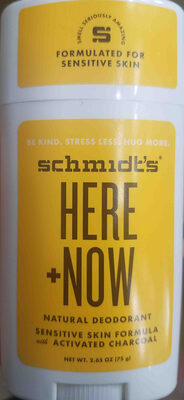
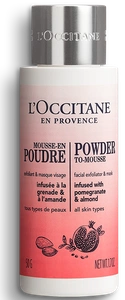
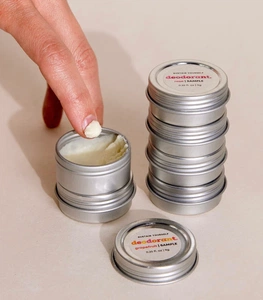
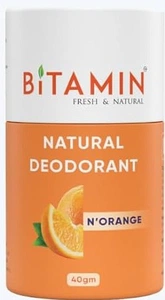
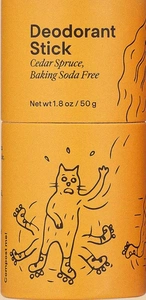
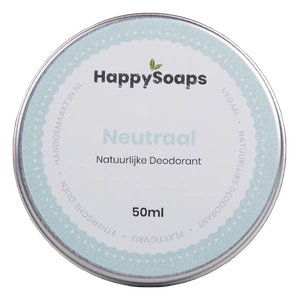
Pregnancy-safe products to use instead
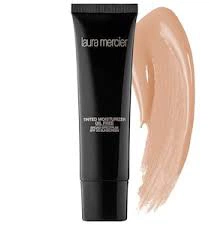
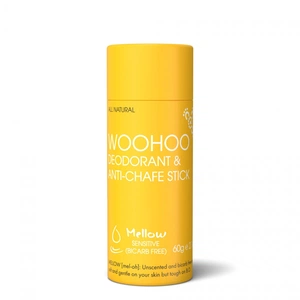
Products built around the safer ingredients above, scored "no known risks" or "low risk".
Sources & references
Authoritative references used to score this ingredient.
Alternativas seguras a aminoethylethanolamine en el embarazo | VeriMom
Ingredientes — Ingredientes
Ver también
FAQ
- ¿Es aminoethylethanolamine seguro durante el embarazo?
- ECHA (substance/C&L) lists a harmonised classification for 2-(2‑aminoethylamino)ethanol (CAS 111‑41‑1) as Repr. 1B (H360: “may damage the unborn child”) which is the trigger for a highest reproductive hazard score per your rules; no SCCS/CIR opinion or peer‑reviewed mechanism for reproductive toxicity was identified. Dermal/topical cosmetic exposure would be expected to give low but measurable systemic absorption for a small polar amine, so exposure is scored as 1. ([echa.europa.eu](https://echa.europa.eu/en/brief-profile/-/briefprofile/100.003.516?utm_source=openai))
- ¿Es aminoethylethanolamine seguro durante la lactancia?
- ECHA information also includes the specific hazard statement H362 (may cause harm to breast‑fed children) and company/registration notifications referencing potential harm to breast‑fed children; this supports a suspected (not mechanistically proven) hazard to nursing infants, so h is 2. No peer‑reviewed mechanism or lactation transfer data were found. Exposure via topical maternal use is scored low but measurable. ([echa.europa.eu](https://echa.europa.eu/en/brief-profile/-/briefprofile/100.003.516?utm_source=openai))
- ¿Es aminoethylethanolamine seguro para la piel del bebé?
- There were no infant‑specific developmental toxicity studies after topical application identified in PubMed or regulatory assessments; per your rules absence of infant‑specific evidence means do not upscore hazard or mechanism. However ECHA/SDS data show corrosive and sensitising properties (H314, H317) and the compound is a small, polar amine with measurable dermal penetration potential; therefore exposure for infants (immature barrier, higher SA:BW) is increased by +1 relative to adults (adult e=1 → infant e=2). ([echa.europa.eu](https://echa.europa.eu/en/brief-profile/-/briefprofile/100.003.516?utm_source=openai))
- ¿Cómo puntúa VeriMom a aminoethylethanolamine?
- VeriMom puntúa aminoethylethanolamine en 33/100 (riesgo alto) según el estado EU CosIng, clasificaciones ECHA y estudios PubMed.
- ¿Cuáles son las alternativas seguras a aminoethylethanolamine en el embarazo?
- Consulta nuestra lista de alternativas seguras a aminoethylethanolamine según función similar y clasificación sin riesgos conocidos.
Revisa tus propios cosméticos
Pega la lista de ingredientes de cualquier producto en nuestro verificador gratuito y mira cada ingrediente evaluado con datos regulatorios de la UE e investigación revisada por pares.
Abrir el verificador de ingredientes seguros en el embarazoComprueba cualquier etiqueta en 2 segundos
Descarga VeriMom gratis — escanea cualquier producto y ve la puntuación de seguridad en el embarazo al instante.
Aviso Médico
Esta información es solo para fines educativos y no constituye asesoramiento médico. Las puntuaciones de seguridad se basan en datos disponibles públicamente y pueden no reflejar todos los riesgos. Siempre consulte a su profesional de salud antes de usar cualquier producto durante el embarazo o la lactancia.