 VeriMom
HIGH RISK
¿Debo evitar adipic acid dihydrazide durante el embarazo? | VeriMom
Reviewed by VeriMom Editorial Team · Last reviewed
ECHA regulatory hazard statements
- •H361
What to use instead
Pregnancy-safe ingredients that serve a similar function:
Pregnancy-safe products to use instead
Products built around the safer ingredients above, scored "no known risks" or "low risk".
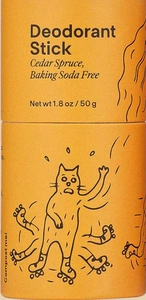
Mew mew tweet
100Mew mew tweet Cedar Spruce Baking Soda Free
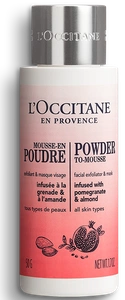
L'Occitane
100L´Occitane Powder To-mousse Facial Exfoliator
Avero
100Avero Solid Deodorant
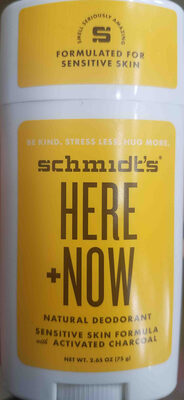
Unknown
100schmidts here now
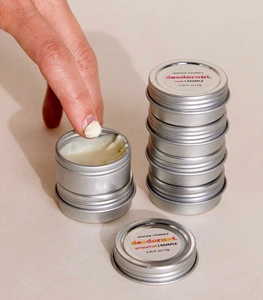
Sustain Yourself
100Sustain Yourself Natural Deodorant
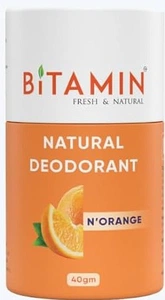
Bitamin
100Bitamin Natural Deodorant N'orange
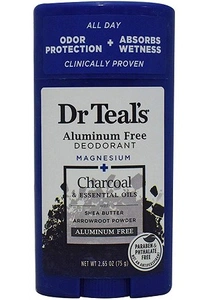
Dr Teals's
99Dr Teals's Aluminum Free Deodorant Charcoal
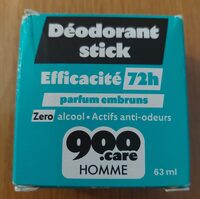
900care
99Déodorant stick parfum embruns
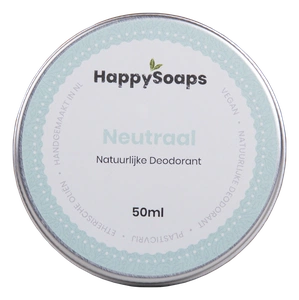
HappySoaps
99Happysoaps Neutraal
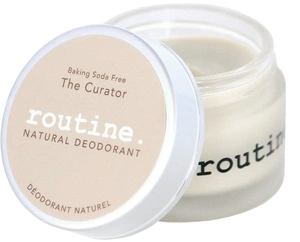
Routine
99Routine The Curator
Sources & references
Authoritative references used to score this ingredient.
Alternativas seguras a adipic acid dihydrazide en el embarazo | VeriMom
Ingredientes — Ingredientes
Ver también
FAQ
- ¿Es adipic acid dihydrazide seguro durante el embarazo?
- Authoritative reviews (CIR final report) and ECHA registration data do not identify adipic acid dihydrazide as a confirmed reproductive/developmental toxicant; an ECHA prenatal developmental study reported a maternal and developmental NOAEL of 100 mg/kg and concluded the substance need not be classified as a developmental toxicant. Many supplier SDSs list H361 as a notified/company classification, but no EU-harmonised (Annex VI) CLH for H360/H361 was found; self-notifications alone do not establish harmonised reproductive hazard. (Sources: CIR review; ECHA registration dossier/study; multiple SDSs noting company H361 notifications).
- ¿Es adipic acid dihydrazide seguro durante la lactancia?
- There is no evidence in the available literature or regulatory dossiers of lactation-specific toxicity or of a mechanism predicting transfer into breastmilk. With topical cosmetic use and the absence of data indicating high dermal/systemic absorption, systemic exposure (and therefore lactational exposure) is expected to be negligible. (Sources: ECHA dossier, CIR summary, no PubMed studies showing lactational transfer).
- ¿Es adipic acid dihydrazide seguro para la piel del bebé?
- No infant-specific reproductive/ developmental hazard data were identified. Dermal exposure for infants is a pragmatic concern because infant skin has a higher surface-area-to-weight ratio and immature barrier; while there are no data showing high dermal absorption for this ingredient, exposure scoring is increased by +1 for baby skin compared with adult topical use to account for the more vulnerable infant barrier. No studies show specific adverse effects in 0–3 y olds. (Sources: ECHA registration dossier; CIR; general toxicology principles).
- ¿Cómo puntúa VeriMom a adipic acid dihydrazide?
- VeriMom puntúa adipic acid dihydrazide en 39/100 (riesgo alto) según el estado EU CosIng, clasificaciones ECHA y estudios PubMed.
- ¿Cuáles son las alternativas seguras a adipic acid dihydrazide en el embarazo?
- Consulta nuestra lista de alternativas seguras a adipic acid dihydrazide según función similar y clasificación sin riesgos conocidos.
Comprueba cualquier etiqueta en 2 segundos
Descarga VeriMom gratis — escanea cualquier producto y ve la puntuación de seguridad en el embarazo al instante.
Aviso Médico
Esta información es solo para fines educativos y no constituye asesoramiento médico. Las puntuaciones de seguridad se basan en datos disponibles públicamente y pueden no reflejar todos los riesgos. Siempre consulte a su profesional de salud antes de usar cualquier producto durante el embarazo o la lactancia.