 VeriMom
¿Es acrylamide/ sodium acryloyldimethyltaurate copolymer seguro durante el embarazo?
Reviewed by VeriMom Editorial Team · Last reviewed
Ingredientes
acrylamide/ sodium acryloyldimethyltaurate copolymer
RIESGO BAJO73
/100
0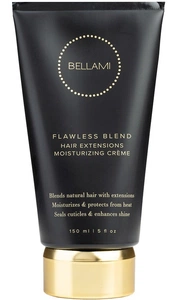
Pregnancy-safe products containing acrylamide/ sodium acryloyldimethyltaurate copolymer
Bellami
Bellami Flawless Blend Moisturizing Leave In Cream
81/100
Heimish
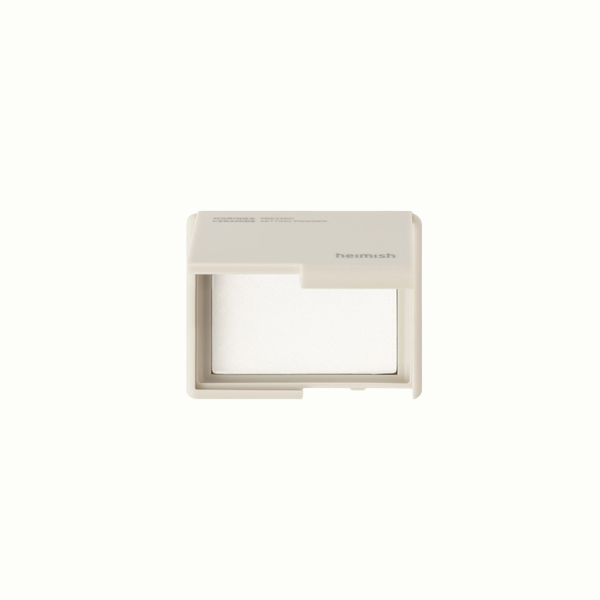
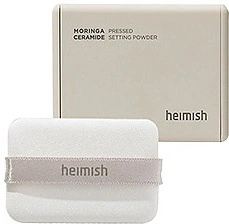
heimish Moringa Ceramide Pressed Setting Powder - 5g
80/100
Sesderma
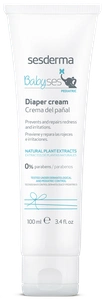
Sesderma Babyses Crema De Pañal
80/100
Heimish
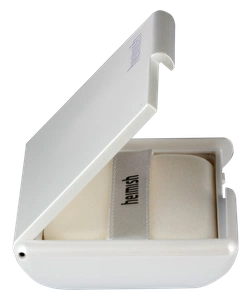
Heimish Setting Powder
80/100
Allies of Skin
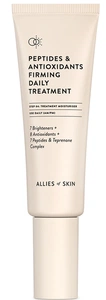
Allies of Skin Peptides & Antioxidants Firming Daily Treatment
80/100
Heimish
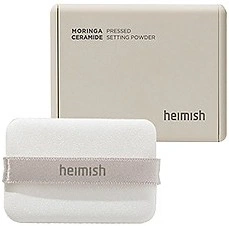
Heimish Moringa Ceramide Pressed Setting Powder
80/100
Heimish
Heimish Velvet Powder-pact
80/100
Allies of Skin
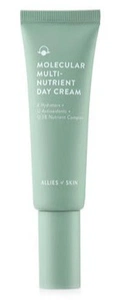
Allies of Skin Molecular Multi-Nutrient Day Cream
80/100
Allies of Skin
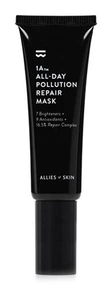
Allies of Skin 1A™ All-Day Pollution Repair Mask
80/100
Allies of Skin
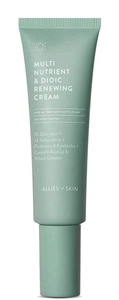
Allies of Skin Multi Nutrient & Dioic Renewing Cream
80/100
Related ingredients
Ver también
Sources & references
Authoritative references used to score this ingredient.
Frequently asked questions
- ¿Es acrylamide/ sodium acryloyldimethyltaurate copolymer seguro durante el embarazo?
- Harmonised CLP and ECHA list acrylamide (CAS 79-06-1) as Carc. 1B (H350), Muta.1B (H340) and Repr.2 (H361f), which justifies a suspected reproductive/carcinogenic hazard for the acrylamide monomer. Regulatory and safety reviews (CIR) treat acrylamide‑containing polymers as acceptable only if residual monomer is controlled (e.g., ≤0.1 mg/kg for leave‑on in EU), so mechanism evidence and animal reproductive findings support m=2 and a measurable but low dermal exposure for cosmetics (e=1). (Sources: ECHA harmonised classification; CIR safety assessments; EU Annex III restriction).
- ¿Es acrylamide/ sodium acryloyldimethyltaurate copolymer seguro durante la lactancia?
- Same basis as pregnancy: the hazard derives from acrylamide monomer (harmonised classification and animal data). For topical cosmetic use of the polymer, exposure to acrylamide is low when residual monomer is controlled to regulatory limits, but measurable exposures have been reported in products; therefore a conservative suspected hazard (h=2), demonstrated mechanism (m=2) and low but measurable exposure (e=1) are retained.
- ¿Es acrylamide/ sodium acryloyldimethyltaurate copolymer seguro para la piel del bebé?
- Hazard and mechanism remain tied to acrylamide monomer. Because infant skin has higher permeability and surface‑area‑to‑weight, exposure score is increased by +1 relative to adult topical use (adult e=1 → infant e=2), while h and m are unchanged absent infant‑specific toxicology showing different effects. Regulatory residual limits still apply; if residuals are not controlled, infant exposure concern increases.
- ¿Cómo puntúa VeriMom a acrylamide/ sodium acryloyldimethyltaurate copolymer?
- VeriMom puntúa acrylamide/ sodium acryloyldimethyltaurate copolymer en 73/100 (riesgo bajo) según el estado EU CosIng, clasificaciones ECHA y estudios PubMed.
- ¿Cuáles son las alternativas seguras a acrylamide/ sodium acryloyldimethyltaurate copolymer en el embarazo?
- Consulta nuestra lista de alternativas seguras a acrylamide/ sodium acryloyldimethyltaurate copolymer según función similar y clasificación sin riesgos conocidos.
Revisa tus propios cosméticos
Pega la lista de ingredientes de cualquier producto en nuestro verificador gratuito y mira cada ingrediente evaluado con datos regulatorios de la UE e investigación revisada por pares.
Abrir el verificador de ingredientes seguros en el embarazoComprueba cualquier etiqueta en 2 segundos
Descarga VeriMom gratis — escanea cualquier producto y ve la puntuación de seguridad en el embarazo al instante.
Aviso Médico
Esta información es solo para fines educativos y no constituye asesoramiento médico. Las puntuaciones de seguridad se basan en datos disponibles públicamente y pueden no reflejar todos los riesgos. Siempre consulte a su profesional de salud antes de usar cualquier producto durante el embarazo o la lactancia.