 VeriMom
Hamilelikte nifedipine kullanmaktan kaçınmalı mıyım? | VeriMom
Reviewed by VeriMom Editorial Team · Last reviewed
ECHA regulatory hazard statements
- •H361
What to use instead
Pregnancy-safe ingredients that serve a similar function:
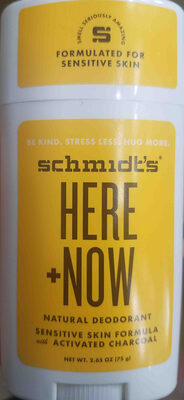
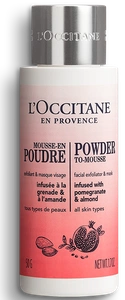
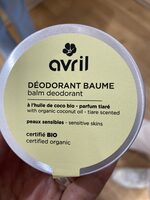
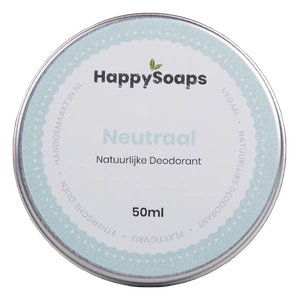
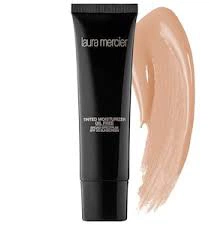
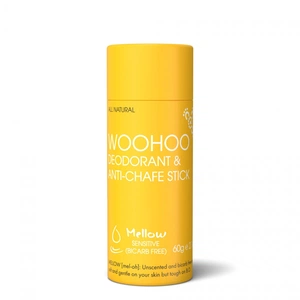
Pregnancy-safe products to use instead
Products built around the safer ingredients above, scored "no known risks" or "low risk".


Sources & references
Authoritative references used to score this ingredient.
Hamilelikte nifedipine yerine kullanılabilecek güvenli alternatifler | VeriMom
İçerikler — İçerikler
Ayrıca bakın
FAQ
- nifedipine hamilelikte güvenli mi?
- Nifedipine is a systemic pharmaceutical (a dihydropyridine Ca2+ channel blocker) with evidence of fetal exposure: PBPK and clinical studies report substantial transplacental transfer (cord:maternal ratios ≈ ~1 in modelling and clinical measurements), and supplier safety data sheets list reproductive toxicity H361 (suspected of damaging fertility or the unborn child). Because ECHA-harmonised H360 classification was not identified but H361 is reported in SDS/registrations, hazard is scored as 'suspected' (h=2); mechanism is 'demonstrated' (m=2) because placental transfer and pharmacodynamic effects on uteroplacental blood flow are reported; topical cosmetic exposure is likely low but systemic if used as a drug, so for cosmetic topical use exposure is low (e=1). (Sources: PBPK and placental studies, systematic reviews and SDSs.).
- nifedipine emzirirken güvenli mi?
- Nifedipine is excreted into breastmilk in measurable but generally small amounts and is commonly considered compatible with breastfeeding in clinical guidance; supplier SDSs list reproductive toxicity H361 which supports a suspected reproductive hazard (h=2). Mechanistically, milk transfer is documented (so m=1–2), but adverse effects in infants are not robustly reported in the clinical literature; for topical cosmetic use exposure is expected to be low (e=1).
- nifedipine bebek cildi için güvenli mi?
- There is no infant-specific dermal hazard data for 0–3 yr; nifedipine is systemically active and can cross placenta / enter milk, so parental systemic concern remains (h=2). For baby skin, because infants have higher skin absorption and the parent compound is moderately lipophilic (not completely non-absorbable), increase exposure score by +1 relative to adult topical use (adult e=1 → infant e=2). No direct evidence supports increasing hazard or mechanism beyond adult data in absence of infant-specific studies.
- VeriMom nifedipine nasıl puanlıyor?
- VeriMom nifedipine'yi EU CosIng, ECHA sınıflandırmaları ve PubMed çalışmalarına göre 20/100 (yüksek risk) olarak puanlar.
- Hamilelikte nifedipine yerine neler kullanılabilir?
- Benzer işlevli ve bilinen riski olmayan alternatifleri içeren listemize bakın.
Kendi cilt bakım ürünlerini kontrol et
Herhangi bir ürünün içindekiler listesini ücretsiz kontrol aracımıza yapıştır ve her bileşeni AB düzenleyici verileri ve hakemli araştırmalara göre puanlanmış olarak gör.
Gebelikte güvenli içerik denetleyicisini açHer etiketi 2 saniyede kontrol et
VeriMom'u ücretsiz indirin — herhangi bir ürünü tarayın ve hamilelik güvenlik puanını anında görün.
Tıbbi Sorumluluk Reddi
Bu bilgiler yalnızca eğitim amaçlıdır ve tıbbi tavsiye niteliği taşımaz. Güvenlik puanları kamuya açık verilere dayanmaktadır ve tüm riskleri yansıtmayabilir. Hamilelik veya emzirme döneminde herhangi bir ürünü kullanmadan önce her zaman sağlık uzmanınıza danışın.