 VeriMom
Alternatives sûres à m-phenylenediamine pendant la grossesse | VeriMom
Reviewed by VeriMom Editorial Team · Last reviewed
Safer alternatives
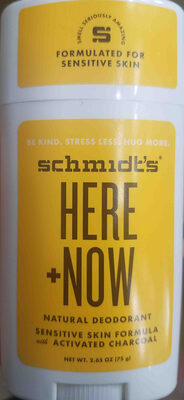
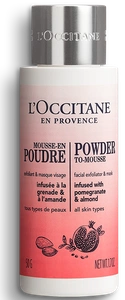
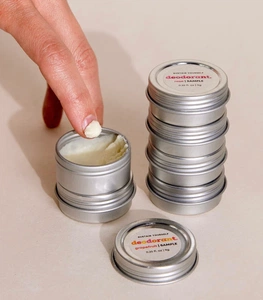
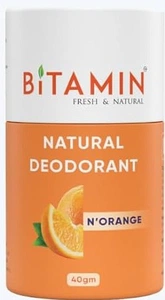
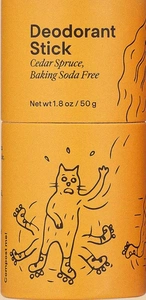
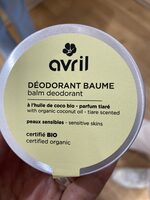
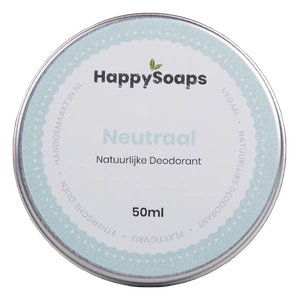
Top pregnancy-safe products with these alternatives
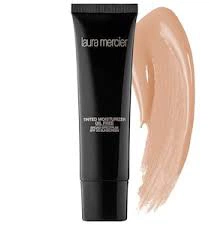
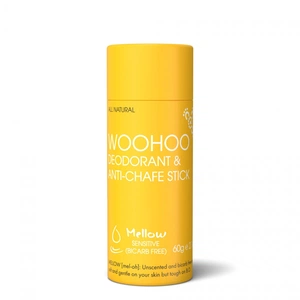
Real products built around the safer ingredients above, scored "no known risks" or "low risk" by our pipeline.
Sources & references
Authoritative references used to score this ingredient.
Alternatives sûres à m-phenylenediamine pendant la grossesse | VeriMom
À voir aussi
FAQ
- Pourquoi chercher des alternatives à m-phenylenediamine ?
- CIR’s safety review (1997 summary) reports one animal study with fetal deaths (other studies negative) and identifies measurable percutaneous absorption and metabolites — this supports a “suspected” reproductive hazard (h=2) rather than confirmed teratogen. No well‑characterised reproductive mechanism was found, only limited mechanistic data (hence m=1). Dermal absorption from hair‑dye use is reported as low but measurable, so exposure from typical topical cosmetic use is scored e=1. (Sources: CIR summary/CosmeticsInfo; PubMed animal study; ECHA registration dossier.)
- Ces alternatives sont-elles vraiment sûres pendant la grossesse ?
- Chaque alternative listée appartient à la catégorie "aucun risque connu" dans notre base, notée d'après EU CosIng, les classifications de danger ECHA et la recherche PubMed. Demandez toujours l'avis de votre obstétricien avant d'utiliser de nouveaux cosmétiques pendant la grossesse.
- Puis-je combiner plusieurs alternatives ?
- Oui — beaucoup d'ingrédients sûrs pendant la grossesse se superposent bien (acide hyaluronique + niacinamide + filtre minéral, par exemple). Notre application signale les interactions lorsque vous scannez des listes complètes d'ingrédients.
Vérifiez vos propres cosmétiques
Collez la liste d'ingrédients de n'importe quel produit dans notre vérificateur gratuit et voyez chaque ingrédient évalué selon les données réglementaires de l'UE et des recherches évaluées par des pairs.
Ouvrir le vérificateur d'ingrédients sûrs pendant la grossesseVérifiez chaque étiquette en 2 secondes
Obtenez VeriMom gratuitement — scannez n'importe quel produit et voyez le score de sécurité grossesse instantanément.
Avis Médical
Ces informations sont fournies à titre éducatif uniquement et ne constituent pas un avis médical. Les scores de sécurité sont basés sur des données accessibles au public et peuvent ne pas refléter tous les risques. Consultez toujours votre professionnel de santé avant d'utiliser tout produit pendant la grossesse ou l'allaitement.