 VeriMom
triethylene glycol hamilelikte güvenli mi?
Reviewed by VeriMom Editorial Team · Last reviewed
İçerikler
triethylene glycol
BILINEN RISK YOK93
/100
0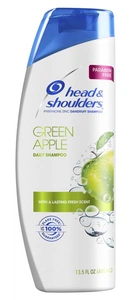
Pregnancy-safe products containing triethylene glycol
Head & Shoulders
Head & Shoulders Apple Fresh Anti-Dandruff Shampoo
98/100
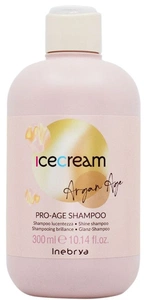
Inebrya
Inebrya Ice Cream Argan Age Pro-Age Shampoo
98/100
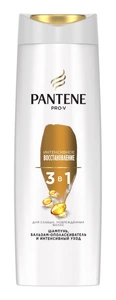
Pantene PRO-V 3 в 1
Pantene PRO-V 3 в 1 Интенсивное Восстановление.
98/100
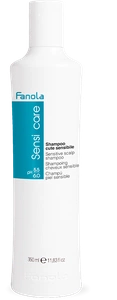
Fanola
Fanola Sensi Care Sensitive Scalp Shampoo
98/100
Alama professional
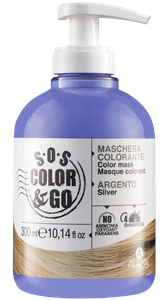
Alama Professional SOS Color & Go Silver
98/100
Histoire Naturelle
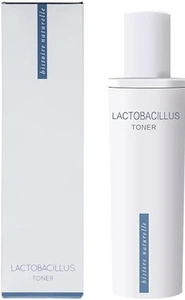
Histoire Naturelle Lactobacillus Toner
98/100
Alama professional
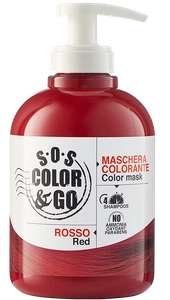
Alama Professional SOS Color & Go Red
98/100
Eurospin
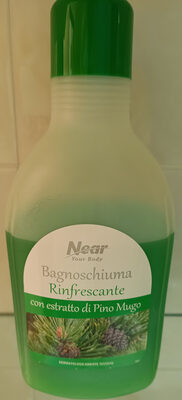
Bagnoschiuma Rinfrescante con estratto di Pino Mugo
98/100
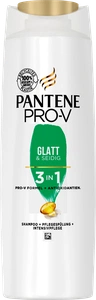
Pantene Pro V
Pantene Pro-V 3in1 Shampoo Glatt & Seidig
98/100
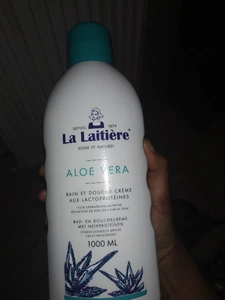
La Laitière
La Laitière Bath And Shower Cream With Lactoproteins - Aloe Vera
98/100
Related ingredients
Ayrıca bakın
Sources & references
Authoritative references used to score this ingredient.
Frequently asked questions
- triethylene glycol hamilelikte güvenli mi?
- No harmonised CLP reproductive classification was found for triethylene glycol (ECHA substance/SDS indicate no GHS reproductive classification) and CIR listings for related glycols support ‘safe as used’ assessments; peer‑reviewed human data show only very low/trace systemic detection in children exposed orally to PEG formulations (TEG detected below quantitation in a pilot study), suggesting low but measurable systemic exposure is possible but no reproductive effects were reported. Sources: ECHA registration/SDS (no harmonised CLP), CIR ingredient page, PubMed detection study. ([download.basf.com](https://download.basf.com/p1/000000000030054096_SDS_GEN_GB/en_GB/TRIETHYLENE_GLYKOL_000000000030054096_SDS_GEN_GB_en_12-0.pdf?utm_source=openai))
- triethylene glycol emzirirken güvenli mi?
- Same rationale as pregnancy: no CLP/SCCS/CIR reproductive or lactation hazard identified and no mechanistic endocrine evidence. Low but measurable systemic absorption has been reported in contexts of oral exposure to PEG products (analytical methods detect TEG at very low levels), so low maternal systemic exposure — and therefore low potential for transfer to breast milk — is plausible but not demonstrated. ([download.basf.com](https://download.basf.com/p1/000000000030054096_SDS_GEN_GB/en_GB/TRIETHYLENE_GLYKOL_000000000030054096_SDS_GEN_GB_en_12-0.pdf?utm_source=openai))
- triethylene glycol bebek cildi için güvenli mi?
- No infant‑specific reproductive or developmental hazard was identified and no harmonised classification exists. Because triethylene glycol is a small, water‑soluble glycol with measurable (though low) systemic detection in human biomonitoring after oral exposure, dermal absorption through immature infant skin is plausibly higher than in adults; per your guidance exposure score is increased by +1 for 0–3‑year skin. No infant toxicity or developmental effects were reported in the sources found. ([download.basf.com](https://download.basf.com/p1/000000000030054096_SDS_GEN_GB/en_GB/TRIETHYLENE_GLYKOL_000000000030054096_SDS_GEN_GB_en_12-0.pdf?utm_source=openai))
- VeriMom triethylene glycol nasıl puanlıyor?
- VeriMom triethylene glycol'yi EU CosIng, ECHA sınıflandırmaları ve PubMed çalışmalarına göre 93/100 (bilinen risk yok) olarak puanlar.
- Hamilelikte triethylene glycol yerine neler kullanılabilir?
- Benzer işlevli ve bilinen riski olmayan alternatifleri içeren listemize bakın.
Kendi cilt bakım ürünlerini kontrol et
Herhangi bir ürünün içindekiler listesini ücretsiz kontrol aracımıza yapıştır ve her bileşeni AB düzenleyici verileri ve hakemli araştırmalara göre puanlanmış olarak gör.
Gebelikte güvenli içerik denetleyicisini açHer etiketi 2 saniyede kontrol et
VeriMom'u ücretsiz indirin — herhangi bir ürünü tarayın ve hamilelik güvenlik puanını anında görün.
Tıbbi Sorumluluk Reddi
Bu bilgiler yalnızca eğitim amaçlıdır ve tıbbi tavsiye niteliği taşımaz. Güvenlik puanları kamuya açık verilere dayanmaktadır ve tüm riskleri yansıtmayabilir. Hamilelik veya emzirme döneminde herhangi bir ürünü kullanmadan önce her zaman sağlık uzmanınıza danışın.