 VeriMom
mentha spicata flower/leaf/stem oil hamilelikte güvenli mi?
No harmonised reproductive classification for Mentha spicata flower/leaf/stem oil in ECHA Annex VI and no CIR conclusion identifying reproductive hazard for topical cosmetic use. Some peer‑reviewed oral ingestion studies (e.g., spearmint tea) report anti‑androgenic effects in humans/animals suggesting a possible mechanism (theoretical) if systemically exposed, but there is no consistent animal/human evidence of teratogenicity from cosmetic topical use. Dermal exposure from cosmetics is expected to be low but measurable. Sources: ECHA Annex VI (no harmonised CLP for this oil), CIR (no reproductive flag for cosmetic use), PubMed (human/animal oral anti‑androgenic data), ECHA registration dossiers / PubChem (constituents such as carvone/limonene noted but not H360/H361).
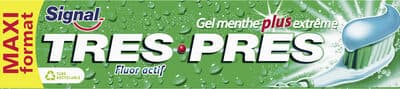
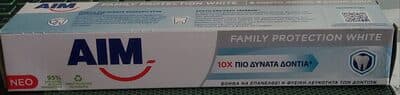
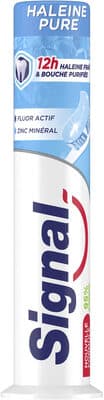
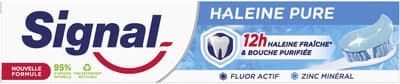
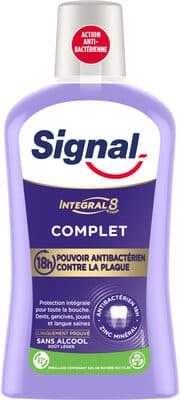
Pregnancy-safe products containing mentha spicata flower/leaf/stem oil
Related ingredients
Frequently asked questions
- mentha spicata flower/leaf/stem oil hamilelikte güvenli mi?
- No harmonised reproductive classification for Mentha spicata flower/leaf/stem oil in ECHA Annex VI and no CIR conclusion identifying reproductive hazard for topical cosmetic use. Some peer‑reviewed oral ingestion studies (e.g., spearmint tea) report anti‑androgenic effects in humans/animals suggesting a possible mechanism (theoretical) if systemically exposed, but there is no consistent animal/human evidence of teratogenicity from cosmetic topical use. Dermal exposure from cosmetics is expected to be low but measurable. Sources: ECHA Annex VI (no harmonised CLP for this oil), CIR (no reproductive flag for cosmetic use), PubMed (human/animal oral anti‑androgenic data), ECHA registration dossiers / PubChem (constituents such as carvone/limonene noted but not H360/H361).
- mentha spicata flower/leaf/stem oil emzirirken güvenli mi?
- No harmonised classification or regulatory safety assessment identifying lactation/milk‑transfer hazards for spearmint oil. Theoretical mechanism (anti‑androgenic activity after systemic exposure) is reported in oral studies, but there is no direct evidence of transfer via breast milk or harm to breastfed infants from cosmetic topical use. Dermal absorption from cosmetics is expected to be low but measurable. Sources: ECHA Annex VI, CIR, PubMed.
- mentha spicata flower/leaf/stem oil bebek cildi için güvenli mi?
- Regulatory sources do not list a harmonised reproductive/specific infant hazard for Mentha spicata oil. The putative anti‑androgenic activity is based on systemic oral exposures and remains theoretical for topical use. Per instructions, absorption exposure score increased by +1 for infants: if adult dermal exposure is low/measurable, infant exposure is considered higher due to immature barrier and higher surface area/weight. Additionally, constituents of the oil (e.g., limonene, other terpenes) can be skin sensitisers, which is a separate concern for infant topical use. Sources: ECHA Annex VI, PubMed, ECHA registration dossiers / CosIng (composition information).
- VeriMom mentha spicata flower/leaf/stem oil nasıl puanlıyor?
- VeriMom mentha spicata flower/leaf/stem oil'yi EU CosIng, ECHA sınıflandırmaları ve PubMed çalışmalarına göre 87/100 (düşük risk) olarak puanlar.
- Hamilelikte mentha spicata flower/leaf/stem oil yerine neler kullanılabilir?
- Benzer işlevli ve bilinen riski olmayan alternatifleri içeren listemize bakın.
Her etiketi 2 saniyede kontrol et
VeriMom'u ücretsiz indirin — herhangi bir ürünü tarayın ve hamilelik güvenlik puanını anında görün.
Tıbbi Sorumluluk Reddi
Bu bilgiler yalnızca eğitim amaçlıdır ve tıbbi tavsiye niteliği taşımaz. Güvenlik puanları kamuya açık verilere dayanmaktadır ve tüm riskleri yansıtmayabilir. Hamilelik veya emzirme döneminde herhangi bir ürünü kullanmadan önce her zaman sağlık uzmanınıza danışın.