 VeriMom
lipase hamilelikte güvenli mi?
Reviewed by VeriMom Editorial Team · Last reviewed
İçerikler
lipase
BILINEN RISK YOK93
/100
0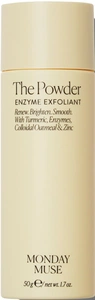
Pregnancy-safe products containing lipase
MONDAY MUSE
MONDAY MUSE The Powder
100/100
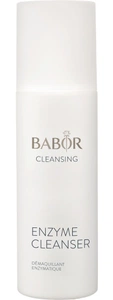
BABOR
BABOR Enzyme Cleansing
99/100
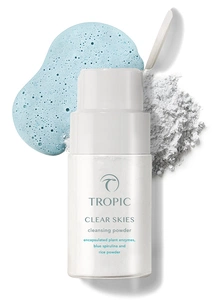
Tropic skincare
Tropic skincare Clear Skies Cleansing Powder
99/100
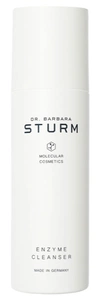
Dr. Barbara Stürm
Dr. Barbara Stürm Enzyme Cleanser
99/100
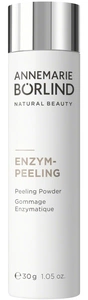
ANNEMARIE BÖRLIND
Annemarie Börlind Peeling Powder
99/100
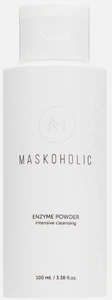
MASKOHOLIC
MASKOHOLIC Enzyme Powder
99/100
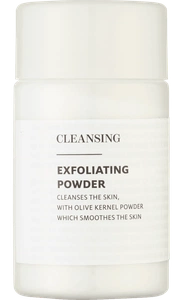
Etos
Etos Exfoliating Powder
99/100
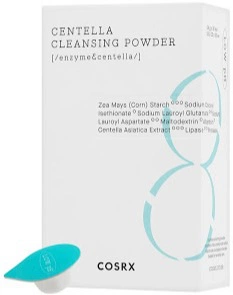
COSRX
COSRX Low Ph Centella Cleansing Powder
99/100
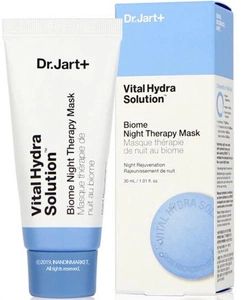
Dr. Jart+
Dr. Jart+ Vital Hydra Solution Biome Night Therapy Mask
98/100
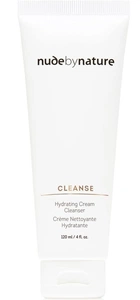
Nude by nature
Nude by nature Hydrating Cream Cleanser
98/100
Related ingredients
Ayrıca bakın
Sources & references
Authoritative references used to score this ingredient.
Frequently asked questions
- lipase hamilelikte güvenli mi?
- No harmonised CLP reproductive classifications or CIR/SCCS safety assessments identify lipase (CAS 9001-62-1) as a reproductive or teratogenic hazard; ECHA lists the substance as an enzyme registration but no H360/H361 harmonised classification is present. However, SCCS data (Vitamin A opinion) show that topical lipase can rapidly metabolise/alter retinyl palmitate and increase cutaneous bioavailability of co-applied retinoids, so the primary concern is indirect (increasing penetration of other active ingredients) rather than intrinsic reproductive toxicity. ([echa.europa.eu](https://echa.europa.eu/substance-information/-/substanceinfo/100.029.642?utm_source=openai))
- lipase emzirirken güvenli mi?
- No evidence that lipase itself causes reproductive or lactation-related toxicity or that it is a known human teratogen. Dermally applied enzyme preparations are large protein molecules with negligible systemic absorption in normal cosmetic use, so direct exposure to breastfed infants is unlikely; the main mechanism-based concern is again indirect — lipase can alter penetration/metabolism of co-formulated actives (e.g., retinoids) which are of concern in pregnancy/lactation. No data were found showing lipase partitions into breastmilk or exerts direct effects on lactation. ([echa.europa.eu](https://echa.europa.eu/substance-information/-/substanceinfo/100.029.642?utm_source=openai))
- lipase bebek cildi için güvenli mi?
- There is no evidence that lipase is a reproductive toxicant for infants. For baby (0–3 yr) skin, absorption/exposure scoring is increased by +1 per your rules because infant skin has a less mature barrier and higher surface-area-to-weight — while lipase is a large enzyme with generally low dermal absorption, infant exposure is plausibly higher than adult. The same indirect-mechanism caveat applies: lipase can metabolise or increase penetration of co-applied actives (SCCS Vitamin A data). No infant-specific toxicity data were identified. ([cirs-group.com](https://www.cirs-group.com/files/bjaxyplqmqyo/content/2022/11/c2965g2xf4zk.pdf?utm_source=openai))
- VeriMom lipase nasıl puanlıyor?
- VeriMom lipase'yi EU CosIng, ECHA sınıflandırmaları ve PubMed çalışmalarına göre 93/100 (bilinen risk yok) olarak puanlar.
- Hamilelikte lipase yerine neler kullanılabilir?
- Benzer işlevli ve bilinen riski olmayan alternatifleri içeren listemize bakın.
Kendi cilt bakım ürünlerini kontrol et
Herhangi bir ürünün içindekiler listesini ücretsiz kontrol aracımıza yapıştır ve her bileşeni AB düzenleyici verileri ve hakemli araştırmalara göre puanlanmış olarak gör.
Gebelikte güvenli içerik denetleyicisini açHer etiketi 2 saniyede kontrol et
VeriMom'u ücretsiz indirin — herhangi bir ürünü tarayın ve hamilelik güvenlik puanını anında görün.
Tıbbi Sorumluluk Reddi
Bu bilgiler yalnızca eğitim amaçlıdır ve tıbbi tavsiye niteliği taşımaz. Güvenlik puanları kamuya açık verilere dayanmaktadır ve tüm riskleri yansıtmayabilir. Hamilelik veya emzirme döneminde herhangi bir ürünü kullanmadan önce her zaman sağlık uzmanınıza danışın.