 VeriMom
distearyldimonium chloride hamilelikte güvenli mi?
Reviewed by VeriMom Editorial Team · Last reviewed
İçerikler
distearyldimonium chloride
BILINEN RISK YOK93
/100
0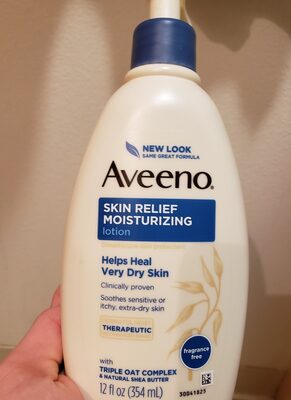

Pregnancy-safe products containing distearyldimonium chloride
Unknown
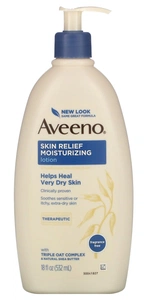
Aveeno Skin relief moisturizing lotion
98/100
Monoprix
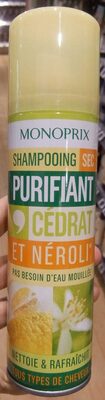
Shampoing sec
98/100
Balea
Balea Trocken Shampoo
98/100
Alama professional
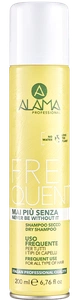
Alama Professional Frequent Dry Shampoo
98/100
Aveeno
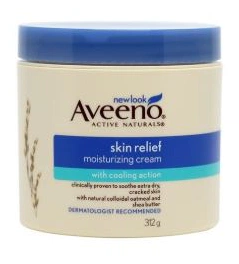
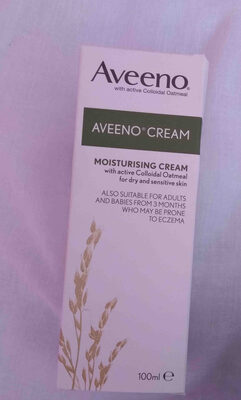
Aveeno Skin Relief Moisturizing Cream With Cooling Action
98/100
uncategorized
Unknown
johnsons
98/100
Life Brand
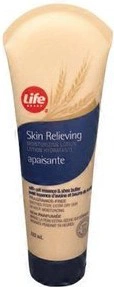
Life Brand Skin Relieving Moisturizing Lotion
98/100
Aveeno
Aveeno Skin Relief Lotion
98/100
Batiste
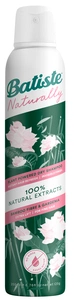
Batiste Naturally Dry Shampoo
98/100
Unknown
Aveeno
98/100
Related ingredients
Ayrıca bakın
Sources & references
Authoritative references used to score this ingredient.
Frequently asked questions
- distearyldimonium chloride hamilelikte güvenli mi?
- No harmonised reproductive classification (no H360/H361) for distearyldimonium chloride; ECHA classifications on record for this substance relate to severe eye damage (H318) and aquatic toxicity (H400, H410) rather than reproductive toxicity (ECHA Annex VI). No authoritative CIR or SCCS reproductive restriction was identified in the provided regulatory context. Dermal systemic absorption of quaternary ammonium salts is generally low, so systemic exposure from typical topical cosmetic use is expected to be low (e=1). Sources checked: ECHA Annex VI, ECHA H-codes, PubChem, CosIng, CIR, PubMed, EWG.
- distearyldimonium chloride emzirirken güvenli mi?
- No evidence or harmonised classification indicating reproductive or lactation hazards. Given low expected dermal absorption of quaternary ammonium compounds, systemic exposure and transfer into breastmilk would be low for typical topical use (e=1). No specific breastfeeding studies were identified in the provided sources.
- distearyldimonium chloride bebek cildi için güvenli mi?
- No infant-specific reproductive/toxicological classification found. However, because infant (0–3 y) skin has higher permeability and higher surface‑area‑to‑body‑weight ratio, exposure score is increased by +1 versus adult (adult e=1 → infant e=2). Additionally, the main regulatory flags for this chemical relate to eye damage and environmental toxicity rather than systemic developmental toxicity (ECHA Annex VI).
- VeriMom distearyldimonium chloride nasıl puanlıyor?
- VeriMom distearyldimonium chloride'yi EU CosIng, ECHA sınıflandırmaları ve PubMed çalışmalarına göre 93/100 (bilinen risk yok) olarak puanlar.
- Hamilelikte distearyldimonium chloride yerine neler kullanılabilir?
- Benzer işlevli ve bilinen riski olmayan alternatifleri içeren listemize bakın.
Her etiketi 2 saniyede kontrol et
VeriMom'u ücretsiz indirin — herhangi bir ürünü tarayın ve hamilelik güvenlik puanını anında görün.
Tıbbi Sorumluluk Reddi
Bu bilgiler yalnızca eğitim amaçlıdır ve tıbbi tavsiye niteliği taşımaz. Güvenlik puanları kamuya açık verilere dayanmaktadır ve tüm riskleri yansıtmayabilir. Hamilelik veya emzirme döneminde herhangi bir ürünü kullanmadan önce her zaman sağlık uzmanınıza danışın.