 VeriMom
dimethylaminoethanol tartrate hamilelikte güvenli mi?
No harmonised ECHA CLP reproductive classification (H361/H360) or SCCS/CIR safety opinion reporting reproductive hazard was identified. PubChem lists the substance and ECHA registration materials discuss systemic/toxicokinetic behaviour of DMAE (parent), and some older human supplement literature notes contraindication in pregnancy, but that is not a harmonised regulatory classification; overall there is no reliable animal or human reproductive toxicity evidence to support a reproductive hazard. Topical use has potential for low but measurable systemic absorption given the small, water‑soluble DMAE parent; therefore exposure is scored as low but measurable. (Sources: PubChem; ECHA registration dossier; EWG).
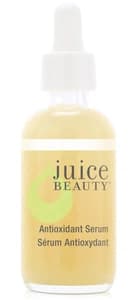
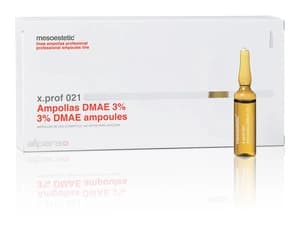
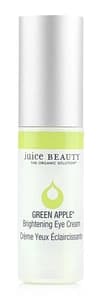
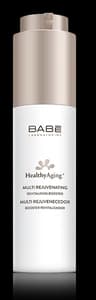
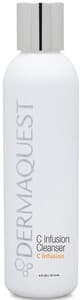
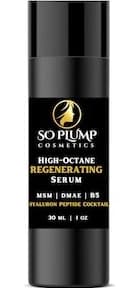
Pregnancy-safe products containing dimethylaminoethanol tartrate


Related ingredients
Frequently asked questions
- dimethylaminoethanol tartrate hamilelikte güvenli mi?
- No harmonised ECHA CLP reproductive classification (H361/H360) or SCCS/CIR safety opinion reporting reproductive hazard was identified. PubChem lists the substance and ECHA registration materials discuss systemic/toxicokinetic behaviour of DMAE (parent), and some older human supplement literature notes contraindication in pregnancy, but that is not a harmonised regulatory classification; overall there is no reliable animal or human reproductive toxicity evidence to support a reproductive hazard. Topical use has potential for low but measurable systemic absorption given the small, water‑soluble DMAE parent; therefore exposure is scored as low but measurable. (Sources: PubChem; ECHA registration dossier; EWG).
- dimethylaminoethanol tartrate emzirirken güvenli mi?
- No credible data (animal or human) showing reproductive or lactation/toxic effects specific to dimethylaminoethanol tartrate were found in authoritative cosmetic safety sources. Given the parent DMAE is systemically absorbed in some contexts, topical cosmetic use could give low but measurable maternal systemic exposure and therefore low exposure to breastmilk is plausible; no direct studies demonstrating transfer into milk were identified.
- dimethylaminoethanol tartrate bebek cildi için güvenli mi?
- No infant‑specific reproductive or developmental hazard data were identified. Because the ingredient (as DMAE salt) is small and has measurable absorption in other exposure routes, immature infant skin has higher absorption per body weight — exposure score is increased by +1 relative to adults (adult e=1 → infant e=2). No evidence was found that infant skin exposure produces developmental toxicity or local systemic harm.
- VeriMom dimethylaminoethanol tartrate nasıl puanlıyor?
- VeriMom dimethylaminoethanol tartrate'yi EU CosIng, ECHA sınıflandırmaları ve PubMed çalışmalarına göre 93/100 (bilinen risk yok) olarak puanlar.
- Hamilelikte dimethylaminoethanol tartrate yerine neler kullanılabilir?
- Benzer işlevli ve bilinen riski olmayan alternatifleri içeren listemize bakın.
Her etiketi 2 saniyede kontrol et
VeriMom'u ücretsiz indirin — herhangi bir ürünü tarayın ve hamilelik güvenlik puanını anında görün.
Tıbbi Sorumluluk Reddi
Bu bilgiler yalnızca eğitim amaçlıdır ve tıbbi tavsiye niteliği taşımaz. Güvenlik puanları kamuya açık verilere dayanmaktadır ve tüm riskleri yansıtmayabilir. Hamilelik veya emzirme döneminde herhangi bir ürünü kullanmadan önce her zaman sağlık uzmanınıza danışın.